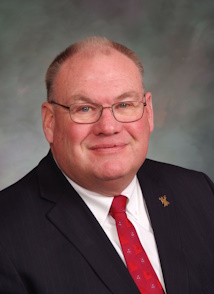
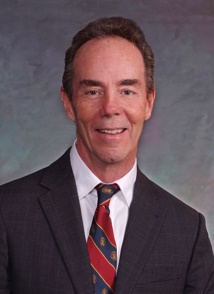
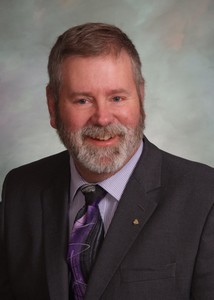
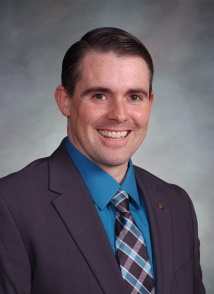
Key legislators
Who's moving education in Wyoming
Showing 21–24 of 24
bills
All education bills
Wyoming's HB 123 creates education savings accounts (ESAs) that provide state-funded support for eligible students. Eligible students (Wyoming residents not yet in kindergarten or still in K-12 public school) receive annual funds ranging from $3,000 to $6,000 based on household income relative to federal poverty levels. Parents can use these funds for qualified expenses like tuition at certified schools, tutoring, textbooks, or technology, with payments disbursed quarterly by the state superintendent. The program is administered through a dedicated state fund, requiring parent agreements and adherence to defined spending rules.
This bill requires Wyoming public school districts to provide age-appropriate, evidence-based suicide prevention education to all students. It mandates that schools use programs consistent with existing state materials and training standards outlined in related statutes. The requirement applies to all K-12 public schools and takes effect on July 1, 2026. The legislation directly affects students and school districts by establishing a new mandatory educational component focused on suicide prevention.
HB 38 increases annual pesticide registration fees for farmers and companies registering pesticides in Wyoming. The bill raises fees to $195 per product (up from $140) and specifies that $125 of each fee funds the Department of Agriculture's pesticide registration program, while $15 supports University of Wyoming's pesticide applicator certification training. These changes apply to pesticides registered or renewed on or after July 1, 2026, with the law taking effect on that date. The bill directly affects agricultural businesses handling pesticide products and ensures fees fund specific state agricultural programs.
HB 57 creates the "Hathaway private post secondary institution scholarship" to help Wyoming students attend private colleges or universities. It provides up to $500 per semester for tuition and fees at state-accredited private institutions offering certificates or degrees, with eligibility requiring a 3.5 high school GPA, standardized test scores at the 79th percentile, and meeting specific academic requirements. The program limits funding to 200 students total, covering up to eight full-time semesters per student, and requires the state education department to administer applications and verify eligibility through school transcripts. This scholarship directly affects qualifying Wyoming students seeking private post-secondary education, separate from public university funding.