Issue · Budget & Taxes

Budget & Taxes

Every budget & taxes bill, vote, and legislator stance in Wyoming, automatically classified by Maddy, our AI policy reader.

Total bills
54
119th Congress
Top supporter
Harriet M. Hageman
79% support rate
Top opponent
John Barrasso
33% support rate
Ranked legislators
3
1 support · 2 oppose
Key legislators

Who's moving budget & taxes in Wyoming

Legislators moving budget & taxes in Wyoming
Legislator Party Stance Support rate Votes
Harriet M. Hageman
Harriet M. Hageman House · District At-Large
R
Support
79% 186
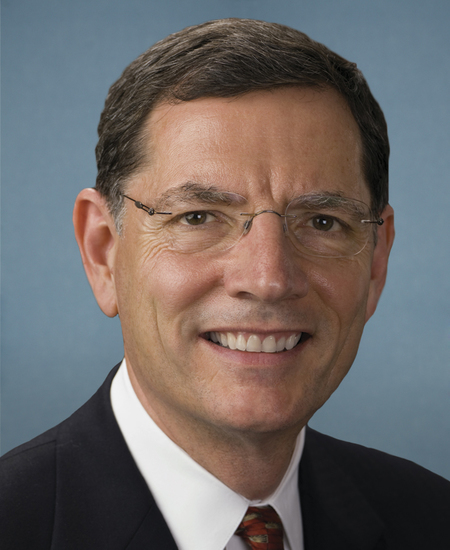
John Barrasso
John Barrasso Senate
R
Oppose
33% 274
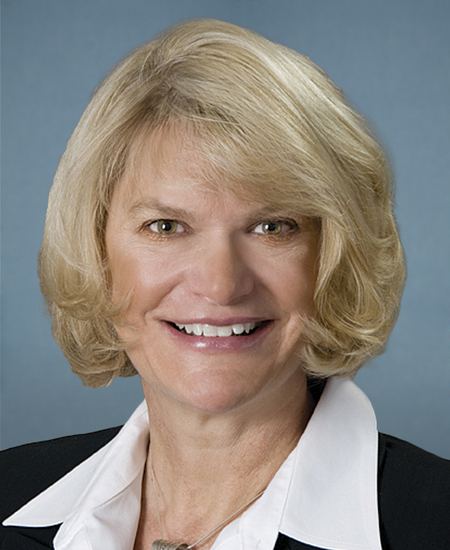
Cynthia M. Lummis
Cynthia M. Lummis Senate
R
Oppose
33% 269
Showing 1–10 of 54 bills

All budget & taxes bills

in committee · United States · Senate Jul 30, 2026

S 5204: SMART Savings Act of 2026

The SMART Savings Act of 2026 modifies federal tax rules to allow individuals to use certain retirement accounts for specific transactions without triggering penalties. It achieves this by updating the definition of a "plan" and removing specific prohibited transaction categories that previously restricted how these funds could be used. Additionally, the bill clarifies rules regarding self-dealing and defines "relationship benefits" to include reduced costs or improved services tied to account value. These changes apply to transactions occurring after the law is enacted, aiming to simplify how people manage their retirement savings while maintaining core protections against abuse.
introduced · United States · Senate Jul 14, 2026

S 4952: Protecting American Taxpayers Act

The Protecting American Taxpayers Act is a comprehensive bill designed to combat government fraud, recover misused funds, and strengthen oversight across various federal programs. It directly affects federal agencies, state governments administering public assistance, small businesses, veterans, and contractors by imposing new reporting requirements, extending statutes of limitations for fraud cases, and restricting financial assistance to entities linked to foreign agents or the Taliban. Key mechanisms include requiring child care payments to be based on recorded attendance rather than enrollment, mandating investigations into sudden spikes in health care spending, prohibiting small businesses with convicted fraudsters from receiving loans, and creating a new officer within the Department of Veterans Affairs dedicated to scam prevention. Additionally, the legislation rescinds unspent pandemic-era funds for deficit reduction, expands whistleblower protections for defense and non-defense contractors, and establishes stricter rules against transferring public assistance money abroad via remittance transfers.
in committee · United States · Senate Jun 23, 2026

S 4869: Indigenous Students Excel through Parity Act of 2026

The Indigenous Students Excel through Parity Act of 2026 directs the Secretary of the Interior to conduct two studies aimed at improving funding and staffing for Bureau-funded and tribally controlled schools. The first study will examine how to update the Indian School Equalization Formula to ensure teacher and staff salaries match the highest rates found in public schools or the Department of Defense, while also considering specific needs of small and rural schools. The second study will explore potential revenue sources to bring these schools into financial parity with other school systems. Both studies must be completed within one year of the bill's enactment, and their findings will be reported to Congress and made public.
Sub-Topics Teachers Tags Tribal Nations
in committee · United States · House Jun 24, 2026

HR 9250: Great American Outdoors Act 250

This bill redesignates the existing National Parks and Public Land Legacy Restoration Fund as the America's Legacy Restoration Fund to address deferred maintenance on federal lands. It directs revenue from recreation fees and a portion of energy development income into the fund, which must be used primarily for repairing critical infrastructure like roads, trails, and buildings managed by agencies such as the National Park Service and the Forest Service. The legislation establishes strict rules requiring that most funds go toward non-transportation projects, mandates transparency through public dashboards tracking project status, and sets aside a small percentage for matching private donations. Additionally, the bill increases entrance fees for foreign visitors to ensure they contribute to the fund, while prohibiting the use of these specific funds for land acquisition or employee bonuses.
introduced · United States · Senate Jun 1, 2026

S 4632: Prevent Government Shutdowns Act of 2026

The Prevent Government Shutdowns Act of 2026 automatically provides federal funding for government programs if Congress fails to pass a budget by the start of a new fiscal year. This mechanism supplies money for 14-day periods that can be extended as long as the shutdown continues, ensuring essential services like food assistance and loan programs keep running without interruption. To prevent political games during these shutdowns, the bill restricts official travel for government officials and limits what Congress can debate or vote on, except for passing a new budget or addressing the national debt limit.
introduced · United States · Senate Apr 27, 2026

S 4378: Protecting American Taxpayers Act

The Protecting American Taxpayers Act aims to reduce government waste and fraud by requiring stricter oversight of federal programs and extending legal deadlines for prosecuting pandemic-related violations. It mandates that child care payments be based on recorded attendance rather than enrollment alone and requires agencies to report when health care spending or provider numbers spike by more than 100 percent in specific areas. The bill also prohibits small businesses from receiving federal loans or grants if an owner or key employee has been convicted of financial misconduct, while simultaneously banning foreign entities controlled by agents from certain listed countries from receiving U.S. financial assistance. Additionally, the legislation seeks to increase transparency by requiring agencies to publicly report on improper payments and other transaction agreements, and it expands whistleblower protections for employees of defense and non-defense contractors who report waste or misconduct.
in committee · United States · Senate Mar 24, 2026

S 4173: Dollar-for-Dollar Deficit Reduction Act

This bill requires the President to propose spending cuts equal to or greater than any requested debt limit increase over the next 10 years, and it prevents Congress from voting on debt limit increases or suspensions unless they include matching spending reductions. The legislation also mandates that the Treasury Secretary issue warnings when the government is approaching its debt limit within 60 days, even if temporary measures could extend funding. Additionally, the bill establishes procedural rules requiring a three-fifths Senate vote to waive these spending requirements and ensures that cost estimates are publicly available before Congress can vote on debt limit measures. These provisions directly affect the executive branch's ability to request debt limit increases and the legislative process for approving such requests.
in committee · United States · House Jan 28, 2025

HR 810: Personalized Care Act of 2025

HR 810, the Personalized Care Act of 2025, expands Health Savings Account (HSA) eligibility and benefits. It broadens who qualifies for HSAs to include individuals covered by more health plans (like Medicaid, Medicare, TRICARE) and health care sharing ministries (section 2). The bill also increases annual HSA contribution limits (to $10,800 for individuals and $29,500 for families) and reduces penalties for non-qualified distributions (section 3, section 7). Additionally, it allows periodic fees paid to physicians for defined medical services and health care sharing ministry fees to be treated as deductible medical expenses (sections 5, 8-9). These changes apply to taxable years beginning after December 31, 2024.
in committee · United States · House Jan 14, 2025

HR 377: Regulation Reduction Act of 2025

HR 377, the Regulation Reduction Act of 2025, requires federal agencies to repeal three existing rules before issuing new ones that impose costs or responsibilities on businesses, state/local governments, or individuals. For major new rules, agencies must also certify that the new rule’s cost does not exceed the cost of the repealed rules. Agencies must publish all repealed rules in the Federal Register and submit a 90-day review to Congress identifying costly, ineffective, duplicative, or outdated regulations. This bill directly affects how federal agencies develop new rules, aiming to reduce regulatory burden by mandating rule removal before new rule creation.
Sub-Topics Procurement
passed · United States · House Jul 29, 2026

HR 7831: License to Drill Act

This bill, known as the License to Drill Act, extends the deadline for collecting fees on new oil and gas drilling permit applications from 2026 to 2037 under the Mineral Leasing Act. It requires the Secretary of the Interior to continue collecting these fees for each new permit application throughout the extended period. The bill also directs that all fees collected between fiscal years 2027 and 2037 be transferred to the BLM Permit Processing Improvement Fund instead of being distributed as previously required. These changes affect the Bureau of Land Management's administrative process for managing oil and gas leasing on federal lands.
Sub-Topics Oil & Gas Public Lands
Showing 1 to 10 of 54 bills
1 2 3 6 Next