

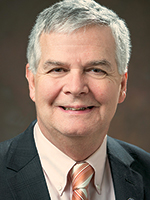
Photo of Jeff Smith
D Wisconsin Senate · District 31 On the 2026 ballot

Sen. Jeff Smith

Compare
Total votes
686
all sessions
Attendance
100%
1 missed
Near the chamber average
With party
96%
of cast votes
Near the chamber average
Bipartisan score
3%
crosses aisle rarely
Near the chamber average
Sponsored
741
bills & resolutions
Near the chamber average
Committees
5
assignments
741 bills and resolutions

Sponsored bills

Total
741
Primary
741
Co-sponsor
0
This page
741
matching current filters
Primary SB 615
Failed · Wisconsin Senate · Lead sponsor
Relating to: the University of Wisconsin Missing-in-Action Recovery and Identification Project and making an appropriation. (FE)

Maddy summarySB 615 appropriates $500,000 annually for the University of Wisconsin Missing-in-Action Recovery and Identification Project during the 2025-27 fiscal biennium. The project, managed by the University of Wisconsin System's Board of Regents, directly supports Wisconsin veterans missing in action by funding recovery and identification efforts. The bill requires the project to submit annual reports to state legislative committees, the governor, and veterans' agencies detailing mission outcomes and how funds were used. This funding provides concrete support for resolving cases of Wisconsin veterans who went missing during military service.

Failed Mar 23, 2026 0 co-sponsors
Primary SB 471
Failed · Wisconsin Senate · Lead sponsor
Relating to: unemployment insurance work search and registration and granting rule-making authority. (FE)

Maddy summarySB 471 modifies unemployment insurance rules to require claimants to conduct at least four weekly job search activities (e.g., applying for jobs, networking) to maintain benefits, with the department setting specific guidelines. It directly affects individuals receiving unemployment benefits who must verify their job search efforts. The bill grants the department rule-making authority to adjust these requirements uniformly for similar claimants and establishes a process for verifying reemployment expectations with employers (considering layoff history, recall rights, and employer statements). It also updates waiver procedures for work search requirements and clarifies that benefits may be recovered if requirements aren’t met. The changes apply to new claims filed on the bill’s effective date.

Failed Mar 23, 2026 0 co-sponsors
Primary SB 460
Failed · Wisconsin Senate · Lead sponsor
Relating to: prohibiting abusive work environments and creating a cause of action. (FE)

Maddy summarySB 460 creates a new legal claim for employees who experience an "abusive work environment" defined as repeated verbal abuse, threats, undermining work, or exploiting disabilities (excluding single severe acts). It directly affects employees harmed by such conduct and employers/co-workers who create or fail to stop it. The bill allows affected employees to sue within one year for remedies like back pay or medical expenses, while prohibiting retaliation for reporting abuse or participating in investigations. Employers must reimburse workers' compensation for awarded damages, and the law explicitly prohibits retaliating against employees who oppose abusive practices.

Failed Mar 23, 2026 0 co-sponsors
Primary SB 457
Failed · Wisconsin Senate · Lead sponsor
Relating to: the unemployment insurance waiting period.

Maddy summarySB 457 modifies Wisconsin's unemployment insurance rules by repealing outdated provisions and clarifying how ineligibility periods work for claimants who conceal work or income. It specifically ensures claimants cannot earn "waiting period credit" during ineligibility periods caused by concealment, and if no current benefit rate applies, the department must use the next benefit year's rate to calculate reductions. This directly affects individuals who previously concealed work while receiving benefits, changing how their ineligibility is calculated and their future benefit eligibility. The bill takes effect after publication, impacting future unemployment benefit claims.

Failed Mar 23, 2026 0 co-sponsors
Primary SB 462
Failed · Wisconsin Senate · Lead sponsor
Relating to: permits authorizing the employment of minors. (FE)

Maddy summarySB 462 updates the rules for permits allowing minors under 16 to work, directly affecting young workers and employers who hire them. The bill adds new exemptions to the permit requirement, including for minors working as election inspectors (as specified in state election law), in home settings, or for nonprofit organizations assisting elderly or disabled individuals. Employers must now maintain these permits on file and produce them for inspection upon request, with failure to do so being treated as evidence of unlawful employment. The bill also repeals an outdated section related to advertising for minor employment.

Failed Mar 23, 2026 0 co-sponsors
Primary SB 639
Failed · Wisconsin Senate · Lead sponsor
Relating to: veterans mental health services and making an appropriation. (FE)

Maddy summarySB 639 allocates $5 million in state funds specifically for veterans' mental health services through the Department of Veterans Affairs. It requires the department to promote veterans' access to community-based mental health care and provide grants to organizations offering these services. The bill also streamlines rulemaking by allowing the department to issue emergency rules for administering these services without usual requirements for emergency rule justification. This directly affects veterans seeking mental health support and community organizations delivering those services. The funding and program structure are established for the 2026 biennium.

Failed Mar 23, 2026 0 co-sponsors
Primary SB 579
Failed · Wisconsin Senate · Lead sponsor
Relating to: collective bargaining for employees of the University of Wisconsin System, granting rule-making authority, and making an appropriation. (FE)

Maddy summarySB 579 standardizes collective bargaining processes for employees of the University of Wisconsin (UW) System, directly affecting faculty, staff, and other workers covered by existing union contracts. The bill requires that pay increases align with approved compensation plans or collective bargaining agreements, and it establishes funding mechanisms to cover costs for grievance arbitrations and training related to bargaining disputes. Key provisions update statutes to clarify that bargaining agreements govern pay decisions and define "governmental body" to exclude bargaining committees. The bill also creates new appropriation accounts to fund administrative functions of the state's employment relations system, including mediation and arbitration services.

Failed Mar 23, 2026 0 co-sponsors
Primary SB 486
Failed · Wisconsin Senate · Lead sponsor
Relating to: various changes to the unemployment insurance and worker’s compensation laws. (FE)

Maddy summarySB 486 would revise unemployment insurance eligibility rules for workers terminated due to "misconduct" or who refuse suitable work. It defines "misconduct" more narrowly (e.g., excluding unexcused absences without prior written policy notice) and requires workers who lose benefits for misconduct to earn wages equal to 14 times their weekly benefit rate before requalifying. For refusing suitable work, it lowers the required earnings threshold from 6 times to 6 times the weekly benefit rate. These changes affect unemployed workers seeking benefits and employers responsible for paying unemployment insurance contributions.

Failed Mar 23, 2026 0 co-sponsors
Primary SB 566
Failed · Wisconsin Senate · Lead sponsor
Relating to: coverage of infertility services under health policies and plans and granting rule-making authority. (FE)

Maddy summarySB 566 requires most health insurance plans to cover infertility treatment and fertility preservation services, directly affecting individuals seeking these services and their insurers. It mandates coverage for diagnosis and treatment of infertility (defined as failure to conceive after specified timeframes) and standard fertility preservation (like egg freezing before cancer treatment), including at least four egg retrievals and unlimited embryo transfers per medical guidelines. Insurers cannot impose stricter cost-sharing or exclusions for infertility care compared to other pregnancy-related benefits. The bill applies to group health plans and self-insured plans, excluding certain disability policies and state/local self-insured plans.

Failed Mar 23, 2026 0 co-sponsors
Primary SB 643
Failed · Wisconsin Senate · Lead sponsor
Relating to: an audit of fire sprinkler systems in certain residential buildings and making an appropriation. (FE)

Maddy summarySB 643 requires the Department of Safety and Professional Services to audit fire sprinkler systems in specific residential buildings - defined as apartment buildings, rowhouses, townhouses, or condos with 8+ attached units and at least 2 stories above ground (excluding some licensed facilities). The audit must determine if automatic sprinklers are installed, with a report due to the governor and legislature by September 30, 2026. The bill appropriates $75,000 for fiscal years 2025-26 and 2026-27 to fund two staff positions dedicated to conducting this audit. This affects building owners/managers of the specified properties by triggering a state review of existing fire safety systems.

Failed Mar 23, 2026 0 co-sponsors
Showing 221 to 230 of 741 bills
Previous 1 … 22 23 24 … 75 Next