

Maddy summaryThis bill would remove a state law that currently prevents local governments from creating or enforcing eviction moratoriums, which are rules that temporarily stop landlords from evicting tenants. By repealing the existing prohibition, the legislation would allow cities and counties to establish their own eviction pause policies if they choose to do so. The change directly affects local governments, landlords, and tenants by potentially opening the door for neighborhood-level eviction protections. The bill is currently in the early stages of review and has not yet been passed into law.
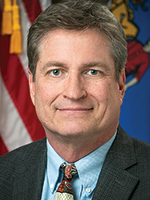
Sen. Tim Carpenter
Sponsored bills
Maddy summarySB 1045 legalizes recreational cannabis possession for adults, establishes a new Division of Cannabis Regulation within the Department of Agriculture, and creates a Cannabis Conviction Review Unit to expunge or adjust past marijuana-related convictions. It allocates $30 million annually for cannabis regulation operations, funds a medical cannabis registry program with $5 million per year, and creates new tax revenue streams for enforcement and research. The bill repeals outdated marijuana laws, regulates cannabis production and sales through licensing, and sets up a system for individuals to seek conviction expungement. These changes directly affect all Wisconsin residents, particularly those with prior cannabis convictions, and establish a comprehensive regulatory framework for the state's cannabis industry.
Maddy summaryThis bill is a joint resolution that formally honors the life and public service of Rev. Jesse L. Jackson, a civil rights activist and politician who passed away in February 2026. The resolution recognizes his contributions to the American civil rights movement, his founding of Operation PUSH, his political campaigns, and his advocacy for racial equity and social justice. It also acknowledges his connections to Wisconsin, including his visits to lead prayers in the state assembly. The bill expresses the legislature's condolences to Jackson's family and community while commemorating his legacy of pursuing freedom and justice.
Maddy summaryThis bill proposes constitutional changes to establish direct democracy tools for voters, allowing them to reject laws passed by the legislature and propose new laws or amendments independently. Under the referendum provision, citizens could gather signatures equal to at least 4% of the last gubernatorial vote to place existing legislation on the ballot for public rejection. The initiative provision would let citizens propose new laws or constitutional amendments by collecting signatures ranging from 6% for laws to 8% for amendments, with strict rules requiring single-subject proposals and paper-based signature collection. Once approved, initiative laws would take effect 30 days after certification and could only be repealed by a two-thirds legislative vote or another initiative, while rejected initiatives could not be resubmitted for five years. The bill also prohibits payment based on the number of signatures collected for these petitions, though it allows compensation for signature gathering work itself.
Maddy summaryThis bill establishes a state premium assistance tax credit for Wisconsin residents who pay monthly premiums for qualified health plans during the 2026 tax year. The credit allows eligible individuals to claim a refund equal to the federal premium assistance amount they would have qualified for between 2021 and 2025, but only if they are not already eligible for similar federal tax credits. The legislation applies only to full-year residents who file claims within the standard tax filing deadline and requires state funding to cover any credit amounts exceeding the taxpayer's tax liability.
Maddy summaryThis bill modifies rules for how electric utilities can retire old facilities and use special environmental trust bonds to pay for those costs. It requires the state Public Service Commission to approve the use of environmental trust bonds for retiring facilities only if the facility hasn't fully recovered its value and the commission finds it serves the public interest. The bill also adds a requirement that new electric facilities primarily serving very large customers (those with at least 75 megawatts of power) must obtain financing approval for any unrecovered value if the facility is retired before full value recovery. Additionally, it clarifies that the commission cannot deny cost recovery for environmental control activities just because environmental trust financing might be available.
Maddy summaryThis bill proposes stricter penalties for repeat drunk driving offenses by increasing license revocation periods and fines for individuals with two or more qualifying convictions within a 10-year window. It directly affects drivers convicted of operating a motor vehicle while intoxicated, particularly those with prior convictions, suspensions, or revocations that count toward the two-conviction threshold. The legislation establishes specific revocation durations ranging from one to two years, allows for occupational licenses after a waiting period if the driver completes required assessments and safety plans, and sets minimum fines between $350 and $1,100 with mandatory jail time of at least five days. Additionally, the bill includes provisions for tribal court revocations to align with state penalties and outlines conditions under which reduced jail sentences may apply if probation with treatment is successfully completed.
Maddy summaryThis bill establishes a state minimum wage of $15 per hour while allowing local governments to enact their own minimum wage ordinances. It creates a system where the state department of labor can set lower wages for specific groups like agricultural workers, camp counselors, and students, and can exempt certain casual employment arrangements. The minimum wage will automatically adjust annually based on changes in the consumer price index, unless inflation shows no increase. The legislation also prohibits the state from setting different minimum wages for men and women.
Maddy summaryThis bill proposes changes to how Wisconsin calculates and distributes state funding for special education and related school programs. It would adjust the reimbursement rate for special education costs to distribute the full appropriated amount, capping reimbursement at 60 percent of eligible costs, and modifies how certain special education funds are excluded from per-pupil payment calculations. The legislation also increases the general school aid appropriation by approximately $446 million for the 2026-27 fiscal year. These changes would affect the Wisconsin Department of Public Instruction and school districts receiving state education funding. The bill was introduced in March 2026 but failed to pass the Senate.
Maddy summaryThis bill requires prescription drug manufacturers to report price increases and new drug introductions to the state health department and insurance office, affecting companies that sell brand-name or generic drugs in the state. Manufacturers must notify regulators at least 30 days before raising prices by more than 25 percent over two years or introducing high-cost drugs, providing justification including cost-effectiveness data and comparisons to similar medications. The bill also mandates annual reports on manufacturer-sponsored patient assistance programs and requires posting of pricing documentation online with public hearings to review trends. Failure to submit required notices or reports can result in daily penalties of up to $10,000. The legislation authorizes funding for two additional state staff positions to administer these reporting requirements.