

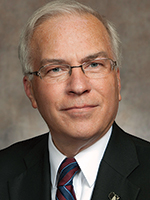
Photo of Steve Nass
R Wisconsin Senate · District 11

Sen. Steve Nass

Compare
Total votes
695
all sessions
Attendance
100%
of floor votes
Near the chamber average
With party
88%
of cast votes
Lower than 97% of chamber peers
Bipartisan score
7%
crosses aisle rarely
Higher than 93% of chamber peers
Sponsored
592
bills & resolutions
Near the chamber average
Committees
5
assignments
592 bills and resolutions

Sponsored bills

Total
592
Primary
592
Co-sponsor
0
This page
592
matching current filters
Primary SB 82
Failed · Wisconsin Senate · Lead sponsor
Relating to: governmental restrictions based on the energy source of a motor vehicle or other device.

Maddy summarySB 82 prohibits state and local governments from restricting the use or sale of motor vehicles based on their energy source (like gasoline, electric, or hydrogen power). It also bans similar restrictions on other devices that rely on specific energy sources for key functions. The law applies broadly to all government agencies and units, preventing them from enacting policies that target vehicles or devices solely by their power source. The only exception allows governments to maintain their own vehicle purchase policies for their own fleets.

Failed Mar 23, 2026 0 co-sponsors
Primary SB 236
Failed · Wisconsin Senate · Lead sponsor
Relating to: tampering with telecommunication or electric wires and providing a penalty.

Maddy summarySB 236 is a technical amendment to update the bill's language from "broadband service" to "wireless service" in multiple sections. It does not create new penalties or change existing legal requirements for tampering with telecommunication or electric wires. The bill directly affects how the law references service types in its text, aligning terminology with modern technology. This is a procedural correction with no substantive policy impact, as the bill only adjusts wording in existing legal references. The measure was reported out of committee unanimously but was later laid on the table without further action.

Failed Mar 23, 2026 0 co-sponsors
Primary SB 64
Failed · Wisconsin Senate · Lead sponsor
Relating to: injuring or killing a police or fire animal and providing a penalty.

Maddy summarySB 64 increases penalties for harming police or fire department animals used in official duties. It creates three escalating offenses: intentional injury causing harm is a Class A misdemeanor, intentional injury causing death is a Class H G felony, and intentional injury causing death is a Class I H felony. The law specifically targets individuals who knowingly harm working animals (like police dogs or fire department horses) while aware of their official role. This directly affects anyone who intentionally harms these animals during their service, with penalties based on the severity of the outcome (injury or death). The bill does not cover accidental harm or animals not performing official duties.

Failed Mar 23, 2026 0 co-sponsors
Primary SB 93
Failed · Wisconsin Senate · Lead sponsor
Relating to: recommendation to revoke extended supervision, parole, or probation if a person is charged with a crime. (FE)

Maddy summarySB 93 requires state departments to recommend revoking extended supervision, parole, or probation when a person under those programs is charged with a crime. It directly affects individuals supervised by the department after release from incarceration. The bill mandates this recommendation as a standard step in the process, without altering the existing revocation procedures or hearing requirements. The change applies to criminal charges filed on or after the bill's effective date.

Failed Mar 23, 2026 0 co-sponsors
Primary SB 166
Failed · Wisconsin Senate · Lead sponsor
Relating to: consumer data protection and providing a penalty. (FE)

Maddy summarySB 166 creates a new legal framework for consumer data protection by defining key terms like "personal data," "consent," "biometric data," and "dark patterns" in Wisconsin law. It directly affects businesses that collect personal data from Wisconsin residents (defined as individuals acting in personal, not commercial, contexts) by establishing standards for how they must handle such data. The bill’s key mechanism is setting clear definitions - such as requiring explicit consent for data processing, banning "dark patterns" that trick users, and excluding deidentified data or public records from coverage - to enable future enforcement. It does not yet impose new restrictions or penalties but provides the foundational definitions needed for implementing data protection rules.

Failed Mar 23, 2026 0 co-sponsors
Primary SB 304
Failed · Wisconsin Senate · Lead sponsor
Relating to: hours for voting by absentee ballot in person at the office of the municipal clerk or an alternate site. (FE)

Maddy summarySB 304 requires municipal clerk offices and designated alternate sites to be open for at least 20 total hours during in-person absentee ballot application periods. It updates deadlines: voters applying in person must do so between 14 days before an election and the Sunday before, with specific hours published in election notices. Military voters and sequestered jurors may apply until 5 p.m. on election day, while other voters must apply by 5 p.m. on the Friday before. The bill standardizes notice requirements and access hours for absentee ballot applications.

Failed Mar 23, 2026 0 co-sponsors
Primary SB 359
Failed · Wisconsin Senate · Lead sponsor
Relating to: the minimum age of assistant child care teachers.

Maddy summarySB 359 sets a minimum age of 16 for assistant child care teachers in licensed Wisconsin child care centers. It requires these assistants to complete specific early childhood education training (such as two credits, a non-credit course, or an approved program) within six months of starting their role. The bill also allows trained assistants aged 18 or older to provide limited sole supervision during specific times - like opening/closing hours or naptime in full-day centers, or short periods in school-age programs - when a lead teacher is present. This directly affects child care centers hiring assistants and ensures they meet defined training standards.

Failed Mar 23, 2026 0 co-sponsors
Primary SB 364
Failed · Wisconsin Senate · Lead sponsor
Relating to: the regulation of family and group child care centers. (FE)

Maddy summarySB 364 updates Wisconsin's regulations for family and group child care centers. It increases the maximum number of children allowed in a family child care center from 8 to 12 and adjusts licensing fees to be paid every two years, with fees based on the number of children served (e.g., $60.50 biennially for centers serving 4-12 children). The bill also requires child care centers to provide staff training on preventing sudden infant death syndrome for infants under one year and mandates foster parents to complete approved training on caring for foster children. These changes directly affect licensed child care centers, foster parents, and kinship care providers by updating licensing rules, fee structures, and mandatory training requirements.

Failed Mar 23, 2026 0 co-sponsors
Primary SB 94
Passed · Wisconsin Senate · Lead sponsor
Relating to: civil action for injury or damages resulting from riot or vandalism, participation in a riot, prohibiting certain limitations or restrictions on law enforcement responses to riot or vandalism activity, and providing a penalty.

Maddy summarySB 94 creates a new civil cause of action for people injured or whose property was damaged during riots or vandalism. It allows victims to sue not only the person who committed the violent act but also anyone who provided "material support" (like weapons, funds, or equipment) with the intent to help commit the offense. The bill establishes a legal presumption that property damage was a natural consequence of the riot/vandalism, making it easier for victims to recover repair costs and other damages. It also prohibits government officials from restricting law enforcement’s authority to arrest participants or quell such activities. This directly affects victims, perpetrators, material supporters, and law enforcement agencies across the state.

Passed Mar 23, 2026 0 co-sponsors
Primary SB 41
Passed · Wisconsin Senate · Lead sponsor
Relating to: school safety grants and making an appropriation. (FE)

Maddy summarySB 41 establishes a program to administer school safety grants but removes the original appropriation language, meaning it does not allocate new state funds. The bill specifies how existing or future grant funds would be distributed to schools for safety improvements, such as security systems or emergency protocols. It passed the Senate 18-14 on June 18, 2025, and was referred to the Rules committee for further consideration. This procedural bill focuses on grant administration rules rather than creating new funding.

Passed Mar 23, 2026 0 co-sponsors
Showing 91 to 100 of 592 bills
Previous 1 … 9 10 11 … 60 Next