

Maddy summaryAB 349 would allow certified child care operators to provide care for up to six children, changing the current capacity limit for licensed providers. This directly affects licensed child care facilities operating under state certification. The bill amends regulatory standards to establish six as the new maximum number of children per certified operator. It applies specifically to certified settings and does not alter requirements for unlicensed care.
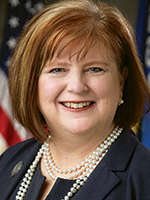
Rep. Barbara Dittrich
Sponsored bills
Maddy summaryAB 370 creates standardized crime victim notification cards to help victims stay informed about court proceedings involving offenders. The bill directs the Director of State Courts to design these free cards, which victims can fill out with their contact information and details about the inmate or probationer. County courts and victim-witness offices must provide the cards to victims, who can then send completed cards to the relevant court to receive updates. The bill also protects victims' mailing addresses in court records from public inspection under state law.
Maddy summaryAB 258 modifies Wisconsin's license restrictions for drivers required to use ignition interlock devices after DUI convictions. It extends license revocation periods by 180 days for specific violations detected by the device, including three or more violations within 60 days, tampering, or unauthorized removal. The bill also creates a process for drivers to dispute violations using documentation (e.g., device malfunctions) and requires electronic reporting from interlock providers to the department. This directly affects individuals subject to ignition interlock orders under existing DUI-related license restrictions.
Maddy summaryAB 141 creates a temporary "provisional" pathway for social work licensure in Wisconsin, directly affecting individuals who have taken but not passed the required national social work exam. It allows these applicants to obtain a provisional certificate or license (valid for 36 months) while completing supervised practice, requiring 37.5 hours of supervision (including 25 hours of in-person one-on-one) over their first 2,000 hours of practice. The bill specifies that provisional credentials cannot be renewed and transition to full certification only after verified completion of supervised practice and meeting other requirements under Section 457.08(6). This change streamlines the process for entry-level social workers to gain practical experience while working toward full licensure.
Maddy summaryAB 218 limits foreign ownership of agricultural land in the state to 50 acres (down from 640 acres), affecting foreign corporations, LLCs, partnerships, and trusts with over 25% foreign ownership. It also prohibits foreign entities from owning real property within 10 miles of military installations, with limited exceptions for inheritances, treaty rights, or debt collection. The bill requires entities exceeding these limits to divest or forfeit land within 3 years, and mandates reporting for exceptions. These changes apply to land acquired after the bill’s effective date, not retroactively.
Maddy summaryAB 382 requires health care providers to provide the same medical care to a child born alive during or after an abortion or attempted abortion as they would to any other newborn at that gestational age, including immediate hospital transport. It mandates reporting failures to comply with these requirements to law enforcement and imposes a Class H felony penalty for violations (excluding prosecution of the mother). The bill also allows affected individuals to sue for civil damages equal to three times the abortion cost plus emotional distress, while guaranteeing confidentiality for the woman involved and prohibiting contracts from being used as a defense in such lawsuits. This legislation directly affects abortion providers and hospitals performing such procedures, focusing on post-procedure medical obligations rather than restricting abortion access.
Maddy summaryAB 400 proposes creating a new civil lawsuit option for minors under 18 who suffer injury during gender transition medical procedures. It directly affects minors receiving such care and the healthcare providers performing them. The bill establishes a legal cause of action allowing affected minors to seek compensation through civil court for injuries linked to these procedures. This is a substantive policy change focused on legal recourse, not on restricting medical care. The bill is currently in the Judiciary Committee for review after its August 2025 introduction.
Maddy summaryAB 391 modifies the formula used to calculate per-pupil funding adjustments for Wisconsin school districts within state revenue limits. It directly affects all public school districts by changing how their allowable budgets are determined based on student enrollment. The bill would adjust the calculation method for the "per pupil adjustment" component, impacting district funding levels. Currently pending in the Education Committee after introduction and receipt of a fiscal estimate.
Maddy summaryAB 304 provides $1 million in state funding to Lutheran Social Services of Wisconsin and Upper Michigan for renovating an existing facility in Chippewa Falls to create a 50-bed treatment center specifically for men with substance use disorders. The grant will cover costs for purchasing and remodeling the Libertas Treatment Center to provide recovery services. This bill directly affects men in Chippewa Falls seeking treatment for substance use disorders and the organization operating the facility. The legislation authorizes the Department of Administration to disburse the funds in the 2025-26 fiscal year.
Maddy summaryAB 413 would exempt certain farm owners from needing a campground license when operating small campgrounds on their own agricultural property. Specifically, it applies to farms that use existing agricultural land for limited overnight stays, such as for farm tours or agritourism activities. The key provision removes the requirement for these qualifying farm-based campgrounds to obtain a separate state campground license. This change directly affects small farm operators who currently face licensing costs and administrative hurdles for simple, on-farm camping services.