

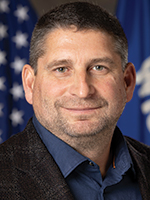
Photo of Jim Piwowarczyk
R Wisconsin Assembly · District 98 On the 2026 ballot

Rep. Jim Piwowarczyk

Compare
Total votes
243
all sessions
Attendance
99%
2 missed
Near the chamber average
With party
100%
of cast votes
Near the chamber average
Bipartisan score
0%
crosses aisle rarely
Near the chamber average
Sponsored
241
bills & resolutions
Near the chamber average
Committees
7
assignments
241 bills and resolutions

Sponsored bills

Total
241
Primary
241
Co-sponsor
0
This page
241
matching current filters
Primary AB 268
Failed · Wisconsin Assembly · Lead sponsor
Relating to: the right of appeal for complainants aggrieved by decisions of the Elections Commission concerning the conduct of election officials.

Maddy summaryAB 268 allows individuals who filed complaints about election officials' conduct (complainants) to appeal decisions by the Elections Commission to local court. The bill lets complainants appeal within 30 days - regardless of whether they suffered actual harm - to the circuit court in the county where the election official works or the complainant lives. It specifically clarifies that complainants can appeal if their complaint is dismissed or they don’t get the requested relief. The bill does not pause the Commission’s original decision during the appeal unless a court orders it. This bill was recommended for passage in October 2025 but was later laid on the table and did not advance further.

Failed Mar 23, 2026 0 co-sponsors
Primary AB 296
Failed · Wisconsin Assembly · Lead sponsor
Relating to: eliminating the 13-week limit on the garnishment of earnings of certain debtors.

Maddy summaryAB 296 removes a 13-week waiting period that previously required employers (garnishees) to verify if they would owe wages within 13 weeks before processing wage garnishments. It directly affects debtors with ongoing wage garnishment orders and the employers handling those garnishments. The bill eliminates this waiting period, allowing garnishments to begin immediately upon employer notification. It also maintains existing priority rules, ensuring child support and restitution garnishments take precedence over other wage garnishments, with specific limits on the percentage of disposable earnings that can be garnished.

Failed Mar 23, 2026 0 co-sponsors
Primary AB 525
Failed · Wisconsin Assembly · Lead sponsor
Relating to: repeal of obsolete tax credits and tax provisions. (FE)

Maddy summaryAB 525 repeals 138 outdated tax credit and tax provision sections in the state's tax code. This directly affects taxpayers and state tax administrators by removing obsolete rules that no longer serve their intended purpose. The bill targets specific sections, such as expired credits and redundant requirements, without creating new tax policies. This action simplifies the tax code by eliminating provisions that have been deemed obsolete.

Failed Mar 23, 2026 0 co-sponsors
Primary AB 315
Passed · Wisconsin Assembly · Lead sponsor
Relating to: the Warren Knowles-Gaylord Nelson stewardship 2000 program and a major land acquisitions program. (FE)

Maddy summaryAB 315 modifies grant rules for Wisconsin's Warren Knowles-Gaylord Nelson stewardship program and land conservation efforts. It creates new provisions requiring governmental units and nonprofits to apply for funding *before* purchasing land to qualify for up to 50% of acquisition costs (reduced to 40% if applying after purchase). The bill maintains a 30% cap on additional costs covered by grants or in-kind contributions. These changes directly affect local governments and conservation groups seeking state funds to acquire land for parks, recreation, or conservation. The bill does not create new funding but adjusts eligibility and percentage limits for existing programs.

Passed Mar 23, 2026 0 co-sponsors
Primary AB 197
Failed · Wisconsin Assembly · Lead sponsor
Relating to: a levy limit exemption for regional emergency medical systems and eligibility for the expenditure restraint incentive program. (FE)

Maddy summaryAB 197 creates a new exemption allowing local governments (like counties or municipalities) to count certain regional emergency medical services costs toward their budget limits without triggering spending restrictions. To qualify, the service must cover at least 232 square miles or include 8 municipalities, and annual cost increases must stay below the inflation rate plus 5%. The exemption requires confirmation of a regional service area and a designated coordination entity for EMS across the area. This specifically affects jurisdictions operating joint emergency medical services districts or intergovernmental agreements for EMS, including fire department-provided services.

Failed Mar 23, 2026 0 co-sponsors
Primary AB 156
Passed · Wisconsin Assembly · Lead sponsor
Relating to: requiring child sexual abuse prevention education. (FE)

Maddy summaryAB 156 requires public school districts in the 2026-27 school year to provide age-appropriate child sexual abuse prevention education to all students from 4-year-old kindergarten through 12th grade. The curriculum must include specific topics like correct body part names, setting personal boundaries, identifying safe adults, distinguishing safe/unsafe touch, and reporting abuse, using research-based methods. Schools must notify parents about the program schedule and content annually, and parents can opt their child out with a written request. This law directly affects all K-12 students and their families in public schools across the state.

Passed Mar 23, 2026 0 co-sponsors
Primary AB 671
Failed · Wisconsin Assembly · Lead sponsor
Relating to: a study of redundancies in legal requirements for new housing construction. (FE)

Maddy summaryAB 671 mandates the Department of Administration to study redundant federal, state, and local requirements for constructing new housing (including single-family, duplex, and multifamily units). The study must identify overlapping or unnecessary rules and submit a report with legislative recommendations within one year of the bill's effective date. This bill does not create new laws but directs a formal review to potentially streamline housing construction regulations. It directly affects future legislative decisions on housing policy, not current construction practices.

Failed Mar 23, 2026 0 co-sponsors
Primary AB 426
Passed · Wisconsin Assembly · Lead sponsor
Relating to: election observers and providing a penalty.

Maddy summaryAB 426 establishes clear rules for election observer access during voting and recounts. It requires election officials to designate observation areas 3-8 feet from voting tables and ensures all observers (like candidates' representatives) have uniform, nondiscriminatory access to every election stage, including absentee voting, ballot counting, and recounts. Officials who violate these rules face penalties of up to $1,000 or 90 days in jail. The bill directly affects election clerks, inspectors, and canvassers who must implement these procedures.

Passed Mar 23, 2026 0 co-sponsors
Primary AB 312
Passed · Wisconsin Assembly · Lead sponsor
Relating to: hours for voting by absentee ballot in person at the office of the municipal clerk or an alternate site. (FE)

Maddy summaryAB 312 sets standardized operating hours for in-person absentee ballot voting at local election offices (municipal clerks) and approved alternate sites. It directly affects voters who cast absentee ballots in person and local election officials managing these locations. The bill establishes specific, consistent hours for these locations to ensure accessible voting access, replacing variable or inconsistent schedules previously set by individual jurisdictions. This is a procedural change to improve clarity and convenience for voters using in-person absentee voting.

Passed Mar 23, 2026 0 co-sponsors
Primary AB 394
Failed · Wisconsin Assembly · Lead sponsor
Relating to: driver education instruction related to school bus safety.

Maddy summaryAB 394 requires all California public school driver education programs to include specific instruction on school bus safety. This directly affects students enrolled in driver education courses, ensuring they learn about bus stopping procedures and blind spots. The bill mandates that curricula cover how to safely approach stopped school buses and recognize hazards around them. These changes aim to improve student awareness and safety when near school buses.

Failed Mar 23, 2026 0 co-sponsors
Showing 191 to 200 of 241 bills
Previous 1 … 19 20 21 … 25 Next