

Maddy summaryAB 465 revises state law to require permits for most employment of minors under 16 years old, with specific exemptions for home-based work not tied to the employer's business, nonprofit work for elderly or disabled individuals (e.g., snow shoveling), and election inspector roles. Employers must obtain and maintain these permits, and failure to produce them during inspections is considered evidence of unlawful employment. The bill also prohibits advertising for minor employment during school hours without stating the required minimum age and bans soliciting minors to leave school for work. Additionally, it removes an exception allowing minors to work during school hours with a permit, making such employment illegal.
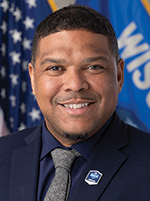
Rep. Amaad Rivera-Wagner
Sponsored bills
Maddy summaryAB 467 modifies unemployment insurance requirements for claimants. It mandates that individuals seeking benefits must complete at least four documented work search activities weekly (with the department able to set higher standards via rules), unless they have a verified expectation of reemployment with their former employer. The bill also establishes a process for the department to waive work search requirements through rulemaking and requires employers to verify reemployment prospects for exemptions. This directly affects unemployed workers filing for state unemployment benefits in Wisconsin.
Maddy summaryAB 468 modifies unemployment insurance eligibility rules for workers terminated due to misconduct. It creates a new definition of "misconduct" that includes deliberate violations of workplace policies, excessive absenteeism without valid reasons, and willful violations of government regulations. The bill requires workers terminated for misconduct to wait 7 weeks and earn wages equal to 14 times their weekly benefit rate before requalifying for benefits. These changes directly affect workers who lose jobs for specific workplace conduct and employers who pay into unemployment insurance funds.
Maddy summaryAB 593 amends Wisconsin statutes to clarify and strengthen collective bargaining processes for University of Wisconsin System employees covered by union contracts. It requires pay increases to align with existing compensation plans or collective bargaining agreements, prohibits closed-session negotiations for finalizing agreements, and updates funding mechanisms for grievance arbitrations and training. The bill directly affects UW System employees in unionized positions and their bargaining representatives. Key provisions include revised rules for pay adjustments, transparency in negotiation procedures, and specific appropriations for dispute resolution services under existing labor laws.
Maddy summaryAB 641 creates a dedicated $500,000 annual appropriation for the University of Wisconsin Missing-in-Action (MIA) Recovery and Identification Project within the 2025-27 fiscal biennium. The bill directly affects Wisconsin veterans missing in action by funding their recovery and identification efforts through the University of Wisconsin System. It requires the UW Board of Regents to allocate funds annually for this mission and mandates a detailed report on findings and spending to state legislative committees, the governor, and veterans agencies. The legislation establishes a continuing funding mechanism without altering existing veterans' benefits or services.
Maddy summaryAJR 108 proposes adding a constitutional amendment to guarantee equality of rights under state law, prohibiting discrimination by state or local government based on characteristics like sex, gender identity, race, disability, religion, or other immutable traits. It would create a new right for individuals to directly sue the state or local government in court if their rights under this amendment are violated. This amendment, if approved, would establish a constitutional standard for equality and provide a legal path for people to seek remedies when state actors deny them equal treatment.
Maddy summaryAB 437 requires large retailers (those with over $3 million in annual consumer goods sales) to include the total tariff cost on every sales invoice or receipt. This means customers will see the exact amount of tariffs or import taxes added to their purchase price at checkout. The law applies to both paper and electronic documents and affects only businesses meeting the sales threshold. It mandates clear disclosure without changing current tariff rates or policies.
Maddy summaryAJR 107 is a symbolic joint resolution designating November 2025 as "Veteran Mental Health and Suicide Awareness Month" in Wisconsin. It directly affects Wisconsin veterans by raising public awareness of their elevated mental health challenges and suicide rates, citing that 134 veterans died by suicide in Wisconsin in 2023 (15% of all adult suicides despite veterans comprising only 5% of the adult population). The resolution does not create new programs or funding but aims to highlight existing resources like the Wisconsin Veterans Crisis Line and honor veterans' service. It was introduced by multiple legislators and cosponsored by numerous senators, reflecting legislative recognition of veteran mental health as a priority.
Maddy summaryAB 290 creates a special vehicle registration plate titled "Protect Pollinators" with a voluntary $25 annual or $50 biennial fee for vehicle owners who choose it. All fees collected beyond $23,700 (or production costs, whichever is less) are deposited into the conservation fund to support pollinator protection programs. The plate must display "Protect Pollinators" and cover the entire plate, as specified in the bill. This directly affects Wisconsin vehicle owners who select this plate option, directing funds toward conservation efforts.
Maddy summaryAB 505 creates a state program to help veterinarians in rural counties repay student loans. It provides grants covering up to $100,000 over four years (max $25,000 annually) for vets working full-time in rural areas who provide at least 25% of their care to farm animals. The grants are specifically for repaying debts from veterinary school and are exempt from state income tax. This directly affects veterinarians in qualifying rural counties who meet the employment and farm animal care requirements. The program begins for 2025 veterinary graduates.