

Maddy summaryAB 198 creates two key programs: (1) grants for technical colleges offering emergency medical services (EMS) training, provided they don't give admission priority based on residency; and (2) a reimbursement program for individuals or their employers who paid tuition/materials for initial EMS certification/licensure as an emergency medical responder or practitioner. Eligible applicants must complete required courses, pass exams, and obtain their license/certification through the Department of Health Services. The bill also establishes a "live 911" pilot program allowing grants for real-time video communication during emergency calls, requiring a performance report by October 2027. This directly affects EMS students, practitioners, their employers, and public safety answering points.
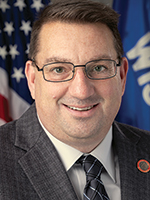
Rep. Dave Maxey
Sponsored bills
Maddy summaryAB 77 prohibits the use of devices designed to conceal, alter, or obstruct license plates on vehicles. It defines such devices as any manual, electronic, or mechanical tool that switches plates, moves them, or makes registration numbers unreadable. The bill bans possessing, selling, installing, or using these devices, and allows police to impound vehicles equipped with them (with costs paid by the owner). Violators face fines up to $1,000 or 90 days in jail. This directly affects vehicle owners who might use such devices to obscure license plates.
Maddy summaryAB 353 requires hospitals to provide clear, upfront pricing for services and restricts certain aggressive debt collection tactics against patients. It directly affects hospitals by mandating transparent cost disclosures and patients by limiting how debt collectors can pursue unpaid medical bills. Key provisions include requiring hospitals to publish standard charges and prohibiting collectors from garnishing wages or threatening lawsuits for small amounts. The bill also establishes penalties for violations of these transparency and debt collection rules. This legislation aims to make healthcare costs more understandable and protect patients from excessive collection practices.
Maddy summaryAB 199 changes reimbursement rates for ambulance services under Wisconsin's Medical Assistance program (state Medicaid) when patients are not transported to a facility. Starting January 1, 2027, the state will increase payments for "ambulance response and treatment, no transport" (code A0998) to match the rate for transport services (code A0429), directly benefiting ambulance providers. The bill also requires the Department of Health Services to annually report by September 15 on how national changes to emergency medical responder scope of practice may affect training in Wisconsin. These provisions specifically impact ambulance service providers, state health officials, and the Medical Assistance program.
Maddy summaryAB 309 creates legal immunity for Wisconsin 911 call centers and dispatchers who transfer callers to the national 988 Suicide and Crisis Lifeline (or its successor number). The bill shields these entities from civil lawsuits related to outcomes of such transfers, unless the injury resulted from the dispatcher's gross negligence or willful misconduct. This directly affects public safety answering points statewide by reducing liability risks when connecting individuals in crisis to the 988 service. The law defines "national crisis hotline" as 988 or its successor under federal program 42 USC 290bb-36c.
Maddy summaryAB 561 allows school buses to install and monitor cameras to record vehicles illegally passing them, and permits school bus operators or third-party vendors to submit photo or video evidence of these violations to local traffic authorities. Traffic officers can then issue citations based on this evidence, imposing fines of $30 to $500 on the vehicle owner. The bill specifies that these fines do not result in license suspension or demerit points. This law directly affects drivers who illegally pass school buses and the school bus operators or vendors reporting violations.
Maddy summaryAB 486 limits how Wisconsin public colleges and technical schools can reduce their own gift aid (like institutional scholarships) when students receive small private scholarships ($5,000 or less from Wisconsin-based groups). Schools must first attempt to adjust loans or work-study before cutting gift aid, and must inform students they can request a cost-of-attendance reassessment. This applies to all public universities and technical colleges in Wisconsin, ensuring students aren’t automatically penalized for external scholarships while preventing aid from exceeding financial need.
Maddy summaryAB 30 prohibits foreign adversaries (defined as foreign governments or entities deemed a threat to U.S. security by the federal Commerce Secretary) from acquiring, owning, or holding any agricultural or forestry land in the state. It also imposes a 640-acre ownership limit for non-resident aliens, foreign corporations, and certain entities with foreign ownership. Owners exceeding these limits must divest the excess land within four years or forfeit it to the state. The bill directly affects foreign governments/entities designated as adversaries and current landowners who violate the ownership limits. It creates new enforcement mechanisms but does not apply to land acquired before July 1, 1982.
Maddy summaryAB 432 regulates prior authorization processes for health insurance plans in Wisconsin. It requires insurance companies to follow specific transparency rules when denying coverage for medical services (called "adverse determinations"), mandating that these decisions be made by qualified health providers like physicians or nurse practitioners under medical directors' oversight. The bill defines key terms like "prior authorization" (pre-approval for services) and "urgent health care service" (requiring faster decisions), and sets deadlines for non-urgent cases. It directly affects health insurance plans, self-insured employer plans, and enrollees who seek covered services. The law aims to make the approval process clearer and more timely for patients.
Maddy summaryAB 47 creates a tuition and fee remission program for veterans and their dependents in Wisconsin's University of Wisconsin System and technical colleges. It provides full remission of nonresident tuition, academic fees, and segregated fees for up to 128 credits or 8 semesters, covering eligible veterans who served honorably and met specific residency requirements (either at service entry or for 5+ years after age 18), as well as dependents of veterans who died in service or from service-connected disabilities. The bill requires applicants to first use all available VA education benefits (like 38 USC 3319) before applying for remission, and it specifies how partial coverage from VA benefits affects the 128-credit limit. It also establishes a reimbursement process for veterans eligible for multiple benefit programs, ensuring they receive the full educational benefit they're entitled to.