

Maddy summaryAB 320 increases multiple court filing fees and requires these fees to be adjusted for inflation starting in 2030. It raises specific fees, such as the civil filing fee from $75 to $190 and the criminal case fee from $163 to $239, with future adjustments tied to the U.S. consumer price index. These changes directly affect individuals filing court cases (e.g., defendants in criminal matters, plaintiffs in civil or family cases) who pay these fees. The bill mandates that fee amounts be recalculated every five years based on inflation data, rounded up to the nearest dollar, and posted online by the state courts director. The adjustments apply to over 20 specific fee categories across criminal, civil, and family court proceedings.
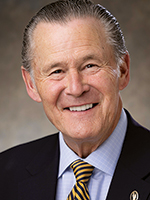
Rep. Bob Donovan
Sponsored bills
Maddy summaryAB 217 raises competitive bidding thresholds for local government contracts in the state. It increases the general public work bidding threshold from $25,000 to $50,000 and the notice threshold from $5,000 to $10,000. For highway contracts specifically, it sets a $25,000 bidding threshold and $5,000 notice threshold. The bill also requires these thresholds to automatically adjust every five years based on inflation, using the U.S. Consumer Price Index. This directly affects towns and local governments when contracting for public projects above these new dollar amounts.
Maddy summaryAB 778 changes eligibility rules for Wisconsin's Transform Milwaukee Jobs and Transitional Jobs programs. It requires applicants to have neither filed for unemployment insurance benefits nor be eligible for them. The bill repeals an existing eligibility provision (49.163(2)(am)4) and amends the current rule (49.163(2)(am)5) to clarify this requirement. This directly affects individuals seeking employment assistance through these specific Milwaukee-based workforce programs. The change simplifies eligibility by excluding those currently accessing unemployment benefits.
Maddy summaryAB 19 increases penalties for crimes against elders (60+ years) and adults at risk (a defined term under state law) by raising felony classifications for physical abuse and sexual assault. It requires courts to allow these victims to participate in hearings via phone or video, and allows asset freezes for defendants charged with financial exploitation of such victims. Crucially, the bill states that defendants cannot claim ignorance of the victim’s age or status as a defense. The bill directly affects vulnerable adults, courts handling related cases, and defendants facing charges under these provisions. It amends multiple statutes to implement these changes without creating new offenses.
Maddy summaryAB 659 modifies Wisconsin's tuition benefit policies for veterans and their families. It reduces the required residency period from 5 to 3 consecutive years in the state before enrollment for veterans themselves and their dependents (spouses or children) to qualify for tuition exemptions or grants at University of Wisconsin System schools, technical colleges, or private nonprofit institutions. The bill applies to veterans who served honorably, died on duty or from service-connected disabilities, or have a 30% service-connected disability rating, and to dependents who meet the revised residency requirement. It does not change eligibility for veterans who were Wisconsin residents at the time of military entry. The policy change takes effect for the first semester or session beginning after the bill's effective date.
Maddy summaryAB 596 creates a state matching grant program that allocates $950,000 to provide state funds matching federal per diem payments received by eligible non-state entities. It directly affects organizations or programs receiving federal per diem payments (such as those supporting veterans) by allowing them to access additional state funding. The bill establishes this program under the Veterans Affairs department budget, requiring the state to match federal payments without changing eligibility criteria or adding new requirements for recipients.
Maddy summaryAB 597 creates a state matching grant program that provides $25 per day per veteran to eligible housing providers who receive federal per diem payments under 38 USC 2012. It directly affects organizations housing veterans who qualify for federal per diem payments, such as veteran service nonprofits or shelters. The program funds up to 365 days per year per veteran, with quarterly payments based on the previous quarter's housing. Grants are limited to $25/day and require annual applications through the state department.
Maddy summaryAB 446 requires all state agencies and local governments (including cities, counties, and school districts) to use the International Holocaust Remembrance Alliance's 2016 definition of antisemitism when evaluating evidence in discrimination cases based on race, religion, color, or national origin. This applies to both civil policies prohibiting discrimination and criminal cases where bias against a victim's identity is a factor for enhanced penalties. The bill explicitly states it does not affect First Amendment rights or conflict with existing federal or state antidiscrimination laws.
Maddy summaryThis bill makes it a Class A misdemeanor to intentionally leave four or more tires on someone else's private property. It requires the person who committed the violation to pay the property owner the actual cost of properly disposing of the tires. The law creates new sections in the state statutes to establish these penalties and restitution requirements. The measure aims to address the problem of abandoned tires on private land by providing clear legal consequences for offenders.
Maddy summaryAB 1009 creates a framework for local governments to establish "tourism promotion improvement districts" to fund tourism marketing and infrastructure. It directly affects hotels and motels within designated districts, requiring at least 50% of room owners to petition for creation and approve an operating plan detailing improvements, activities, and financing. Key provisions include setting a 5-year maximum assessment period (10 years for renewals), capping fees for payment processing at 5%, and mandating public hearings before district approval. The bill enables districts to fund tourism promotions and infrastructure (like visitor centers) through business assessments, with all details of costs and benefits outlined in the approved operating plan.