

Maddy summaryThis Wisconsin bill proposes expanding the state's individual income tax brackets to apply to higher income levels. It would create two new tax tiers for single filers, heads of households, and married couples, taxing income between $14,320 and $112,500 at 4.40 percent and income above $315,310 at 7.65 percent. The legislation also includes provisions to adjust these tax brackets annually based on changes in the consumer price index to account for inflation. Although the bill passed the legislature, the Governor vetoed it, and the measure failed to override that veto.
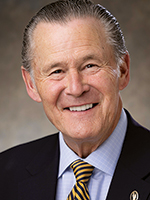
Rep. Bob Donovan
Sponsored bills
Maddy summaryThis bill would update Wisconsin's voter registration rules to ensure that people living in certain residential care facilities and retirement homes can request absentee ballots. It also establishes a process for the state election commission to automatically restore voting rights for individuals whose previous court rulings declared them ineligible to vote, provided a later court review overturns that decision. Under the proposed changes, the commission must notify affected voters of their eligibility within three business days and provide them with the necessary forms to re-register if needed. The legislation aims to streamline administrative procedures and correct past determinations without requiring voters to navigate complex legal hurdles to regain their right to vote.
Maddy summaryThis bill prohibits cities, villages, towns, and counties in Wisconsin from using their own funds to pay individuals under guaranteed income programs. It defines these programs as those providing regular, unearned cash payments that recipients can use for any purpose, while explicitly excluding initiatives that require work or training. The law restricts the use of local tax revenues, shared state funds, and fees for these payments, effectively banning municipal funding for such initiatives.
Maddy summaryThis bill proposes changing how Wisconsin voters select candidates for U.S. Senate and House of Representatives seats by implementing a top-five primary system followed by instant runoff voting. Under the new rules, voters in the primary election would be able to rank up to five candidates of their choice in order of preference, rather than selecting a single candidate from a specific party. If no candidate receives a majority of the first-choice votes in the general election, the system would automatically rerun the election using the voters' ranked preferences to determine a winner without requiring a second election. The legislation also includes provisions to ensure voters are clearly informed about how to cast votes across different party lines and how write-in candidates are handled within this ranked-choice framework.