

Maddy summaryAB 290 creates a special vehicle registration plate titled "Protect Pollinators" with a voluntary $25 annual or $50 biennial fee for vehicle owners who choose it. All fees collected beyond $23,700 (or production costs, whichever is less) are deposited into the conservation fund to support pollinator protection programs. The plate must display "Protect Pollinators" and cover the entire plate, as specified in the bill. This directly affects Wisconsin vehicle owners who select this plate option, directing funds toward conservation efforts.
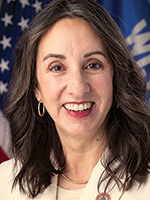
Rep. Lee Snodgrass
Sponsored bills
Maddy summaryAB 477 changes the age threshold for issuing a Missing Child Alert from under 10 years to under 12 years. It directly affects minors under 12 who are believed to be incapable of returning home without assistance due to a physical or mental condition, disability, or inability to navigate safely. The bill amends the statute to adjust the age requirement while maintaining the existing criteria for qualifying alerts. This is a technical adjustment to the alert system's eligibility rules, not a new program or policy. The change aims to expand the alert coverage to include older minors who may still require urgent assistance.
Maddy summaryAB 367 exempts minor league baseball players covered by a collective bargaining agreement (CBA) from standard labor laws requiring minimum wage, overtime pay, and detailed recordkeeping. Specifically, it creates new exemptions in state labor statutes for players whose CBAs explicitly define their wages and working conditions. Employers are no longer required to track these players' hours or maintain standard payroll records. The bill applies only to players under such CBAs, not to all minor league athletes. This is a procedural change to labor law exemptions, not a new pay standard.
Maddy summaryAB 671 mandates the Department of Administration to study redundant federal, state, and local requirements for constructing new housing (including single-family, duplex, and multifamily units). The study must identify overlapping or unnecessary rules and submit a report with legislative recommendations within one year of the bill's effective date. This bill does not create new laws but directs a formal review to potentially streamline housing construction regulations. It directly affects future legislative decisions on housing policy, not current construction practices.
Maddy summaryAB 622 amends Wisconsin's unemployment insurance law to extend the period during which job seekers may refuse work without losing benefits from 6 to 10 weeks after becoming unemployed. It clarifies that workers who quit jobs they could have refused (e.g., due to unsafe conditions) may still qualify for benefits within this 10-week window, regardless of their stated reason for leaving. The bill also updates the definition for "suitable work" in the 7th-11th week of unemployment to require wages above the lowest wage quartile for similar jobs in the area. These changes directly affect unemployed workers applying for benefits and the Department of Workforce Development’s eligibility determinations.
Maddy summaryAB 488 adds soybean-derived fire suppression products to the list of eligible costs for state fire safety grants. The bill specifically allows grant recipients to purchase these products using funds from existing fire suppression grant programs. This change directly affects state agencies, local fire departments, or organizations applying for these grants, making soybean-based fire suppression materials a qualifying expense.
Maddy summaryAJR 115 is a non-binding resolution recognizing October 26, 2025, and 2026, as Intersex Awareness Day in Wisconsin. It honors the 1996 first public demonstration by intersex people at a medical conference and acknowledges intersex individuals - those born with variations in physical sex characteristics - as part of Wisconsin's diverse community. The resolution highlights ongoing challenges like discrimination and unnecessary medical procedures on intersex children, while affirming the importance of bodily autonomy and dignity. This symbolic gesture does not create new laws but formally supports awareness and respect for intersex people.
Maddy summaryAB 632 imposes a moratorium on issuing permits for mining sulfide ore bodies (mineral deposits where metals mix with sulfide minerals) until two conditions are verified. Specifically, the department must confirm that similar mining operations in the U.S. or Canada have operated for at least 10 years without polluting groundwater or surface water from acid drainage or heavy metals, and that similar closed mines have remained pollution-free for 10 years. This applies to all permit applications, regardless of when they were submitted, and remains in effect until the verification requirements are met. The bill directly affects mining companies seeking permits for sulfide ore mining projects in the state.
Maddy summaryAB 577 increases annual funding for Wisconsin's birth defect prevention and monitoring system from $95,000 to $500,000, plus adds 3.3 full-time staff positions for the Department of Health Services to maintain the system. The bill allocates an additional $405,000 for fiscal years 2025-26 and 2026-27 to support this program. It directly affects the Department of Health Services, which will use the funds to operate the birth defect surveillance system. The bill makes concrete changes to existing funding levels without altering program requirements or eligibility.
Maddy summaryAB 570 redirects remaining scholarship funds to public school districts when students switch schools. If a student withdraws from a private school under a parental choice program, the Special Needs Scholarship Program, or an independent charter school during a school year and enrolls in a public school district, the state department must pay the unused scholarship amount to that district instead of the original school. This applies to all specified programs and covers the remainder of the school year's funding. The bill takes effect on July 1, 2026. It directly affects students transferring programs, public school districts receiving funds, and the state's scholarship payment process.