

Maddy summaryAB 185 modifies property tax exemption rules to expand eligibility for nonprofit theaters. It creates a new provision (70.11 (29m)(b)) requiring qualifying theaters to be operated by an IRS 501(c)(3) nonprofit (with a determination letter by October 1, 1990), use all property for theater arts, and have a total seating capacity of at least 240 persons. The bill repeals the previous exemption section (70.11 (29p)) and applies to property tax assessments starting January 1, 2025. This change directly affects nonprofit theaters meeting these specific criteria, potentially reducing their property tax burden.
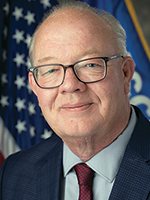
Rep. Todd Novak
Sponsored bills
Maddy summaryAB 158 modifies Wisconsin's worker's compensation rules for mental injuries (specifically PTSD) among certain public safety professionals. It adds emergency medical responders, emergency medical services practitioners, correctional officers, emergency dispatchers, coroners, medical examiners, and medicolegal investigation staff to the list of workers eligible for mental injury claims. The bill requires these claims to meet additional conditions to be compensable, specifically for mental injuries not accompanied by physical harm. This change affects how these essential public safety workers access benefits for work-related PTSD under Wisconsin's worker's compensation system.
Maddy summaryAB 97 extends health coverage under Wisconsin's Medicaid program (Medical Assistance) for postpartum women from 60 days to 365 days after pregnancy, directly affecting pregnant and postpartum women who qualify for the program. The bill changes eligibility rules to ensure coverage continues without regard to income changes during this extended period. It also adds a provision allowing women with family incomes above 300% of the poverty line to qualify if their income is spent on medical care or health insurance premiums. This policy update aims to provide longer-term health coverage for new mothers during a critical postpartum period.
Maddy summaryAB 547 establishes a new Office of Medical Cannabis Regulation within Wisconsin's Department of Health Services to oversee medical cannabis programs. It defines "medical cannabis product" consistently across state laws and adds protections preventing courts from denying child custody based solely on lawful medical cannabis use or registry enrollment. The bill also updates local ordinances to clarify restrictions on marijuana possession, ensuring penalties don't apply to medical cannabis users under specific circumstances. These changes aim to create a clearer regulatory framework while addressing legal inconsistencies in existing statutes.
Maddy summaryAB 693 allows hunters in Wisconsin's designated central and southern farmland zones to offer legally taken deer to meat processing facilities in exchange for local business gift cards. The processed meat must then be provided to food distribution services (as defined by state law) that supply food pantries. This bill creates a new legal pathway for connecting hunting harvests with food assistance programs through a specific gift-card exchange mechanism. It directly affects hunters in those zones, meat processors, and food pantries receiving donated meat. The policy change streamlines how donated venison from legal hunts can reach food pantries via this structured process.
Maddy summaryAB 691 amends Wisconsin's service award program for volunteer emergency responders, including fire fighters and emergency medical personnel. It increases the required service years for full benefits from 15 to 20 years, with eligibility also requiring age 60. For those with 10-20 years of service who are age 53-59 (but under 60), the bill creates a reduced payout option, calculated by the department but less than the full amount. The department must establish rules to implement these changes, affecting how volunteer emergency responders receive retirement benefits.
Maddy summaryAB 598 allows patient representatives to consent to health care facility admissions for incapacitated individuals without requiring a court-appointed guardian or protective placement petition. The bill creates a defined "patient representative" role, requiring two medical professionals (e.g., two physicians or one physician plus an advanced practice clinician) to certify incapacity based on medical need - not age, disability, or eccentricity. Patient representatives gain authority to make health care decisions, enroll individuals in Medical Assistance, and authorize health care expenses similar to a guardian, but only for non-developmental disability and non-mental illness cases. This change streamlines admissions for incapacitated patients while mandating 72-hour notifications to county agencies about the certification.
Maddy summaryAB 78 modifies Wisconsin law regarding vehicle impoundment for reckless driving offenses. It gives law enforcement officers discretion to impound vehicles used in certain reckless driving cases, rather than requiring mandatory impoundment. The bill directly affects drivers convicted of qualifying reckless driving offenses and law enforcement officers who decide whether to impound a vehicle. This change, now part of 2025 Wisconsin Act 46, alters the standard procedure for handling such vehicles.
Maddy summaryAB 237 extends the age limit for infants covered under Wisconsin's safe haven law from 72 hours to 30 days. This means parents can now safely relinquish an infant to a hospital or emergency responder without legal consequences if the child is 30 days old or younger, instead of only 72 hours. The bill modifies three statutes to update references to "72 hours" to "30 days" in the legal definitions for safe haven surrender, court findings of relinquishment, and related procedures. It directly affects parents seeking to surrender newborns and impacts hospitals, law enforcement, and child welfare systems that handle these surrenders. The change provides a longer window for parents to make this decision while maintaining the legal framework for safe relinquishment.
Maddy summaryAB 592 creates a two-year pilot program (2025-26 to 2026-27) to provide professional development for K-12 science teachers in Wisconsin. The Department of Public Instruction will partner with state-based nonprofits to offer training, and may provide free science equipment to participating teachers for classroom use. By October 2027, the department must report to the legislature on participation numbers, equipment distribution, and participating organizations. This bill directly affects science teachers in public schools by enhancing their training opportunities and resources.