

Maddy summaryAB 240 creates a sales and use tax exemption for equipment used to train, manage, or control search and rescue dogs. It directly affects state and nationally recognized search and rescue agencies that deploy canines to locate missing persons or assist in disaster response. The bill exempts the cost of such equipment from state sales tax, reducing operational expenses for these agencies. This policy change provides immediate financial relief for agencies that rely on specialized dog teams in emergency operations.
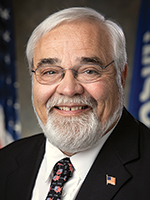
Rep. Jeff Mursau
Sponsored bills
Maddy summaryAB 185 modifies property tax exemption rules to expand eligibility for nonprofit theaters. It creates a new provision (70.11 (29m)(b)) requiring qualifying theaters to be operated by an IRS 501(c)(3) nonprofit (with a determination letter by October 1, 1990), use all property for theater arts, and have a total seating capacity of at least 240 persons. The bill repeals the previous exemption section (70.11 (29p)) and applies to property tax assessments starting January 1, 2025. This change directly affects nonprofit theaters meeting these specific criteria, potentially reducing their property tax burden.
Maddy summaryAB 158 modifies Wisconsin's worker's compensation rules for mental injuries (specifically PTSD) among certain public safety professionals. It adds emergency medical responders, emergency medical services practitioners, correctional officers, emergency dispatchers, coroners, medical examiners, and medicolegal investigation staff to the list of workers eligible for mental injury claims. The bill requires these claims to meet additional conditions to be compensable, specifically for mental injuries not accompanied by physical harm. This change affects how these essential public safety workers access benefits for work-related PTSD under Wisconsin's worker's compensation system.
Maddy summaryAB 631 creates "structured camping facilities" on designated public lands (excluding parks and fairgrounds) to provide temporary housing for homeless individuals and families. Local governments or the state department can designate these facilities, requiring residents to complete mental health or substance use evaluations, with a waiting list system when capacity is reached. The bill also establishes penalties for unauthorized camping on public property, classifying second or subsequent violations as Class C misdemeanors. It mandates data collection on facility usage, including occupancy and referrals for services, while ensuring safety and sanitation at all sites.
Maddy summaryAB 212 requires out-of-state health care providers to register with the state department or credentialing board to legally offer telehealth services to patients within the state. To register, providers must hold an active, unencumbered license from another state or territory that permits similar services, provide proof of malpractice insurance, disclose disciplinary history, and designate a state agent for legal notices. The state will maintain a public online registry listing registered providers, including their out-of-state credentials, specialty, insurance details, and disciplinary history. This bill directly affects telehealth providers from other states seeking to serve patients in this state, while prohibiting them from opening local offices or offering in-person care without a full state license.
Maddy summaryAB 97 extends health coverage under Wisconsin's Medicaid program (Medical Assistance) for postpartum women from 60 days to 365 days after pregnancy, directly affecting pregnant and postpartum women who qualify for the program. The bill changes eligibility rules to ensure coverage continues without regard to income changes during this extended period. It also adds a provision allowing women with family incomes above 300% of the poverty line to qualify if their income is spent on medical care or health insurance premiums. This policy update aims to provide longer-term health coverage for new mothers during a critical postpartum period.
Maddy summaryAB 263 requires disability insurance policies and self-insured health plans to cover diagnostic breast examinations and supplemental screenings for individuals at increased breast cancer risk, as defined by National Comprehensive Cancer Network guidelines or breast density (per American College of Radiology standards). It mandates coverage without copays or deductibles for these specific screenings, including diagnostic exams for abnormalities and supplemental screenings for high-risk patients. The bill applies to all affected plans, ensuring coverage regardless of symptoms and prohibiting cost-sharing for these services. This directly impacts patients with dense breast tissue, family history, or other risk factors, as well as the insurers and employers offering these health plans.
Maddy summaryAB 555 creates a new Class H felony charge for intentionally disarming correctional officers while they are on duty. It specifically targets individuals who take dangerous weapons, devices (as defined in §941.26), or official duty items like radios, keys, or other tools from correctional officers without consent. The law applies when these items are being carried by the officer or within their immediate presence. This bill directly affects correctional officers working in state facilities and establishes criminal penalties for interference with their safety equipment during official duties.
Maddy summaryAB 275 modifies state law to require government agencies to pay legal fees and costs when a court rules that an administrative rule is invalid (e.g., because it violates the constitution or was improperly created). It specifically directs that these costs - awarded to successful challengers - be paid from designated state funds under statutes 20.865(1)(a), (g), or (q). The bill applies to challenges involving agency rules or guidance documents and ensures fees are limited to the scope of the rule validity challenge. This change affects state agencies (who must cover costs) and individuals or groups challenging agency rules (who can recover legal expenses).
Maddy summaryAB 276 sets time limits for state agencies' "statements of scope" when creating administrative rules. It requires permanent rule statements to expire after 30 months and emergency rule statements after 6 months, preventing agencies from using expired statements to propose new rules. The bill also mandates separate statements for concurrent emergency and permanent rules and limits agencies to one rule per statement. These changes directly affect state agencies developing regulations and ensure legislative review occurs within defined timeframes. The bill does not alter rule content but streamlines the process for agency rulemaking and legislative oversight.