

Maddy summaryAB 173 regulates pharmacy benefit managers (PBMs) by requiring them to disclose formulary details and drug costs to health plans and patients before enrollment. It prohibits PBMs or insurers from penalizing patients for choosing specific pharmacies within a network or charging different fees for the same pharmacy services. The bill also mandates advance written notice (at least 90 days) to patients when drugs are removed from formularies or moved to higher-cost tiers, including exception request procedures. These changes directly affect PBMs, health insurance plans, and patients covered by those plans, aiming to increase transparency and choice in prescription drug coverage.
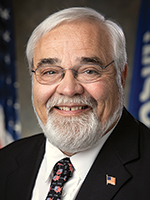
Rep. Jeff Mursau
Sponsored bills
Maddy summaryAB 38 clarifies that cash tips received by employees from customers are taxable income under state law. It creates a new definition (71.05(1)(j)) specifying that "tips" include cash tips paid directly by customers, and amends multiple tax calculation sections to explicitly include "tips" in income categories for nonresident and part-year resident taxpayers. The bill updates formulas to ensure tips are counted when calculating taxable income for apportionment purposes, affecting tipped employees (like servers) and nonresidents earning tips in the state. This change ensures cash tips are treated consistently with other wages for tax purposes, without creating new exemptions.
Maddy summaryAB 521 simplifies the process for sign owners to remove vegetation obstructing highway advertising signs. It defines a "viewing window" as a 500-foot zone along the highway where signs must remain visible, and creates a streamlined permit system for trimming or removing obstructing vegetation within this area. Existing sign owners with permits issued since 2012 can now maintain signs without new approvals (after notifying the department 15 days in advance), while new applicants must follow a 60-day permit review process. The bill also requires sign owners to remove stumps and dispose of all vegetation removed, and to compensate the department for trees (2+ inches in diameter) removed from designated "living snow fences."
Maddy summaryAB 208 creates tax exemptions for income and franchise taxes related to broadband expansion funding. It directly affects internet service providers, telecom companies, and community organizations receiving grants or federal high-cost program funds for building broadband infrastructure in the state. The bill exempts from taxation: (1) state/local/tribal/federal grants for broadband expansion, and (2) federal high-cost program funding under 47 USC 254. These exemptions apply to taxable years beginning after December 31, 2024, and prevent double-counting with other existing tax provisions.
Maddy summaryAB 64 creates a state income tax subtraction for eligible K-12 teachers who pay out-of-pocket for classroom supplies and materials. It allows teachers to subtract up to $300 annually from their taxable income for expenses covered under federal tax code (26 USC 62(a)(2)(D)), using the federal definition of "eligible educator." This provision directly affects teachers who incur these costs, reducing their state tax burden without requiring them to itemize deductions. The bill mirrors a federal tax break but applies specifically to Wisconsin's income tax system. The law would take effect for tax years beginning after December 31, 2024.
Maddy summaryAJR 107 is a symbolic joint resolution designating November 2025 as "Veteran Mental Health and Suicide Awareness Month" in Wisconsin. It directly affects Wisconsin veterans by raising public awareness of their elevated mental health challenges and suicide rates, citing that 134 veterans died by suicide in Wisconsin in 2023 (15% of all adult suicides despite veterans comprising only 5% of the adult population). The resolution does not create new programs or funding but aims to highlight existing resources like the Wisconsin Veterans Crisis Line and honor veterans' service. It was introduced by multiple legislators and cosponsored by numerous senators, reflecting legislative recognition of veteran mental health as a priority.
Maddy summaryAB 414 helps sexual assault victims by creating legal protection for people who assist them (like friends or advocates) from being prosecuted for minor crimes committed while helping. It also extends the time limit for prosecuting second-degree sexual assault cases, giving victims more time to report crimes. Additionally, the bill changes rules for evictions, making it harder for landlords to remove tenants who are sexual assault victims from rental housing. These changes directly affect sexual assault victims, those who support them, and landlords in residential housing situations.
Maddy summaryThis bill (AJR 113) proposes that Wisconsin officially recognize the second Monday in October as "Indigenous Peoples Day" each year. It does not create new laws or programs but formally acknowledges the historical and ongoing presence of Wisconsin's 11 federally recognized tribes and their contributions to the state. The resolution aims to promote appreciation, reconciliation, and partnership with Indigenous communities through this annual observance. As a symbolic gesture, it directly affects all Wisconsinites by encouraging reflection on Indigenous history and contributions.
Maddy summaryAB 483 requires Wisconsin municipalities and counties to hold voter referendums before imposing or continuing annual vehicle registration fees (commonly called "wheel taxes"). Local governments must propose a specific fee amount for voter approval at a regular election, with majority approval required to implement or continue the fee. Existing fees must be put to a referendum within 18 months of the bill's effective date. The bill directly affects local governments that charge these fees and vehicle owners who pay them.
Maddy summaryAB 501 establishes new standards for free speech and academic freedom at University of Wisconsin System institutions and technical colleges. It protects students, faculty, staff, and graduate assistants from campus restrictions on First Amendment-protected speech, including in virtual spaces (except during virtual classroom instruction). Institutions may only limit speech that violates laws, constitutes threats/harassment, or materially disrupts operations, and must use content-neutral time/place/manner rules for public forums. The bill also creates legal grounds for individuals to sue the Board of Regents or technical college boards if these protections are violated.