

Maddy summaryAB 499 requires health insurance plans and self-insured health plans to provide equal coverage for nonopioid pain treatments compared to opioids. Specifically, plans must cover at least two nonopioid prescription medications (not controlled substances) and three non-drug pain management options, without imposing stricter prior authorization or step therapy rules on nonopioid treatments than on opioids. The law prohibits designating nonopioid drugs as "nonpreferred" if opioids are listed and mandates annual public disclosure of pain management coverage details to enrollees and providers. This directly affects all health plans covering prescription drugs in Wisconsin, aiming to expand access to nonopioid pain management alternatives.
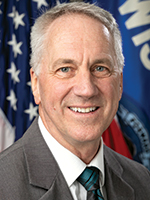
Rep. Dan Knodl
Sponsored bills
Maddy summaryAB 243 exempts certain amusement rides at campgrounds from specific safety regulations. It directly affects campground operators who install rides meeting manufacturer standards. The bill creates a new exemption (statute 101.05(7)) stating that three existing safety sections (101.02(15), 101.12(1), and 101.17(1)) do not apply to rides installed per manufacturer guidelines at campgrounds licensed under section 97.67. This changes regulatory requirements for these specific rides without altering broader safety rules.
Maddy summaryAB 278 creates a grant program for law enforcement agencies to purchase data-sharing platforms that integrate real-time data from multiple systems, eliminate duplicate records, and provide secure, customizable search and analytics tools. The bill specifies that platforms must meet 11 detailed requirements, including secure access controls, compatibility with existing systems, compliance with data security standards, and retention of agency data ownership. The Department of Justice will award grants using up to $2 million annually from state funds to support this initiative. This bill directly affects local and state law enforcement agencies seeking to upgrade their data-sharing capabilities.
Maddy summaryAB 198 creates two key programs: (1) grants for technical colleges offering emergency medical services (EMS) training, provided they don't give admission priority based on residency; and (2) a reimbursement program for individuals or their employers who paid tuition/materials for initial EMS certification/licensure as an emergency medical responder or practitioner. Eligible applicants must complete required courses, pass exams, and obtain their license/certification through the Department of Health Services. The bill also establishes a "live 911" pilot program allowing grants for real-time video communication during emergency calls, requiring a performance report by October 2027. This directly affects EMS students, practitioners, their employers, and public safety answering points.
Maddy summaryAB 77 prohibits the use of devices designed to conceal, alter, or obstruct license plates on vehicles. It defines such devices as any manual, electronic, or mechanical tool that switches plates, moves them, or makes registration numbers unreadable. The bill bans possessing, selling, installing, or using these devices, and allows police to impound vehicles equipped with them (with costs paid by the owner). Violators face fines up to $1,000 or 90 days in jail. This directly affects vehicle owners who might use such devices to obscure license plates.
Maddy summaryAB 179 standardizes lighting requirements for police vehicles in Wisconsin. It mandates that on marked police vehicles, blue lights must be mounted on the passenger side (roof or interior) and red lights on the driver side, with all lights designed to be clearly visible from 500 feet in daylight or darkness. The bill also restricts use of warning lights to specific scenarios like emergency response, pursuits, or hazardous parking, prohibiting general use otherwise. This directly affects all law enforcement agencies operating marked or unmarked police vehicles statewide.
Maddy summaryAB 449 requires local governments to allow at least one accessory dwelling unit (ADU) - a separate living space on a single-family property - as a standard permitted use, meaning homeowners can build one without special approvals. Local rules may still limit ADU size (to match the main home's square footage), height, or yard space requirements, but cannot block ADUs entirely. The bill also prohibits using newly created ADUs as short-term rentals (like Airbnb) after a specific date. This directly affects homeowners in single-family zones and local governments that set zoning rules.
Maddy summaryAB 353 requires hospitals to provide clear, upfront pricing for services and restricts certain aggressive debt collection tactics against patients. It directly affects hospitals by mandating transparent cost disclosures and patients by limiting how debt collectors can pursue unpaid medical bills. Key provisions include requiring hospitals to publish standard charges and prohibiting collectors from garnishing wages or threatening lawsuits for small amounts. The bill also establishes penalties for violations of these transparency and debt collection rules. This legislation aims to make healthcare costs more understandable and protect patients from excessive collection practices.
Maddy summaryAJR 87 is a Wisconsin legislative resolution designating August and October 2025 as "Agent Orange Awareness Months" in the state. It aims to raise public awareness about the health impacts of Agent Orange exposure on Vietnam War veterans and their families, including conditions like cancer, diabetes, and genetic issues. The resolution does not create new laws or funding but formally recognizes this issue through symbolic designation. It was introduced by multiple legislators and referred to committee, pending further action.
Maddy summaryAB 309 creates legal immunity for Wisconsin 911 call centers and dispatchers who transfer callers to the national 988 Suicide and Crisis Lifeline (or its successor number). The bill shields these entities from civil lawsuits related to outcomes of such transfers, unless the injury resulted from the dispatcher's gross negligence or willful misconduct. This directly affects public safety answering points statewide by reducing liability risks when connecting individuals in crisis to the 988 service. The law defines "national crisis hotline" as 988 or its successor under federal program 42 USC 290bb-36c.