

Maddy summaryAB 653 creates a state-funded program to improve safety at high-risk intersections. It directs the Department of Transportation to provide local governments (cities and counties) with funding for safety upgrades at signalized and stop-sign intersections with excessive crash rates. The program prioritizes intersections in the 10% of counties with the worst crash records from 2019-2024 data, using $6 million in new annual funding. This directly affects local governments managing highways by enabling them to apply for grants or reimbursements for intersection safety improvements.
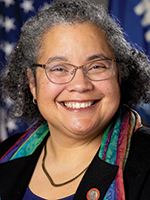
Rep. Margaret Arney
Sponsored bills
Maddy summaryAJR 115 is a non-binding resolution recognizing October 26, 2025, and 2026, as Intersex Awareness Day in Wisconsin. It honors the 1996 first public demonstration by intersex people at a medical conference and acknowledges intersex individuals - those born with variations in physical sex characteristics - as part of Wisconsin's diverse community. The resolution highlights ongoing challenges like discrimination and unnecessary medical procedures on intersex children, while affirming the importance of bodily autonomy and dignity. This symbolic gesture does not create new laws but formally supports awareness and respect for intersex people.
Maddy summaryAB 638 requires private postsecondary schools seeking state approval (or renewal) to maintain a reserve fund equal to 25% of their highest annual revenue over the past five years (or projected first-year revenue for new schools). This fund protects students if schools commit fraud, fail to deliver promised education services, or close unexpectedly. Schools must also pay a $3 student protection fee for every $1,000 of their annual revenue, with fee collection stopping once the fund exceeds $5 million. The bill directly affects private colleges operating in the state, creating a financial safety net for students through mandatory reserves and a fee-based fund.
Maddy summaryAB 632 imposes a moratorium on issuing permits for mining sulfide ore bodies (mineral deposits where metals mix with sulfide minerals) until two conditions are verified. Specifically, the department must confirm that similar mining operations in the U.S. or Canada have operated for at least 10 years without polluting groundwater or surface water from acid drainage or heavy metals, and that similar closed mines have remained pollution-free for 10 years. This applies to all permit applications, regardless of when they were submitted, and remains in effect until the verification requirements are met. The bill directly affects mining companies seeking permits for sulfide ore mining projects in the state.
Maddy summaryAB 642 allows students to sue private postsecondary schools that violate enrollment rules or provide false/misleading information about their programs. Students who paid fees to such schools can recover those fees plus costs and reasonable attorney fees through civil court. The bill directly affects students enrolled in private schools that engage in deceptive practices, creating a clear legal remedy for financial harm. It amends Wisconsin Statute 440.52(10)(f) to establish this specific civil action as an additional remedy. The law applies to violations occurring on or after its effective date.
Maddy summaryAB 635 requires the state environmental department to notify county health departments, tribal health departments, and county land conservation departments within 7 business days whenever groundwater protection standards or PFAS standards are exceeded. The bill creates a formal notification system to alert affected local governments and adjacent counties that might face negative impacts, with notices available for public review under state law. This law directly affects local health and land management agencies in counties where water contamination breaches are confirmed, ensuring timely public awareness of groundwater safety issues.
Maddy summaryAB 656 eliminates a legal exception that previously protected spouses from prosecution for sex crimes against child spouses. It amends statutes 948.09 (sexual intercourse with a child age 16+) and 948.093 (underage sexual activity) to remove the provision stating these laws "do not apply if the child is the defendant’s spouse." This change directly affects individuals in marriages where one spouse was a minor at the time of marriage, making spousal relationships no longer a defense for sex crimes against children. The bill also updates marriage-related provisions, including allowing minors under 18 to file for divorce (767.185) and clarifying consent requirements for minors seeking marriage licenses.
Maddy summaryAB 97 extends health coverage under Wisconsin's Medicaid program (Medical Assistance) for postpartum women from 60 days to 365 days after pregnancy, directly affecting pregnant and postpartum women who qualify for the program. The bill changes eligibility rules to ensure coverage continues without regard to income changes during this extended period. It also adds a provision allowing women with family incomes above 300% of the poverty line to qualify if their income is spent on medical care or health insurance premiums. This policy update aims to provide longer-term health coverage for new mothers during a critical postpartum period.
Maddy summaryAB 263 requires disability insurance policies and self-insured health plans to cover diagnostic breast examinations and supplemental screenings for individuals at increased breast cancer risk, as defined by National Comprehensive Cancer Network guidelines or breast density (per American College of Radiology standards). It mandates coverage without copays or deductibles for these specific screenings, including diagnostic exams for abnormalities and supplemental screenings for high-risk patients. The bill applies to all affected plans, ensuring coverage regardless of symptoms and prohibiting cost-sharing for these services. This directly impacts patients with dense breast tissue, family history, or other risk factors, as well as the insurers and employers offering these health plans.
Maddy summaryAB 476 creates a new legal right for employees to sue employers or co-workers for creating an "abusive work environment" that causes physical or psychological harm. It defines "abusive conduct" as repeated verbal abuse, threats, sabotage of work, or exploitation of health conditions - excluding single incidents unless exceptionally severe. Employees can seek remedies like medical costs, back pay, or front pay through a civil lawsuit filed within one year of the abusive conduct, while also prohibiting retaliation for reporting abuse or participating in investigations. The law directly affects employees experiencing such conduct and employers/co-workers who engage in it, with specific procedures requiring notification to the department for certain claims.