Issue · Transportation

Transportation

Every transportation bill, vote, and legislator stance in Wisconsin, automatically classified by Maddy, our AI policy reader.

Total bills
66
119th Congress
Top supporter
Tammy Baldwin
67% support rate
Top opponent
Ron Johnson
35% support rate
Ranked legislators
7
5 support · 2 oppose
Key legislators

Who's moving transportation in Wisconsin

Legislators moving transportation in Wisconsin
Legislator Party Stance Support rate Votes
Tammy Baldwin
Tammy Baldwin Senate
D
Support
67% 153
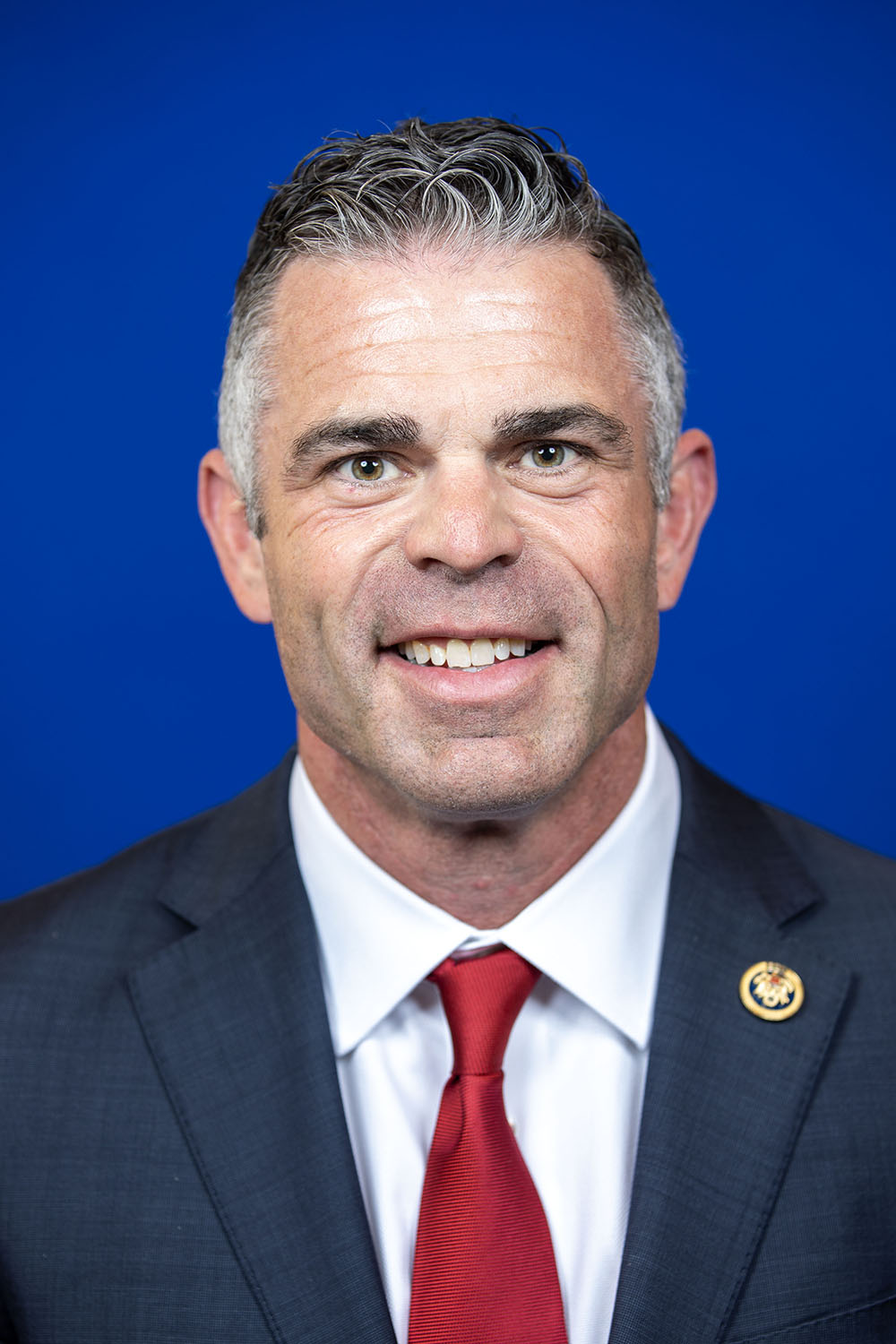
Tony Wied
Tony Wied House · District 8
R
Support
64% 122
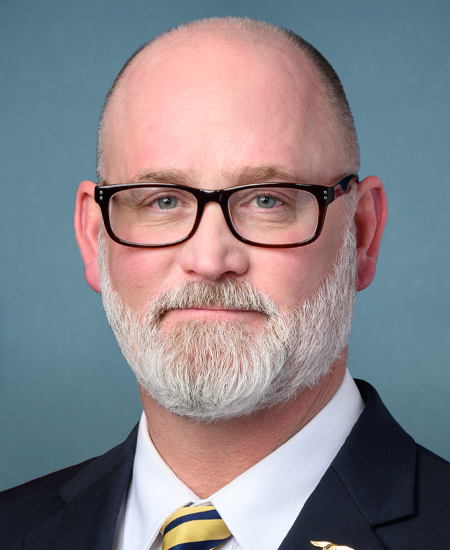
Derrick Van Orden
Derrick Van Orden House · District 3
R
Support
60% 113
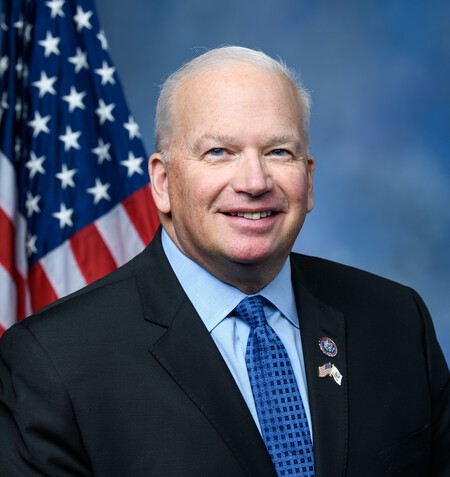
Scott Fitzgerald
Scott Fitzgerald House · District 5
R
Support
60% 122
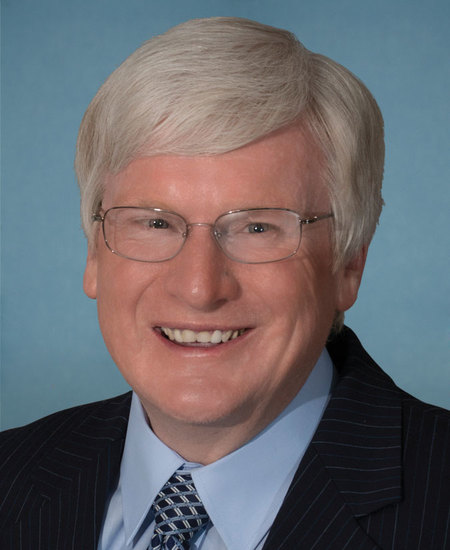
Glenn Grothman
Glenn Grothman House · District 6
R
Support
60% 119
Ron Johnson
Ron Johnson Senate
R
Oppose
35% 151
Thomas P. Tiffany
Thomas P. Tiffany House · District 7
R
Mixed −
47% 122
Showing 1–10 of 66 bills

All transportation bills

in committee · United States · Senate Jun 18, 2026

S 4829: Air Carrier Access Amendments Act

The Air Carrier Access Amendments Act updates the Air Carrier Access Act to better protect individuals with disabilities from discrimination when traveling by air. It specifically addresses issues such as damaged wheelchairs, physical harm to passengers, inadequate assistance, and mistreatment of service animals. The bill introduces new civil penalties for these violations and allows aggrieved individuals to file lawsuits directly in federal court without first exhausting administrative remedies. Additionally, it grants the Attorney General the authority to sue on behalf of victims and to seek damages in cases involving patterns of discrimination.
Sub-Topics Airports
in committee · United States · House Jun 24, 2026

HR 9250: Great American Outdoors Act 250

This bill redesignates the existing National Parks and Public Land Legacy Restoration Fund as the America's Legacy Restoration Fund to address deferred maintenance on federal lands. It directs revenue from recreation fees and a portion of energy development income into the fund, which must be used primarily for repairing critical infrastructure like roads, trails, and buildings managed by agencies such as the National Park Service and the Forest Service. The legislation establishes strict rules requiring that most funds go toward non-transportation projects, mandates transparency through public dashboards tracking project status, and sets aside a small percentage for matching private donations. Additionally, the bill increases entrance fees for foreign visitors to ensure they contribute to the fund, while prohibiting the use of these specific funds for land acquisition or employee bonuses.
in committee · United States · House May 13, 2026

HR 8782: PLOW Storms Act

The PLOW Storms Act amends the Clean Air Act to classify snow removal vehicles and machinery as emergency vehicles. This change directly affects state, local, and tribal governments that own or operate equipment used to clear snow and ice from public roads and rights-of-way. By including these dedicated-use vehicles in the definition of emergency fleets, the bill allows them to operate under specific exemptions related to emissions standards during winter storm conditions. The legislation focuses on ensuring that essential snow clearing operations can proceed without regulatory hindrance during severe weather events.
Sub-Topics Air Quality
in committee · United States · House Apr 29, 2026

HRES 1236: Expressing support for the designation of May 2026 as "Motorcycle Safety Awareness Month".

This resolution expresses support for designating May 2026 as Motorcycle Safety Awareness Month. It recognizes the role of motorcycles in transportation and highlights the importance of rider safety education, proper licensing, and wearing protective gear. The bill also encourages all road users to share the road safely with motorcyclists.
in committee · United States · House May 21, 2026

HRES 1315: Expressing support for the designation of May 2026 as "Renewable Fuels Month" to recognize the important role that renewable fuels play in lowering fuel prices for consumers, lessening reliance on foreign adversaries, supporting rural communities, and reducing carbon impacts.

This bill is a non-binding resolution that expresses support for designating May 2026 as 'Renewable Fuels Month.' It aims to highlight the economic and environmental benefits of renewable fuels, such as ethanol and biodiesel, which are used in vehicles and aviation. The resolution recognizes how these fuels help lower consumer prices, create jobs in rural areas, reduce reliance on foreign oil, and decrease greenhouse gas emissions. Because this is a symbolic gesture rather than a law with enforceable rules, it does not change any existing policies or regulations.
in committee · United States · Senate Apr 27, 2026

S 4393: Build America, Buy America Compliance Act

The Build America, Buy America Compliance Act requires federal agencies to submit annual reports detailing how they are implementing rules that prioritize using domestically produced materials for taxpayer-funded infrastructure projects. These reports must list all relevant programs, identify which ones fully comply with domestic sourcing requirements, and outline specific timelines for fixing any gaps or replacing broad waivers with more targeted exceptions. The legislation also mandates that all waivers granted for using foreign materials be made publicly available on a dedicated government website to increase transparency. Ultimately, the bill aims to ensure that federal spending on infrastructure supports American manufacturing and workers by closing loopholes that previously allowed the use of imported goods.
in committee · United States · House Feb 9, 2026

HR 7437: BASICS Act

This bill, known as the BASICS Act, creates a new $5.5 billion federal funding program over five years to repair and replace bridges in poor condition across the United States. The program prioritizes projects based on the cost of bridge rehabilitation in each state and guarantees a minimum funding allocation of $45 million per state annually. It also expands funding for regional transportation planning in rural areas and increases flexibility for local governments to select and manage transportation projects through enhanced consultation requirements. Additionally, the legislation removes local matching fund requirements for metropolitan planning activities and allows 100 percent federal funding for off-system bridge projects owned by local governments or tribes.
in committee · United States · House Mar 3, 2026

HR 7748: Railway Safety Act of 2026

The Railway Safety Act of 2026 establishes new safety requirements for trains transporting hazardous materials, including speed limits, enhanced reporting, and stricter tank car standards. It mandates that high-hazard trains carrying flammable liquids or toxic materials be limited to 40 mph in urban areas, while requiring railroads to provide real-time information to emergency responders. The bill also increases penalties for safety violations, requires more frequent inspections of rail equipment, and creates a new emergency response assistance program to help communities affected by hazardous materials incidents. Additionally, it authorizes funding for research into safer tank cars and defect detection systems, and requires the Federal Railroad Administration to improve its safety workforce management.
Sub-Topics Rail
in committee · United States · Senate Feb 24, 2026

S 3903: Railway Safety Act of 2026

This bill, titled the Railway Safety Act of 2026, establishes new safety requirements for trains carrying hazardous materials and strengthens emergency response capabilities. It directly affects Class I railroads, emergency response agencies, and communities near rail lines by mandating stricter tank car standards, limiting train speeds in urban areas, and requiring railroads to provide real-time information about hazardous materials shipments to first responders. Key provisions include phasing out older tank cars for flammable liquids by 2027, requiring two-person crews on freight trains, increasing penalties for safety violations, and creating a new emergency response assistance fund to help communities respond to hazardous materials incidents.
in committee · United States · House Mar 17, 2026

HR 7941: Pay TSA Act of 2026

This bill establishes a dedicated Transportation Security Trust Fund to ensure money collected from airline passenger security fees is used exclusively for aviation security purposes. The fund would support the Transportation Security Administration by paying salaries and benefits for its personnel, funding passenger and baggage screening operations, and purchasing security technology and infrastructure. Additionally, the legislation guarantees that aviation security operations can continue without interruption during government funding lapses, prioritizing frontline staff compensation and operational expenses before using remaining funds for technology upgrades.
Showing 1 to 10 of 66 bills
1 2 3 7 Next