Issue · Technology

Technology

Every technology bill, vote, and legislator stance in Wisconsin, automatically classified by Maddy, our AI policy reader.

Total bills
92
119th Congress
Top supporter
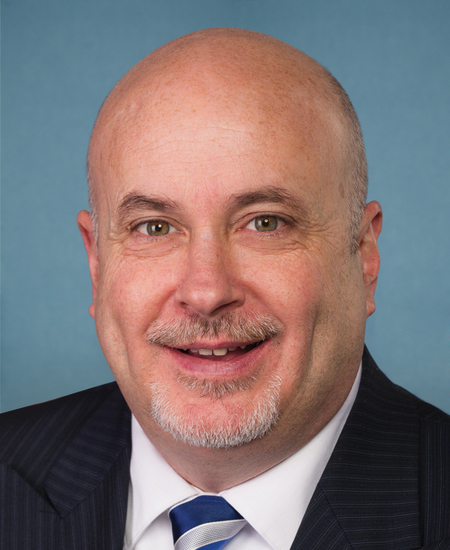
Mark Pocan
73% support rate
Top opponent
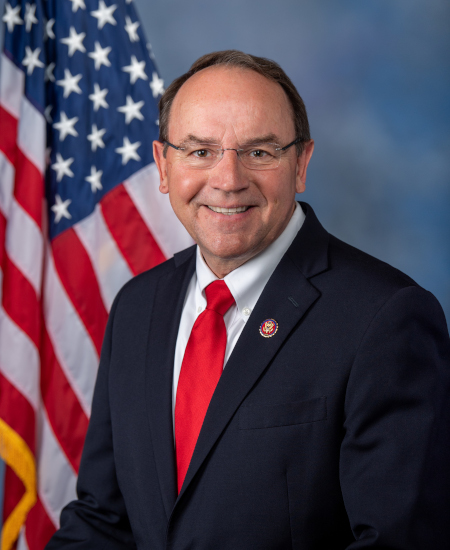
Thomas P. Tiffany
30% support rate
Ranked legislators
8
3 support · 5 oppose
Key legislators

Who's moving technology in Wisconsin

Legislators moving technology in Wisconsin
Legislator Party Stance Support rate Votes
Mark Pocan
Mark Pocan House · District 2
D
Support
73% 261
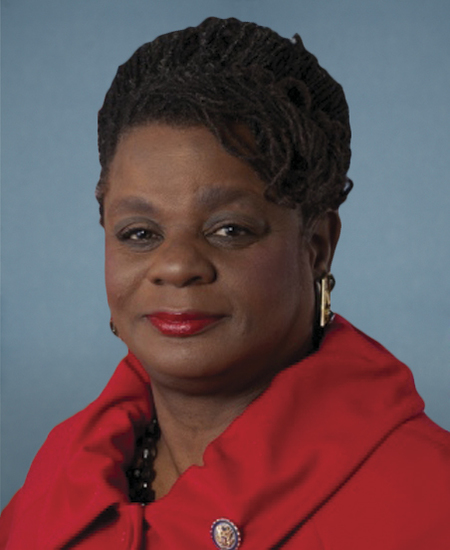
Gwen Moore
Gwen Moore House · District 4
D
Support
73% 259
Tammy Baldwin
Tammy Baldwin Senate
D
Support
67% 231
Thomas P. Tiffany
Thomas P. Tiffany House · District 7
R
Oppose
30% 257
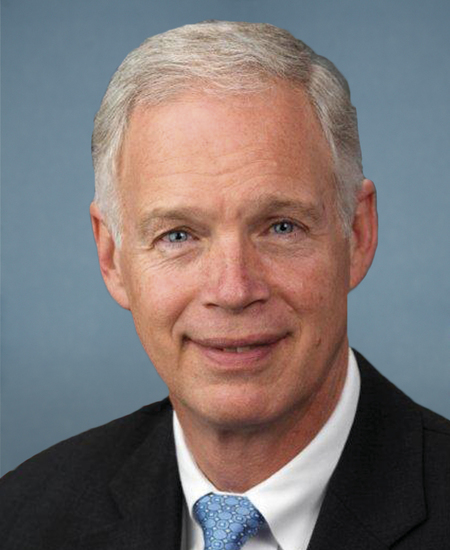
Ron Johnson
Ron Johnson Senate
R
Oppose
31% 230
Bryan Steil
Bryan Steil House · District 1
R
Oppose
32% 262
Glenn Grothman
Glenn Grothman House · District 6
R
Oppose
32% 256
Scott Fitzgerald
Scott Fitzgerald House · District 5
R
Oppose
32% 263
Showing 1–10 of 92 bills

All technology bills

in committee · United States · House Sep 2, 2026

HR 10238: Cybersecurity for Small Businesses Act of 2026

The Cybersecurity for Small Businesses Act of 2026 directs the Small Business Administration, in partnership with federal cybersecurity agencies, to create and distribute resources that help small businesses improve their digital security practices. The bill specifically requires the administration to provide guidance on federal cybersecurity compliance standards to small companies seeking government contracts or subcontracting opportunities. This information must be made available through small business development centers, district offices, and the agency's website. Additionally, the Office of Advocacy is required to submit an annual report to Congress detailing how many small businesses have contacted them regarding cybersecurity issues.
Sub-Topics Consumer Data Protection Cybersecurity Tags Small Business
in committee · United States · Senate Jul 15, 2026

S 5003: ACCESS Rural America Act

The ACCESS Rural America Act exempts small rural telephone companies from specific federal registration requirements for selling securities. To qualify for this exemption, the companies must provide broadband internet access and submit a financial summary to investors that includes subscriber data and key financial statements. The bill applies only to issuers with fewer than 100,000 broadband subscribers and securities held by more than 500 non-accredited investors but fewer than 2,000 total holders. This change aims to simplify the process for these rural providers to raise capital by reducing regulatory burdens.
Sub-Topics Broadband Access Telecommunications Tags Rural Communities
in committee · United States · House Jul 22, 2026

HR 9862: Responsible Artificial Intelligence for Veterans Act of 2026

The Responsible Artificial Intelligence for Veterans Act of 2026 requires the Department of Veterans Affairs to hire an independent research center to evaluate artificial intelligence tools currently used or being developed for patient care within the Veterans Health Administration. This evaluation will focus on five specific high-risk systems to assess their safety, accuracy, fairness, and how well they integrate with existing medical workflows. The law mandates that the findings be reported to Congress within a year, followed by a detailed plan from the VA to address any identified risks or gaps in oversight. Additionally, a government auditor will review both the evaluation and the VA's response plan to ensure accountability, all without requesting new funding for the initiative.
in committee · United States · House Jul 16, 2026

HR 9736: Stop CHEATERS Act

The Stop CHEATERS Act directs the Internal Revenue Service to increase its enforcement efforts against high-income individuals and large corporations by allocating billions of dollars in additional funding for tax audits, criminal investigations, and taxpayer services through fiscal year 2031. A significant portion of this funding is designated for modernizing the IRS's technology and business systems to improve its ability to detect fraud and noncompliance. The legislation also requires the IRS Commissioner to submit regular reports to Congress detailing plans to shift auditing resources toward wealthy taxpayers and analyzing how much unpaid tax is owed by different income groups.
passed · United States · Senate Jun 18, 2026

S 4822: Saving the OOI Act of 2026

The Saving the OOI Act of 2026 directs the National Science Foundation to stop using federal money to shut down or reduce the scope of the Ocean Observatories Initiative instruments located off Oregon, Washington, Alaska, North Carolina, and in the Irminger Sea. Instead, the bill requires the NSF to keep these ocean monitoring systems fully operational until a comprehensive review of the initiative is conducted with input from scientists and coastal communities. This legislation ensures that the existing network continues to function without interruption while the evaluation process takes place.
in committee · United States · Senate Jun 18, 2026

S 4831: Stop Spying Bosses Act

The Stop Spying Bosses Act establishes new federal rules to limit how employers collect, use, and share employee data, primarily affecting businesses with at least 11 workers and their employees. It prohibits employers from gathering sensitive information such as biometric scans, off-duty activities, or political views unless the data is strictly necessary for specific job functions like ensuring safety or administering benefits. The law requires employers to clearly disclose what data they collect and how it influences decisions about hiring, firing, or promotions, while also granting workers the right to access and correct their own records. To enforce these standards, the bill creates a new Worker Protection and Technology Division within the Department of Labor, which will investigate violations and provide whistleblower protections against retaliation. Additionally, the legislation invalidates pre-dispute arbitration agreements that would stop workers from joining class-action lawsuits regarding privacy violations.
Sub-Topics Workplace Safety
in committee · United States · House Jun 23, 2026

HR 9402: Stop Spying Bosses Act

The Stop Spying Bosses Act establishes new federal rules to limit how employers collect, use, and share data about their employees and job applicants. This legislation directly affects private businesses with 11 or more workers, government agencies, and their employees by prohibiting the gathering of sensitive information such as biometric data, political views, or off-duty activities without a specific, disclosed business need. Key provisions require employers to clearly inform workers about what data is being collected and how it is used, grant employees the right to access and correct their personal records, and ban the sale of employee data to third parties. The bill also creates a new Worker Protection and Technology Division within the Department of Labor to oversee compliance and provides legal protections for workers who report violations, including the right to sue for damages and prohibiting forced arbitration for such disputes.
in committee · United States · House Jun 29, 2026

HR 9515: MFA Act

The Marketplace Fraud Accountability Act requires the healthcare.gov website to use multi-factor authentication for users enrolling in health plans or accessing their personal enrollment data. This security measure, which involves verifying identity through at least two methods like passwords and biometrics, must be implemented within one year of the bill's enactment. The law includes an exception for individuals who lack access to broadband or cellular service or cannot otherwise use this technology. By strengthening identity verification, the bill aims to protect consumer information while maintaining access for those with connectivity limitations.
in committee · United States · House Jun 18, 2026

HRES 1374: Expressing the sense of the House of Representatives that parents should be provided clear, accurate, and useful information about the content of video programming so they can make informed decisions for their children.

This resolution expresses the House's sense that parents need clear and accurate information about video content to make informed decisions for their children. It calls on the Federal Communications Commission to modernize the existing ratings system to cover all video platforms, including streaming services, and to ensure content descriptions are neutral and specific. The bill also urges the creation of an oversight body that includes parents and child advocates alongside industry representatives to increase transparency in how ratings are assigned. Ultimately, it seeks to improve parental guidance tools and public awareness without mandating specific changes to current laws.
in committee · United States · House Jun 4, 2026

HR 9142: Prohibiting Adversarial Patents Act of 2026

This bill prohibits the U.S. Patent and Trademark Office from issuing or enforcing patents for inventions created by individuals or companies identified as threats to national security. Specifically, it bars patents for entities listed on the Chinese Military-Industrial Complex Companies List, designated Chinese military companies, or those providing equipment on the FCC's untrusted networks list. While the law prevents these entities from receiving or enforcing patents, it does not stop them from submitting patent applications, and it includes a provision allowing the President to grant temporary waivers if national security interests do not require the prohibition.
Showing 1 to 10 of 92 bills
1 2 3 10 Next