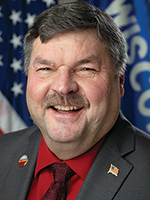
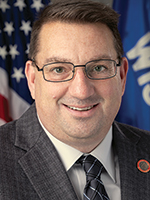
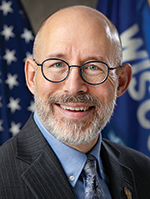
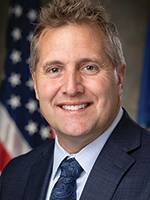
Key legislators
Who's moving technology in Wisconsin
Showing 4 of 4
bills
All technology bills
AB 105 requires business entities (like websites or platforms) distributing material harmful to minors to verify users' ages using approved methods before granting access. It applies specifically to sites containing a "substantial portion" (over one-third) of such material, defined as content with sexual depictions, prurient appeal, or lacking literary/artistic value for minors. The bill exempts bona fide news organizations and internet service providers from these requirements. Violations could result in civil lawsuits seeking damages, while the bill also bans publishing obscene material involving children or obscene content online.
AB 415 restricts state and local government employees from using electronic devices owned by their agencies to access social media, apps, or AI tools owned by entities located in "foreign countries of concern" (as defined by federal regulations). The bill directly affects government employees and contractors who use official devices for non-law enforcement work, banning access to specific foreign-owned technology. Exceptions allow written waivers from the secretary of administration for limited job-related purposes. This policy change aims to limit government use of technology linked to designated foreign adversaries, with no impact on law enforcement activities. The bill does not create new funding or require agency budget changes.
AB 377 establishes English as the official language of the state and requires all state agencies and local governmental units (like cities, counties, and school districts) to conduct official communications in English. It allows these entities to use artificial intelligence or machine translation tools instead of hiring human interpreters for individuals with language barriers, while still requiring interpreters in specific cases like health/safety emergencies or legal proceedings. The bill permits limited exceptions for non-English communication (e.g., for teaching languages, protecting criminal defendants' rights, or complying with federal law), but prohibits restricting private language use for non-governmental purposes. This law directly affects government operations and individuals seeking services who need language assistance.
AB 2 requires Wisconsin school boards to adopt policies banning student use of wireless communication devices (like cell phones, tablets, laptops, and gaming devices) during instructional time, effective July 1, 2026. The policy must define "wireless communication device," include specific exceptions for emergencies, health needs, individualized education programs, and teacher-approved educational use, and allow boards to add other learning-focused exceptions. It directly affects school boards, which must create and implement these policies, while students are the primary group subject to the restrictions. The bill does not mandate device confiscation but permits it as a consequence for violations.