

Issue · Budget & Taxes
Budget & Taxes
Every budget & taxes bill, vote, and legislator stance in Wisconsin, automatically classified by Maddy, our AI policy reader.
Total bills
41
119th Congress
Top supporter
Tony Wied
81% support rate
Top opponent
Mark Pocan
19% support rate
Ranked legislators
8
5 support · 3 oppose
Key legislators
Who's moving budget & taxes in Wisconsin
| Legislator | Party | Stance | Support rate | Votes |
|---|---|---|---|---|
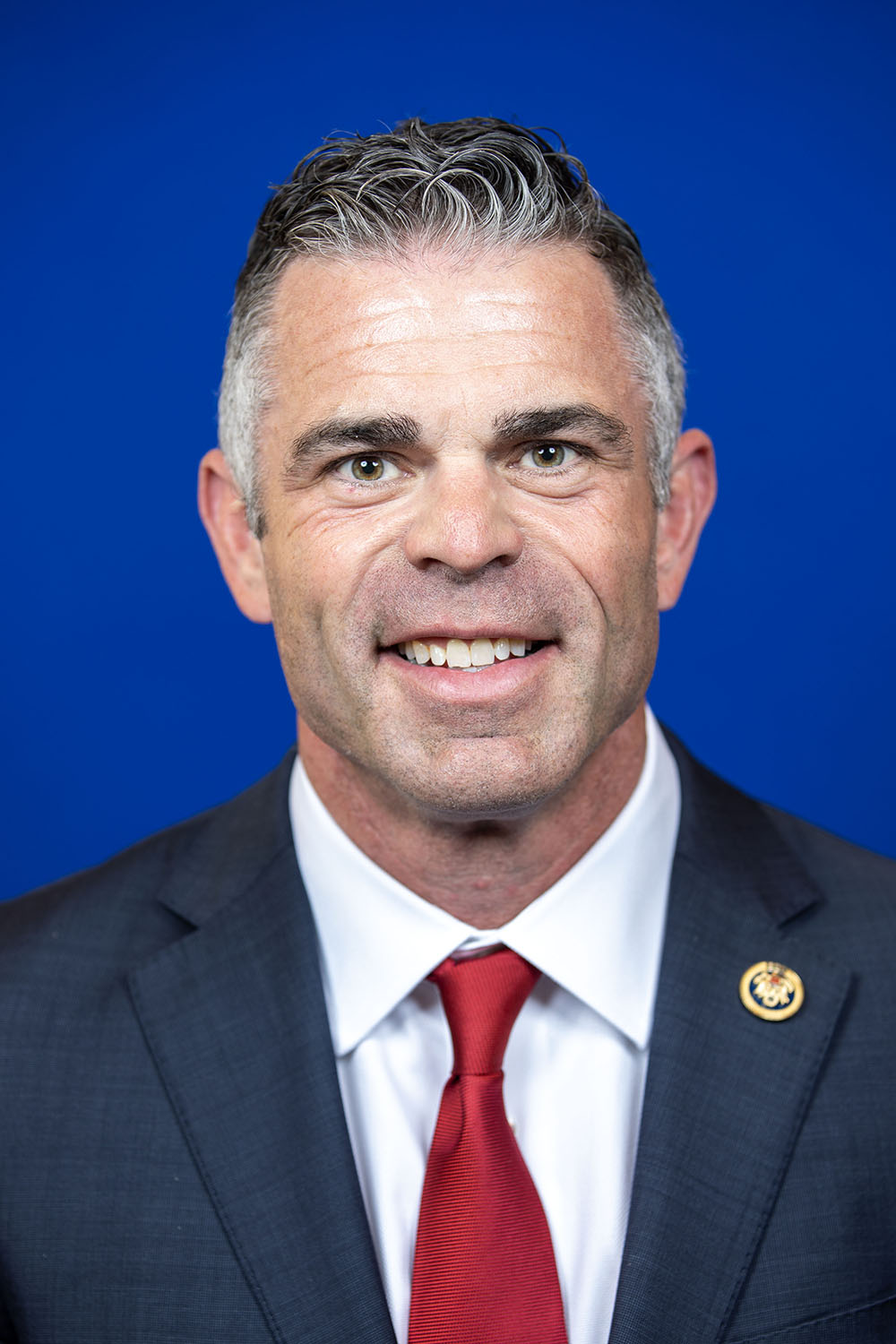
Tony Wied
House · District 8
|
R |
Strong +
|
81% | 184 |
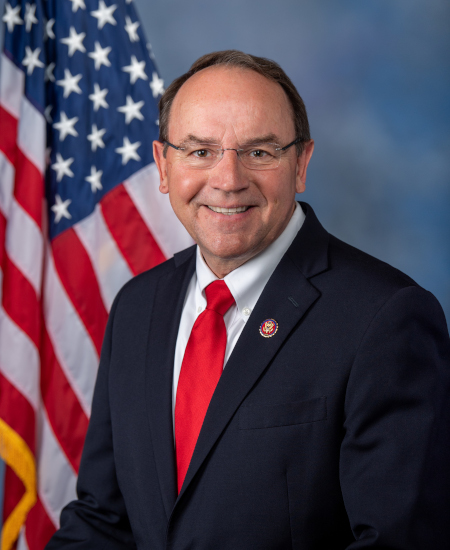
Thomas P. Tiffany
House · District 7
|
R |
Support
|
79% | 182 |
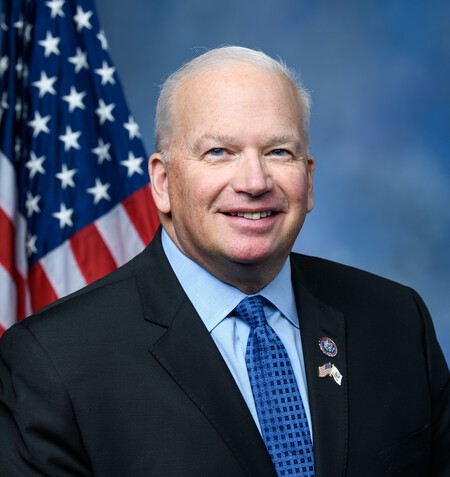
Scott Fitzgerald
House · District 5
|
R |
Support
|
73% | 185 |
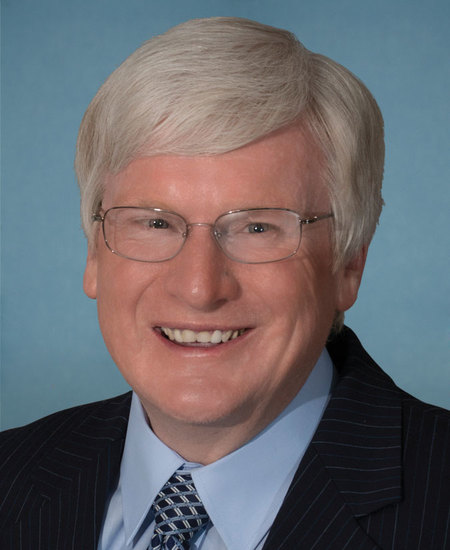
Glenn Grothman
House · District 6
|
R |
Support
|
72% | 181 |
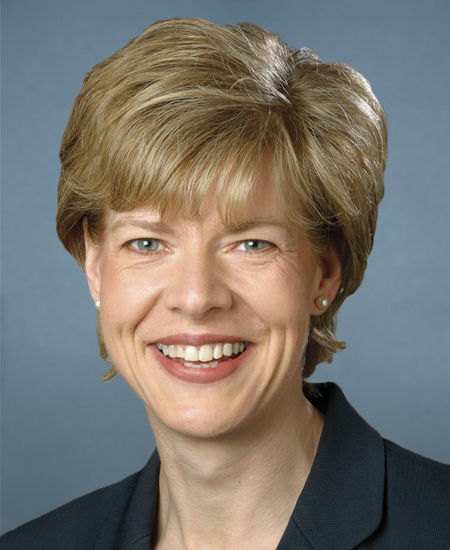
Tammy Baldwin
Senate
|
D |
Support
|
68% | 274 |
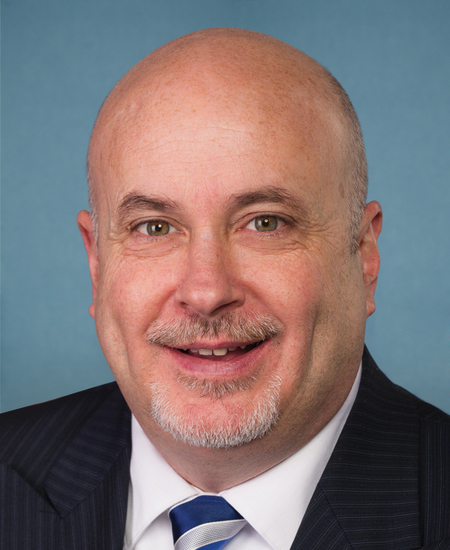
Mark Pocan
House · District 2
|
D |
Strong −
|
19% | 186 |
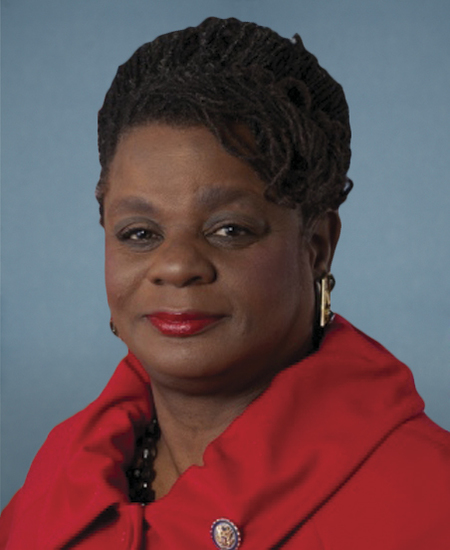
Gwen Moore
House · District 4
|
D |
Strong −
|
19% | 186 |
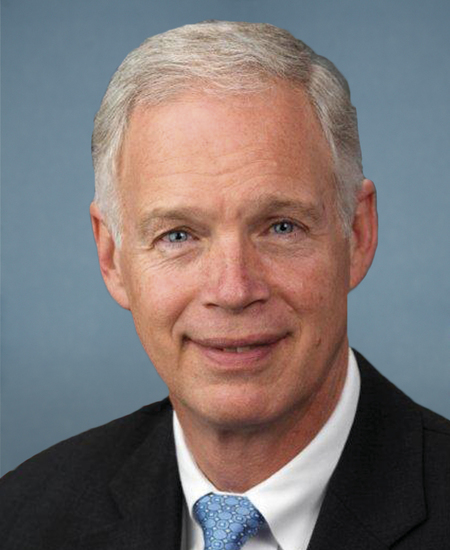
Ron Johnson
Senate
|
R |
Oppose
|
34% | 270 |
Showing 1–10 of 41
bills
All budget & taxes bills
S 4791: A bill to abolish the Anti-Weaponization Fund, and for other purposes.
HR 9289: Keep Public Funds in Public Schools Act of 2026
Topics
✗ Budget & TaxesOpposes Budget & TaxesBill eliminates a tax credit, restricting government spending on private school vouchers and reducing public funds allocated to education.
✗ EducationOpposes EducationBill eliminates tax credits funding private school vouchers, restricting public funds for private education.
HR 9075: Tax the Grift Act
Sub-Topics
Income Tax
HR 8103: To prohibit the use of funds to use military force in or against Cuba, and for other purposes.
HR 7843: No Free Rides Act of 2026
Topics
✗ Budget & TaxesOpposes Budget & TaxesBill restricts public transportation funding by prohibiting universal free fare policies, limiting government spending on transit services.
✗ TransportationOpposes TransportationBill prohibits universal free fare policies on public transportation, restricting access and limiting funding flexibility for transit systems.
HR 1513: Unplug the Electric Vehicle Charging Stations Program Act
Topics
✗ Budget & TaxesOpposes Budget & TaxesTerminates federal funding for EV charging infrastructure by repealing grant authorizations and rescinding unobligated funds, directly defunding essential programs.
✗ EnergyOpposes EnergyTerminates federal funding for EV charging infrastructure, directly defunding renewable energy infrastructure programs.
✗ EnvironmentOpposes EnvironmentTerminates federal funding for EV charging infrastructure, directly defunding a clean energy initiative that supports environmental protection and emissions reduction.
✗ TechnologyOpposes TechnologyBill terminates federal funding for EV charging infrastructure, explicitly defunding a technology program as it repeals grants and eliminates the National Electric Vehicle Infrastructure Formula Program.
✗ TransportationOpposes TransportationTerminates federal EV charging infrastructure programs and rescinds funds, directly defunding transportation infrastructure as per bill summary.
Sub-Topics
Electric Vehicles
Oil & Gas
Data Privacy
Electric Vehicles
Roads & Highways
Transportation Funding
HR 7527: Pay Less at the Pump Act of 2026
Topics
✗ Budget & TaxesOpposes Budget & TaxesEnds fee funding Superfund cleanup, reducing government revenue for environmental program. Direct defunding aligns with 'oppose' stance on Budget & Taxes.
✗ EnvironmentOpposes EnvironmentEnds fee funding Superfund hazardous waste cleanup, reducing environmental protection funding and weakening cleanup efforts.
Sub-Topics
Hazardous Materials
HR 272: Protecting Life and Taxpayers Act of 2025
Topics
✗ Budget & TaxesOpposes Budget & TaxesDefunds abortion-related healthcare programs by prohibiting federal funding, directly restricting government spending on this topic.
✗ HealthcareOpposes HealthcareDefunds abortion services, restricting access to healthcare; aligns with defunding public health initiatives per bill's prohibition on federal funding for abortion providers.
Sub-Topics
Women's Health
HR 937: Protecting Taxpayers from Student Loan Bailouts Act
Topics
✗ Budget & TaxesOpposes Budget & TaxesBill restricts government spending by preventing student loan regulations that increase taxpayer costs, directly limiting budget expenditures on subsidies.
✗ EducationOpposes EducationRestricts Secretary's authority to implement student loan regulations increasing taxpayer costs, limiting potential expansion of federal student loan support and access.
Sub-Topics
Student Financial Aid