Issue · Healthcare

Healthcare (Substance Abuse)

Every healthcare bill, vote, and legislator stance in West Virginia, automatically classified by Maddy, our AI policy reader.

Total bills
39
2026 Regular Session
Top supporter
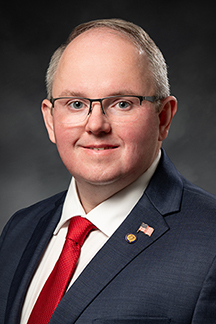
Bill Bell
100% support rate
Top opponent
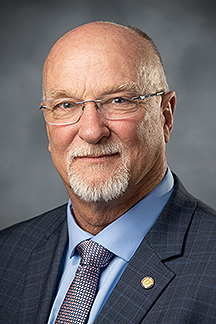
George Street
0% support rate
Ranked legislators
10
5 support · 5 oppose
Key legislators

Who's moving substance abuse in West Virginia

Legislators moving substance abuse in West Virginia
Legislator Party Stance Support rate Votes
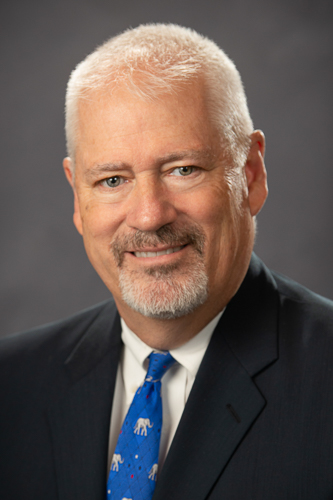
Bill Bell
Bill Bell House · District 8
R
Strong +
100% 4
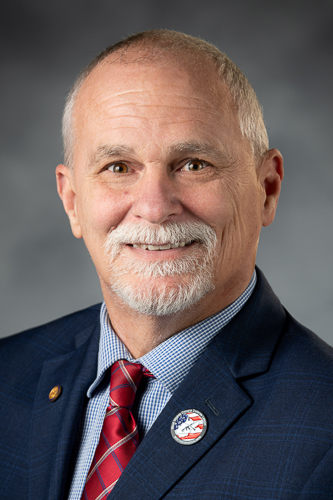
Bill Roop
Bill Roop House · District 44
R
Strong +
100% 4
Chris Phillips
Chris Phillips House · District 68
R
Strong +
100% 4
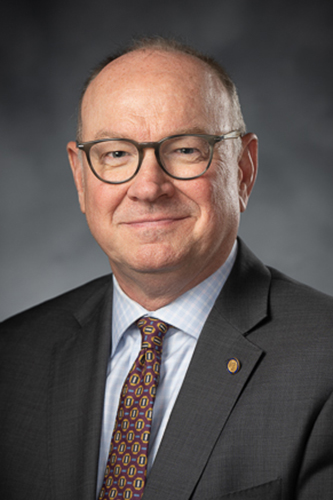
Chuck Horst
Chuck Horst House · District 95
R
Strong +
100% 4
Dave McCormick
Dave McCormick House · District 82
R
Strong +
100% 4
George Street
George Street House · District 83
R
Strong −
0% 4
Marty Gearheart
Marty Gearheart House · District 37
R
Strong −
0% 4
Michael Amos
Michael Amos House · District 27
R
Strong −
0% 3
Adam Vance
Adam Vance House · District 35
R
Oppose
25% 4
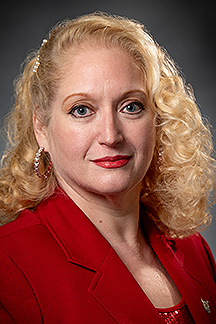
Betsy Kelly
Betsy Kelly House · District 9
R
Oppose
25% 4
Showing 31–39 of 39 bills

All healthcare bills

vetoed · West Virginia · House of Delegates Apr 2, 2026

HB 4626: Relating to the establishment of a grant program to fund the United States Food and Drug Administration’s drug development trials with ibogaine

HB 4626 establishes a West Virginia grant program to fund U.S. Food and Drug Administration (FDA) drug development trials using ibogaine, a substance being studied for treating opioid use disorder and other neurological/mental health conditions. The program requires applicants (e.g., pharmaceutical companies or research organizations) to demonstrate capacity to conduct FDA trials, secure approval for ibogaine as a medication, and commit to establishing a state presence, securing insurance coverage, and ensuring treatment access for uninsured patients. Applicants must submit detailed trial designs, safety protocols, and plans for intellectual property rights and post-approval implementation, with grants administered through a state selection committee. The bill does not approve ibogaine but aims to accelerate its development pathway through state-funded trials.
in committee · West Virginia · Senate Jan 21, 2026

SB 565: Requiring PEIA and other health insurance providers to provide payment parity for certain services

SB 565 requires West Virginia's Public Employees Insurance Agency (PEIA) and other health insurance providers to pay behavioral health, mental health, and substance use disorder providers the same rate as medical/surgical providers for comparable services. This applies to licensed practitioners (e.g., psychologists, counselors) who submit claims with standard diagnostic codes, provider IDs, and facility details. Insurers cannot reduce physician reimbursements to comply with this rule or apply stricter non-quantitative limits to behavioral health care than to medical care. The bill directly affects behavioral health providers by ensuring equal payment for services previously subject to lower reimbursement rates.
in committee · West Virginia · House of Delegates Jan 26, 2026

HB 4826: Relating to petition for involuntary treatment for drug and alcohol abuse

HB 4826 establishes a legal process for involuntary treatment of individuals with substance use disorders in West Virginia. It directly affects people who meet strict criteria (having a substance use disorder, posing an imminent danger to self/others, and likely benefiting from treatment) and their family members or friends who file petitions. Key provisions require verified petitions from petitioners (like spouses or relatives) guaranteeing treatment costs, court hearings within 72 hours, and medical evaluations by qualified professionals before ordering 60-day or 360-day treatment. The bill also creates a 72-hour emergency hospitalization option for immediate danger, requiring court approval based on strong evidence. All procedures must follow specific court oversight to protect patient rights.
in committee · West Virginia · House of Delegates Jan 15, 2026

HB 4336: relating to standards for a medication-assisted treatment program.

HB 4336 sets new operational standards for medication-assisted treatment (MAT) programs in West Virginia. It requires all MAT programs to have a licensed medical director who meets specific training and practice requirements, and mandates qualified counseling staff with defined certifications (e.g., licensed psychiatrists, certified addiction counselors). Programs must follow new billing rules, including obtaining written insurance denial before charging patients directly for treatment, and must document patient insurance status. These requirements apply to all MAT programs seeking state licensing or Medicaid enrollment.
in committee · West Virginia · Senate Feb 6, 2026

SB 589: Relating to recovery residences

Senate Bill 589 removes the mandatory certification requirement for recovery residences in West Virginia. It eliminates the need for these facilities - drug- and alcohol-free housing supporting individuals in substance use disorder recovery - to obtain a "certificate of compliance" from the Department of Human Services. The bill amends relevant code sections to delete the registration process while retaining definitions and other provisions. This change directly affects recovery residences and their operators by reducing regulatory requirements. The policy shift focuses on deregulation rather than altering the operational standards for these facilities.
Sub-Topics Substance Abuse
in committee · West Virginia · Senate Jan 14, 2026

SB 36: Making syringe exchange services programs unlawful

Senate Bill 36 makes syringe exchange programs illegal in West Virginia, prohibiting any program where individuals can access sterile needles without a prescription. It requires all existing syringe exchange programs to cease operations by the bill's effective date, with a 120-day transition period allowed only for referrals to treatment - no syringes may be exchanged during this time. Harm reduction services like overdose prevention education, wound care, and opioid antagonist distribution remain permitted, provided they do not include syringe exchanges. Violators face civil penalties of up to $2,500 per day, and the state health office can seek court orders to enforce the law.
in committee · West Virginia · Senate Jan 20, 2026

SB 515: Requiring drug testing for individuals receiving office-based medication-assisted treatment

SB 515 requires drug testing for individuals enrolled in office-based medication-assisted treatment (MAT) programs for substance use disorders in West Virginia. It mandates an initial comprehensive test upon admission, followed by direct observation screening tests every two weeks for six weeks during early treatment, every 45 days for one year during stabilization, and every six months during maintenance. Providers may request additional testing for compliance, with unexpected results requiring confirmatory testing. This bill directly affects patients in MAT programs and their healthcare providers, establishing specific testing schedules under the state's treatment licensing rules.
Sub-Topics Substance Abuse
in committee · West Virginia · House of Delegates Jan 21, 2026

HB 4699: To create the Substance Abuse Recovery Tax Credit

HB 4699 creates a tax credit for West Virginia employers who hire individuals participating in substance abuse recovery programs. It directly affects employers (with 1-100+ employees) and qualified individuals who are in good standing with a drug court program, working at least 120 hours monthly at minimum wage, and not displacing existing workers. Employers can claim a credit of up to $2,000 per eligible employee annually (capped at $14,000 total per business), based on their employee count (e.g., businesses with 1-10 employees can claim for 1 person). The credit requires annual application, verification of employee eligibility, and confidentiality protections for personal health information, with unused credits not carrying over.
in committee · West Virginia · Senate Jan 14, 2026

SB 212: Creating Whistleblower Protection Fund Act

SB 212 creates a Whistleblower Protection Fund to support public awareness campaigns encouraging the reporting of unethical or illegal practices in clinical inpatient medical treatment centers, office-based medication-assisted treatment programs, and opioid treatment programs. The fund, administered by the Office of the Inspector General, will be financed through legislative appropriations, donations, public health grants, and other sources. It requires the Office of the Inspector General to run advertising campaigns (including social media, materials, and ads) promoting whistleblower protections and to report annually on campaign activities, report volumes, and outcomes to the Joint Standing Committee on Health. This bill directly affects healthcare facilities covered under the law and aims to reduce retaliation against whistleblowers while improving patient safety.
Showing 31 to 39 of 39 bills
Previous 1 2 3 4