Issue · Healthcare

Healthcare

Every healthcare bill, vote, and legislator stance in West Virginia, automatically classified by Maddy, our AI policy reader.

Total bills
369
2026 Regular Session
Top supporter
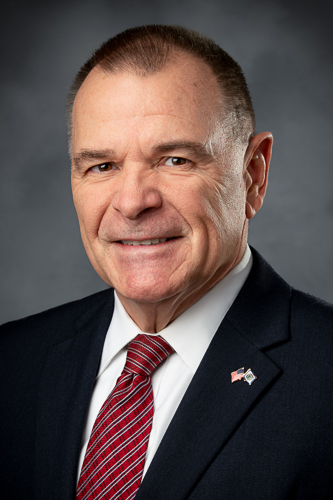
Bill Roop
92% support rate
Top opponent
Corby Dillon
25% support rate
Ranked legislators
10
5 support · 5 oppose
Key legislators

Who's moving healthcare in West Virginia

Legislators moving healthcare in West Virginia
Legislator Party Stance Support rate Decisive votes
Bill Roop
Bill Roop House · District 44
R
Strong +
92% 12
Chris Phillips
Chris Phillips House · District 68
R
Strong +
92% 12
Doug Smith
Doug Smith House · District 39
R
Strong +
92% 12
Elliott Pritt
Elliott Pritt House · District 50
R
Strong +
92% 12
Geno Chiarelli
Geno Chiarelli House · District 78
R
Strong +
92% 12
Corby Dillon
Corby Dillon House · District 29
R
Oppose
25% 12
Marty Gearheart
Marty Gearheart House · District 37
R
Oppose
33% 9
Shawn Fluharty
Shawn Fluharty House · District 5
D
Oppose
40% 10
Bill Ridenour
Bill Ridenour House · District 100
R
Mixed −
42% 12
Buck Jennings
Buck Jennings House · District 84
R
Mixed −
42% 12
Showing 101–110 of 369 bills

All healthcare bills

passed · West Virginia · Senate Feb 25, 2026

SB 795: Permitting parents and guardians to pay for independent medical evaluation of child in protective custody

SB 795 allows parents, guardians, or custodians to pay for an independent medical evaluation of their child when the child is in temporary protective custody due to emergency medical needs. This bill explicitly clarifies that parents cannot be denied the right to obtain such an evaluation at their own expense, addressing a gap in current law. It directly affects families whose children are held in protective custody for medical reasons, ensuring they can seek a second medical opinion if desired. The key provision amends existing law to state this right clearly, without changing custody decisions or medical treatment requirements.
in committee · West Virginia · House of Delegates Feb 5, 2026

HB 5238: Screening for adverse childhood experiences

House Bill 5238 requires all health insurance plans in West Virginia (both public and private) to cover screening for adverse childhood experiences during routine preventative child wellness visits. For children without health insurance, the State Department of Education must create school-based screening programs through local schools. The bill defines adverse childhood experiences as traumatic events in childhood that increase the risk of chronic health conditions like obesity, heart disease, and respiratory illness. This law directly affects health insurance providers and school systems by mandating accessible screenings to address early childhood trauma.
Sub-Topics Insurance Tags Children
in committee · West Virginia · House of Delegates Feb 10, 2026

HJR 38: To modify the threshold for emergency services levies.

HJR 38 proposes a constitutional amendment in West Virginia to lower the voter approval threshold for emergency services levies - from 60% to 50% - for funding fire and emergency medical services. This change would directly affect local communities seeking to pass these levies, making it easier to secure voter approval for critical emergency service funding. The bill modifies Article X, Section 10 of the West Virginia Constitution, which currently requires 60% voter support for such levies. If approved, the amendment would require only a simple majority (50%) for passage, though levies would still need voter approval and could not exceed existing tax rate limits. The resolution is pending in the House Judiciary Committee after introduction on February 10, 2026.
Tags Public Safety
in committee · West Virginia · House of Delegates Feb 3, 2026

HB 5093: Permitting certain felons to work in licensed behavioral health facilities

HB 5093 allows individuals convicted of nonviolent felonies to work in licensed behavioral health facilities after completing their criminal sentences, provided they meet conditions set by new rules. The West Virginia Department of Health must create these rules for legislative approval, focusing on patient and staff safety while not overriding existing professional licensing requirements under Chapter 30. The bill directly affects formerly incarcerated individuals seeking employment in this sector and facilities that hire them. It requires specific safety-focused regulations but does not change current licensing standards for regulated professions.
Sub-Topics Mental Health
in committee · West Virginia · House of Delegates Feb 11, 2026

HB 5447: Changes to the requirements for do not resusitate orders.

HB 5447 clarifies and expands do-not-resuscitate (DNR) orders in West Virginia by establishing two distinct categories: DNR-CCA (comfort care arrest) and DNR-CC (comfort care). DNR-CCA allows patients to receive all medical treatments - including diagnostics and life-sustaining therapies - until cardiac arrest, after which CPR is not performed. DNR-CC focuses solely on comfort care, with all life-prolonging treatments (like CPR, mechanical ventilation, and antibiotics) withheld while ensuring pain management and palliative support. The bill requires hospitals and healthcare facilities to update their internal policies to reflect these two categories, directly affecting patients, physicians, and healthcare providers involved in end-of-life care decisions.
in committee · West Virginia · House of Delegates Feb 16, 2026

HB 5585: Relating to authorizing the use of Revenue Shortfall Reserve Funds for public health emergencies.

HB 5585 would expand access to West Virginia's Revenue Shortfall Reserve Fund to cover public health emergencies. It specifically authorizes the Governor to draw from this fund to support public service districts and water board improvements in counties designated as being in a public health emergency. The bill amends existing law to explicitly include public health emergencies as a valid reason for using the reserve fund, alongside natural disasters or revenue shortfalls. This change would directly affect designated counties by providing funding for essential public health infrastructure during emergencies.
Sub-Topics Revenue Public Health
in committee · West Virginia · House of Delegates Feb 2, 2026

HB 5057: To create the Rural Mobile Health and Mental Health Access Act.

HB 5057 creates the Rural Mobile Health Services Program to expand access to essential health and mental health care in West Virginia's rural and underserved areas. The bill authorizes the Department of Health to award grants to eligible providers like community health centers, schools, and local health departments for mobile clinics and telehealth services. Grant funds cover mobile unit costs, telehealth technology, and staffing for services including primary care, mental health, and school-based health clinics. Applications that demonstrate collaboration between health departments, schools, or local governments receive priority for funding.
in committee · West Virginia · House of Delegates Feb 3, 2026

HB 5153: To provide for the coordination of programs to prevent and treat obesity

This bill requires health insurance plans in West Virginia to cover GLP-1 class medications when a patient has a valid prescription. It directly affects patients prescribed these medications (used for conditions like obesity and type 2 diabetes) and insurance companies providing coverage. The key provision mandates that insurers must cover these medications without additional restrictions beyond a valid prescription. This policy change aims to improve access to a specific medication class by guaranteeing insurance coverage.
Sub-Topics Insurance
in committee · West Virginia · House of Delegates Feb 9, 2026

HB 5330: Allow expedited partner treatment for bacterial vaginitis

HB 5330 allows healthcare providers in West Virginia to give medication directly to sexual partners of patients diagnosed with bacterial vaginitis or trichomoniasis (a type of vaginal infection), when the partner cannot or is unlikely to seek care themselves. The bill expands existing "expedited partner therapy" rules to include these specific infections, using antibiotics like metronidazole (Flagyl) and clindamycin cream. Providers must counsel patients and provide written materials about seeking medical care, and the partner must have been exposed within the last 60 days. This directly affects healthcare professionals, patients with these infections, and their sexual partners who face barriers to accessing treatment. The bill aims to improve treatment access for partners without requiring them to visit a clinic.
Sub-Topics Primary Care
in committee · West Virginia · House of Delegates Feb 12, 2026

HB 5482: Protecting patient access to clinician-administered medications.

HB 5482 protects patient access to clinician-administered medications by prohibiting health insurers and pharmacy benefit managers from interfering with coverage. It stops insurers from refusing payment for these medications when medical necessity is met, charging extra fees beyond standard cost-sharing, or forcing patients to use specific pharmacies. The bill ensures patients can receive these medications directly from their chosen provider or pharmacy, without penalty, while allowing insurers to maintain standard cost-sharing and medical necessity requirements. It directly affects patients, healthcare providers, and insurers by clarifying coverage rules for medications requiring professional administration in clinical settings.
Sub-Topics Prescription Drugs
Showing 101 to 110 of 369 bills
Previous 1 … 10 11 12 … 37 Next