Issue · Healthcare

Healthcare

Every healthcare bill, vote, and legislator stance in West Virginia, automatically classified by Maddy, our AI policy reader.

Total bills
369
2026 Regular Session
Top supporter
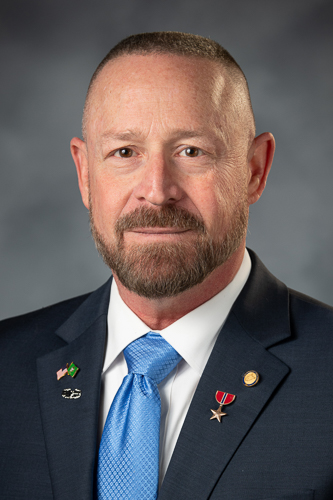
Bill Roop
92% support rate
Top opponent
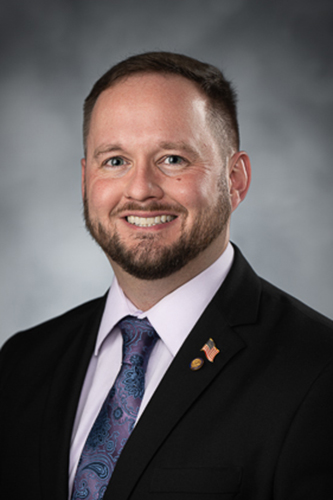
Corby Dillon
25% support rate
Ranked legislators
10
5 support · 5 oppose
Key legislators

Who's moving healthcare in West Virginia

Legislators moving healthcare in West Virginia
Legislator Party Stance Support rate Decisive votes
Bill Roop
Bill Roop House · District 44
R
Strong +
92% 12
Chris Phillips
Chris Phillips House · District 68
R
Strong +
92% 12
Doug Smith
Doug Smith House · District 39
R
Strong +
92% 12
Elliott Pritt
Elliott Pritt House · District 50
R
Strong +
92% 12
Geno Chiarelli
Geno Chiarelli House · District 78
R
Strong +
92% 12
Corby Dillon
Corby Dillon House · District 29
R
Oppose
25% 12
Marty Gearheart
Marty Gearheart House · District 37
R
Oppose
33% 9
Shawn Fluharty
Shawn Fluharty House · District 5
D
Oppose
40% 10
Bill Ridenour
Bill Ridenour House · District 100
R
Mixed −
42% 12
Buck Jennings
Buck Jennings House · District 84
R
Mixed −
42% 12
Showing 91–100 of 369 bills

All healthcare bills

in committee · West Virginia · House of Delegates Feb 16, 2026

HB 5610: Authorizing Monitoring Devices in Long-term Care Facilities

HB 5610, titled the "Granting Relatives Access to Monitor Act" (GRAM'S Act), allows residents of West Virginia long-term care facilities (such as nursing homes) or their authorized representatives (like guardians or attorneys in fact) to install electronic monitoring devices (cameras or audio recorders) in their rooms. To do so, the resident or representative must pay for the device and installation (excluding electricity), complete a facility-provided form, and obtain consent from other residents sharing the room. The bill requires facilities to provide consent forms and prohibits unauthorized monitoring, with violations treated as license violations subject to criminal penalties. This directly affects residents seeking monitoring for safety, their families, and long-term care facilities managing these requests.
Sub-Topics Long-Term Care
in committee · West Virginia · Senate Feb 11, 2026

SJR 20: Fire and Emergency Services Excess Levy Majority Approval Amendment

This bill proposes a constitutional amendment to lower the voter approval threshold for local tax increases dedicated exclusively to fire protection or emergency medical services. Currently, most local tax hikes require 60% voter approval, but this amendment would allow such increases to pass with a simple majority (50% plus one vote) instead. The change would apply only to fire and EMS funding, with strict limits: increases could not exceed 50% over current rates, would last no longer than three years, and would require separate voter approval each time. This aims to streamline funding for critical emergency services while maintaining higher approval standards for other local tax increases.
Tags Public Safety
in committee · West Virginia · House of Delegates Feb 5, 2026

HB 5266: Requiring West Virginia Medicaid managed care organizations to contract with any otherwise qualified provider

HB 5266 requires West Virginia Medicaid managed care organizations to contract with any qualified hospital, doctor, behavioral health provider, or other provider who meets all licensing, Medicaid enrollment, and credentialing requirements. It mandates that these providers must be offered the same reimbursement rates and contract terms as comparable providers already in the network. The bill applies directly to Medicaid managed care organizations and providers seeking to join their networks, ensuring they cannot exclude qualified providers based on arbitrary criteria. This would create a more open system for providers to participate in West Virginia's Medicaid program.
in committee · West Virginia · House of Delegates Feb 9, 2026

HB 5108: To fund the Tobacco Use Cessation Initiative

HB 5108 creates a dedicated "Tobacco Cessation Initiative Program Special Revenue Account" managed by the Bureau for Public Health to fund tobacco use cessation programs. It mandates an annual transfer of $5 million from interest earned on the Revenue Shortfall Reserve Fund - Part B to this account, starting July 30, 2026. The funds are specifically designated for tobacco cessation initiatives and must be used as outlined in the bill, with balances carrying over annually. This directly affects the Bureau for Public Health, which administers the programs funded by these dedicated resources.
Sub-Topics Revenue Public Health
in committee · West Virginia · Senate Feb 16, 2026

SB 946: Relating to hospital facility fee oversight

SB 946 prohibits most health care providers from charging facility fees for outpatient services, except for services on a hospital campus, at facilities with licensed emergency departments, or for emergency care at freestanding emergency facilities. It specifically bans facility fees for outpatient evaluation services and certain diagnostic/imaging services identified annually by the West Virginia Insurance Commission. The bill requires hospitals, health systems, and freestanding emergency facilities to submit detailed annual reports to the Commission - including revenue data, patient visits, and top procedures - published publicly online. These reports aim to increase transparency about facility fee practices, with the Commission authorized to create rules and impose fines for noncompliance. The law directly affects hospitals, health systems, and freestanding emergency facilities that previously charged these fees.
Sub-Topics Hospitals
in committee · West Virginia · Senate Feb 5, 2026

SB 767: Creating needs-based assessment for EMS

SB 767 establishes a new system for distributing West Virginia's emergency medical services (EMS) funding based on actual community needs rather than equal shares. The bill requires the state health department to conduct a biennial assessment evaluating factors like call volume, response times, financial stability, rural service gaps, and equipment shortages across all EMS agencies. Funding priorities will then target areas with high call volumes, slow response times, personnel shortages, or coverage deficits in rural and underserved communities. The law includes safeguards to prevent arbitrary funding cuts and mandates annual reports to the legislature detailing assessment results and funding allocations. This replaces the current equal-funding approach with a data-driven method to ensure resources reach the most critical areas.
Tags Public Safety
in committee · West Virginia · House of Delegates Feb 3, 2026

HB 5092: Relating to certification of a patient’s eligibility for medical cannabis

HB 5092 clarifies definitions and eligibility rules for West Virginia's medical cannabis program. It revises the definition of "patient" to require a serious medical condition, meeting certification requirements, and state residency, while updating terms like "certified medical use" and "caregiver." The bill focuses on standardizing terminology in existing law rather than changing who qualifies for medical cannabis. It does not establish new eligibility criteria or alter access for current patients. This definitional update aims to improve consistency in how the program's rules are applied.
in committee · West Virginia · House of Delegates Feb 5, 2026

HB 5242: State Living Donor Protection Act

HB 5242, the State Living Donor Protection Act, prohibits West Virginia insurers from denying or limiting life insurance, major medical coverage, disability insurance, or long-term care insurance based solely on a person's status as a living organ donor. It directly affects living organ donors who might otherwise face coverage denials, premium increases, or policy cancellations due to their donation status. The bill bans insurers from refusing coverage, requiring donors to forgo organ donation as a condition of coverage, or discriminating in policy terms solely because of donation status. These protections apply to all insurers offering such policies in West Virginia, ensuring donors are not penalized for their life-saving actions.
in committee · West Virginia · Senate Feb 11, 2026

SB 914: Increasing taxes on tobacco products

SB 914 increases taxes on all tobacco products, including cigarettes, cigars, chewing tobacco, and electronic smoking devices (like e-cigarettes and vape pens), which are now explicitly defined in the law. It repeals existing tax discounts and removes exemptions for certain products, directly affecting tobacco manufacturers, retailers, and consumers through higher prices. The bill dedicates 10% of the additional tax revenue to West Virginia’s Tobacco Prevention program. This is a direct policy change to raise revenue and fund prevention efforts, with no mention of specific tax rates or additional restrictions beyond taxation.
Sub-Topics Revenue
in committee · West Virginia · Senate Feb 6, 2026

SB 822: Revising gold card process to include hospitals or department hospitals

Senate Bill 822 (SB 822) revises West Virginia's "gold card" program, which grants healthcare providers expedited approval for certain services without prior authorization. The bill expands eligibility to include hospitals and department hospitals (state-run hospitals), revises qualification criteria, and extends the gold card's validity period. It also requires the Office of the Insurance Commissioner to standardize the process, permits providers to request performance data used in gold card decisions, and increases civil penalties for violations. This bill directly affects healthcare providers participating in the state's public employees insurance program by streamlining authorization processes and clarifying requirements.
Showing 91 to 100 of 369 bills
Previous 1 … 9 10 11 … 37 Next