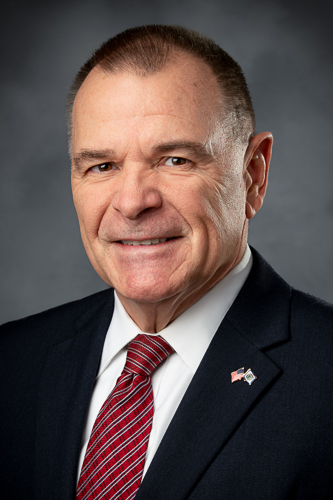
Key legislators
Who's moving healthcare in West Virginia
Showing 4 of 4
bills
All healthcare bills
HB 4196 requires licensed medication-assisted treatment (MAT) programs in West Virginia to offer long-acting reversible contraception (LARC), such as IUDs or implants, to patients receiving methadone or suboxone for substance use treatment. This applies to all facilities providing these services under the state's licensing framework, adding it as a standard requirement to existing operational rules. The bill directly affects MAT facilities, which must now integrate LARC options into their care protocols, and patients using methadone or suboxone at these locations. It creates a concrete policy change by mandating access to these contraceptive methods without requiring additional patient steps.
This bill allows doctors in West Virginia to legally prescribe, distribute, and market specific forms of psilocybin once the FDA approves it and the DEA reschedules it. It amends state pharmacy laws to remove barriers for FDA-approved crystalline polymorph psilocybin products, aligning state regulations with federal decisions. The law applies only to pharmaceutical compositions of psilocybin that meet federal approval standards, not to raw or unapproved forms of the substance. Healthcare providers and pharmacies would be able to handle these medications under existing prescription drug frameworks once federal requirements are met.
HB 5074 changes how revenue from West Virginia's medical cannabis program is allocated. For fiscal year 2026, it directs $3 million to the Supreme Court for a child protection pilot, $10 million each to West Virginia University and Marshall University for ibogaine research, and $5 million to homelessness services, with remaining funds reverting to general revenue. Starting July 1, 2026, annual allocations will be: 15% to the Medical Cannabis Bureau for administration, 15% to the Department of Agriculture for cannabis testing, and 45% split among the Fight Substance Abuse Fund (20%), university research (10% each to Marshall and WVU), a Child Protection Commission (10%), and law enforcement training programs (40%). These changes apply to ongoing revenue from medical cannabis taxes, not new taxes or fees.
This bill prohibits the distribution or prescription of "abortifacients" (drugs intended to cause abortion) within West Virginia. It directly affects licensed medical professionals (like doctors and pharmacists) and anyone distributing such drugs, with violations carrying felony penalties (3-10 years imprisonment) for non-professionals and potential license revocation for medical providers. Key provisions include banning the mailing, sale, or dissemination of abortifacients without a valid prescription, requiring medical professionals to attest to compliance, and creating a civil lawsuit option for affected parties. The law includes exceptions for medical emergencies - defined as situations where an abortion is necessary to prevent serious risk of death or life-threatening impairment to the patient.