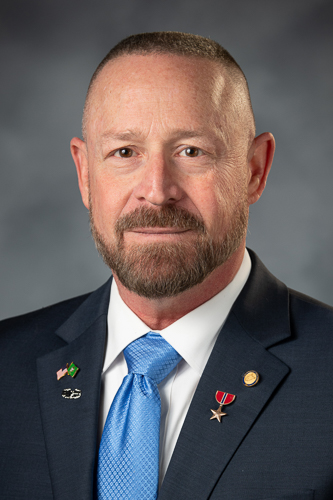
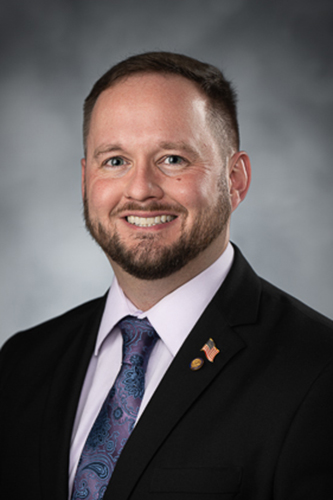
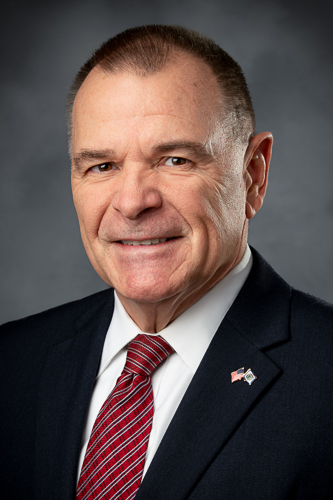
Key legislators
Who's moving healthcare in West Virginia
Showing 4 of 4
bills
All healthcare bills
HB 5022 expands the annual review of healthcare reimbursement rates to include additional programs beyond the current four (Intellectual and Developmental Disabilities Waiver, Aged and Disabled Waiver, Personal Care Services, and Traumatic Brain Injury Waiver). The bill requires the Bureau for Medical Services to annually study provider costs - including inflation, staffing expenses, and contract changes - and compare rates with similar programs in other states. Providers must submit financial data to support these reviews, and the bureau must report findings and rate adjustment recommendations to the Joint Committee on Finance each year. This change directly affects healthcare providers serving Medicaid waiver program participants in West Virginia.
HB 4474 extends the expiration date of West Virginia's Alzheimer's Disease and Other Dementia Advisory Council, which was scheduled to sunset. The bill prevents the council from automatically dissolving by renewing its operational period. The council, composed of 15 voting members (including people with dementia, caregivers, healthcare providers, and researchers) and 5 nonvoting government representatives, examines dementia care needs, reviews state services, and assesses healthcare capacity. It does not create new policies but ensures the council can continue its work on dementia-related issues. This procedural bill affects only the council's continued operation, not direct service recipients.
HB 4089, known as "Jessica Huffman's Law," requires health insurers in West Virginia to cover scalp cooling systems for patients undergoing cancer chemotherapy starting January 1, 2027. The bill mandates that any insurance policy covering chemotherapy must include coverage for these devices - described as tools to prevent hair loss during treatment - as defined by Medicare and Medicaid. This applies to policies issued or renewed after 2026, with coverage subject to standard deductibles and coinsurance like other medical benefits. The law directly affects cancer patients seeking hair preservation and insurers offering chemotherapy coverage.
HB 4626 establishes a West Virginia grant program to fund U.S. Food and Drug Administration (FDA) drug development trials using ibogaine, a substance being studied for treating opioid use disorder and other neurological/mental health conditions. The program requires applicants (e.g., pharmaceutical companies or research organizations) to demonstrate capacity to conduct FDA trials, secure approval for ibogaine as a medication, and commit to establishing a state presence, securing insurance coverage, and ensuring treatment access for uninsured patients. Applicants must submit detailed trial designs, safety protocols, and plans for intellectual property rights and post-approval implementation, with grants administered through a state selection committee. The bill does not approve ibogaine but aims to accelerate its development pathway through state-funded trials.