Issue · Education

Education (School Choice)

Every education bill, vote, and legislator stance in West Virginia, automatically classified by Maddy, our AI policy reader.

Total bills
31
2026 Regular Session
Top supporter
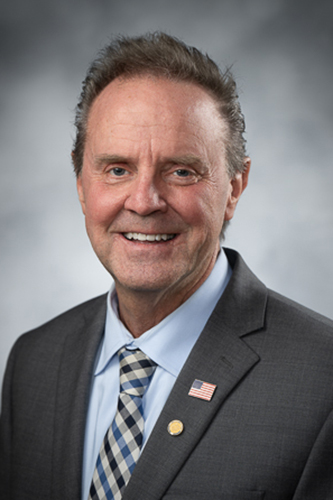
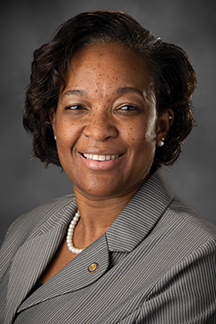
Dana Ferrell
100% support rate
Top opponent
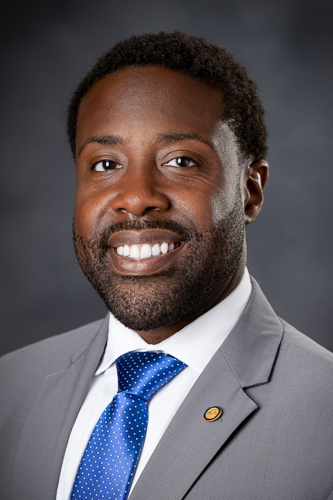
Sean Hornbuckle
0% support rate
Ranked legislators
10
5 support · 5 oppose
Key legislators

Who's moving school choice in West Virginia

Legislators moving school choice in West Virginia
Legislator Party Stance Support rate Votes
Dana Ferrell
Dana Ferrell House · District 60
R
Strong +
100% 6
David Cannon
David Cannon House · District 89
R
Strong +
100% 6
Erica Moore
Erica Moore House · District 15
R
Strong +
100% 6
Jordan Bridges
Jordan Bridges House · District 33
R
Strong +
100% 6
Mark Dean
Mark Dean House · District 34
R
Strong +
100% 6
Sean Hornbuckle
Sean Hornbuckle House · District 25
D
Strong −
0% 3
Evan Hansen
Evan Hansen House · District 79
D
Strong −
17% 6
Kayla Young
Kayla Young House · District 56
D
Strong −
20% 5
Anitra Hamilton
Anitra Hamilton House · District 81
D
Oppose
33% 6
Corby Dillon
Corby Dillon House · District 29
R
Oppose
33% 6
Showing 11–20 of 31 bills

All education bills

in committee · West Virginia · Senate Jan 14, 2026

SB 171: Creating WV Released Time Education Act

SB 171 creates the West Virginia Released Time Education Act, allowing students to be excused from school for religious instruction courses. School districts must adopt policies permitting excusal for up to five hours weekly (with parental written consent), requiring sponsoring religious entities to handle transportation, liability, and attendance records without using school funds. Schools must award academic credit for these courses based solely on secular criteria like class hours, syllabus content, and instructor qualifications - excluding religious content. The bill specifies that excused time counts toward school attendance for funding and attendance requirements, and it provides legal remedies for violations.
Sub-Topics School Choice
in committee · West Virginia · Senate Jan 29, 2026

SB 170: Allowing career technical education program to be part of local high school

This bill allows county school boards participating in multicounty vocational centers to choose whether to operate career technical education (CTE) programs within local high schools instead of at centralized centers. The programs can be either state-approved (per 20 U.S.C. §2342) or locally created. It gives school boards flexibility to better serve students by bringing CTE programs closer to their home schools, without requiring withdrawal from multicounty centers. The bill does not mandate program relocation but provides a new option for program placement within existing high school structures.
introduced · West Virginia · Senate Jan 21, 2026

SB 567: Prohibiting charging Hope Scholarship students fees for extracurricular program-related services

SB 567 prohibits county and charter school boards from charging Hope Scholarship students fees for extracurricular activities, such as sports, clubs, or arts programs. It also modifies the academic requirement for students in individualized instructional programs by allowing a certified teacher to review the student's academic work annually instead of requiring standardized test scores. The bill ensures these students can access extracurricular services without additional costs while maintaining accountability through annual teacher reviews reported to county superintendents. This directly affects Hope Scholarship students and school boards managing the program in West Virginia.
in committee · West Virginia · Senate Jan 14, 2026

SB 41: Creating Standardized Testing Choice Act

West Virginia's SB 41, the "Standardized Testing Choice Act," permits students in public schools to take the Classical Learning Test (CLT) as an alternative to the ACT or SAT for college admissions and financial aid. Public colleges must accept CLT scores for admissions, and students need a minimum equivalent score of 19 (ACT scale) on the CLT or other tests to qualify for financial aid. The bill requires public school districts to offer the CLT, ACT, or SAT to students in grades 9-12 and the CLT10, Pre-ACT, or PSAT to students in grades 9-10, with districts eligible for reimbursement of related costs. This policy directly affects high school students, public colleges, and school districts across West Virginia.
failed · West Virginia · House of Delegates Mar 14, 2026

HB 4588: Relating to participating in the federal tax credit scholarship program

HB 4588 requires West Virginia's State Treasurer to participate in a federal tax credit program that allows individuals to receive tax credits for contributions to scholarship organizations. The bill mandates the Treasurer to annually identify and publish a list of qualified nonprofit scholarship organizations and eligible schools meeting federal and state requirements. Eligible schools must comply with West Virginia education laws, and students must be eligible for public school enrollment under federal criteria. Scholarship funds can cover elementary and secondary education expenses as defined by federal law, with the Treasurer accepting applications year-round for organization inclusion.
in committee · West Virginia · House of Delegates Jan 21, 2026

HB 4670: To create a pilot program that would exempt certain counties from provisions of the Education code.

HB 4670 creates a voluntary pilot program allowing West Virginia counties to opt out of the state's standard education funding formula and certain education code requirements. Participating counties would receive a fixed block grant equal to their current funding and gain control over staffing, salaries, class sizes, testing (including optional SAT/ACT), graduation requirements, and school calendars. The program excludes counties recently taken over by the state board or declared financially distressed, and requires a 2028 report to the Legislative Oversight Commission on Education Accountability. This bill directly affects participating counties by shifting decision-making authority from state mandates to local control over education operations.
in committee · West Virginia · House of Delegates Jan 29, 2026

HB 4952: Related to the establishment of the Charter School Direct Loan Program and the Charter School Credit Enhancement Program within the West Virginia Economic Development Authority

HB 4952 establishes two new financing programs within the West Virginia Economic Development Authority to support public charter schools. The Charter School Direct Loan Program provides loans for charter school facility acquisition or improvements, while the Charter School Credit Enhancement Program helps schools secure bonds by reducing financing risks. Both programs create dedicated state treasury funds (the Direct Loan Fund and Credit Enhancement Fund) managed by the Authority, with all funding sourced from charter school repayments - not state general funds. The bill explicitly states these programs do not create state debt, moral obligations, or liabilities for counties or school districts. This directly affects qualifying public charter schools seeking financing for facilities or equipment.
in committee · West Virginia · House of Delegates Jan 20, 2026

HB 4572: Rural School Flexibility & Innovation Pilot Act

HB 4572 creates a pilot program allowing West Virginia county boards to designate struggling rural public schools as "Rural Innovation Schools" to prevent closures. It provides these schools with specific flexibilities unavailable to traditional public schools, including class-size waivers, staffing flexibility (like certification exemptions and bypassing seniority rules), calendar/scheduling adjustments, budget repurposing authority, and curricular choices - while keeping them under county board governance. Schools must meet criteria like low enrollment, geographic isolation, or recent closure threats to qualify, and must enter a performance agreement with the state charter school board for three-year reviews. The program also allows schools closed within the past two years to apply for reopening under these provisions if facilities are safe and viable.
Sub-Topics School Choice Tags Rural Communities
in committee · West Virginia · House of Delegates Jan 22, 2026

HB 4720: Creating Sustaining Opportunities for Academics in Rural Schools Act

HB 4720 amends West Virginia's charter school application rules to specifically support rural schools. It requires new or converted public charter schools in rural areas to submit detailed applications including student achievement goals, plans for serving underperforming students, governance structures, and specific strategies for supporting students with disabilities and English language learners. The bill mandates 25+ application components covering enrollment plans, budgets, facility details, discipline procedures, and cocurricular programs. This directly affects rural school districts seeking to establish or convert schools into public charters under state education law. The focus is on ensuring charter schools in rural communities have concrete academic and operational plans before approval.
Sub-Topics School Choice Tags Rural Communities
in committee · West Virginia · House of Delegates Jan 26, 2026

HB 4818: Relating to providing greater access to unused public buildings for public charter schools

HB 4818 allows public charter schools in West Virginia to lease or purchase unused or underutilized public school buildings owned by county districts. It requires county superintendents to annually report all such properties - including those with enrollment below 70% capacity - to the state education department, which will maintain a public list. Charter schools may request these properties at market rate, with counties obligated to offer them before considering other uses. The bill also gives school boards a right of first refusal if a charter school later seeks to buy a property they leased.
Sub-Topics School Choice
Showing 11 to 20 of 31 bills
Previous 1 2 3 4 Next