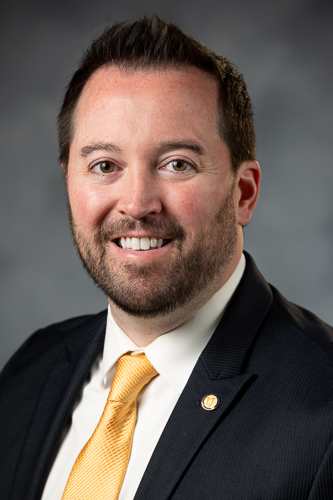
HB 5051 would amend West Virginia's Teachers Retirement System to allow Tier 2 teachers to convert their accrued annual and sick leave into additional retirement service credit. Currently, the system permits some employees to use leave for retirement benefits at a two-days-of-leave-to-one-day-of-service ratio, but Tier 2 teachers were excluded from this provision. This bill would extend that benefit to Tier 2 teachers, enabling them to earn extra retirement credit by using unused leave. The change would directly affect current and future Tier 2 teachers in West Virginia's public school system, increasing their retirement benefits through existing leave balances.
HB 5623, the Youth Mental Health Protection Act, prohibits licensed mental health providers in West Virginia from performing conversion therapy on anyone under 18. The bill specifically bans both direct conversion therapy and referrals to providers offering such services, covering clinical psychologists, social workers, school counselors, and other licensed professionals. Violations would be treated as unprofessional conduct, with first offenses resulting in written warnings and mandatory training, and repeat offenses leading to disciplinary action by licensing boards. This law directly affects minors under 18 and all mental health providers licensed in West Virginia who interact with youth clients.
SB 720 establishes the West Virginia Comprehensive Student and Family Support Act to create a coordinated system of services for students facing barriers like emotional, behavioral, or developmental challenges that risk academic failure, suspension, or out-of-home placement. It directly affects eligible students in West Virginia public schools who are at risk of dropout, exclusion, or placement, prioritizing those transitioning from juvenile justice or foster care. The bill creates a state fund to pool public resources, requires local teams to coordinate education, health, and social services, and mandates outcome tracking (like attendance and behavioral progress) through a State Oversight Office within the West Virginia Department of Education. This system aims to reduce duplication, improve educational outcomes, and ensure accountability via annual reporting and audits.
This bill establishes a process for determining which short-term workforce training programs in West Virginia qualify for federal Workforce Pell Grants. It directs the West Virginia Workforce Development Board to assess programs against federal criteria, define key terms, and require reporting from institutions offering eligible programs. The bill directly affects short-term training providers (like vocational courses or certifications) seeking federal funding to help workers access career-focused education. It creates a state-level mechanism to align local programs with federal grant requirements without changing the federal Pell Grant program itself. The summary focuses solely on the eligibility process, as described in the bill's provisions (§5B-12-1 through §5B-12-6).
HB 4595 would allow West Virginia to approve short-term job training programs for eligibility for federal Workforce Pell Grants. The bill requires the governor, working with the Workforce Development Board, to approve programs that prepare students for high-skill, high-wage, or in-demand jobs (defined as those with earnings above 150% of the federal poverty level or identified in workforce projections). It establishes state rules for program approval and ensures alignment with federal requirements. This change would directly affect short-term training programs and their students seeking federal grant support for career-focused education. The bill takes effect January 1, 2027.
Senate Bill 468 requires West Virginia's Bureau for Family Assistance to annually increase base payment rates for childcare providers starting September 2026, adjusting them based on the Consumer Price Index (inflation rate) to keep pace with rising costs. It also mandates a study beginning August 2026 on implementing performance-based contracting - where providers might earn incentives for quality outcomes like improved kindergarten readiness - and report findings to the Legislative Oversight Commission by December 15, 2026. The bill directly affects licensed childcare providers receiving state funding through the federal Child Care & Development Fund. These changes aim to improve affordability, availability, and quality of childcare services as required by federal guidelines.
HB 4086 would allow teachers who first joined West Virginia's Teachers Retirement System on or after July 1, 2015, to convert their accrued annual and sick leave into additional retirement service credit. Specifically, each day of accrued leave would count as one day of service toward their retirement benefits. This would increase the amount of retirement benefits these teachers receive based on their total credited service. The bill amends existing law to extend this benefit to newer members of the Teachers Retirement System, rather than just those who joined before 2015. The bill was introduced in the House on January 14, 2026, and referred to the Committee on Education.
SB 402 expands West Virginia's apprenticeship tax credit to $2 per hour (capped at $2,000 annually per apprentice) for wages paid to registered apprentices in construction trades, directly benefiting employers and apprentices. It creates a new West Virginia Micro-Credential Program under the Higher Education Policy Commission to support workforce training. The bill also modifies tax rules to allow deductions for contributions to and receipts from voluntary portable benefits plans, and removes proficiency exam requirements for military-trained applicants seeking professional licenses. These changes aim to increase workforce participation and simplify licensing for veterans.
SB 109 clarifies that racial discrimination under West Virginia law includes discrimination based on hair textures and protective hairstyles historically associated with specific races. The bill explicitly adds these protections to the state's human rights code, defining "protective hairstyles" to include braids, locks, and twists. It directly affects all individuals covered by West Virginia's anti-discrimination laws in workplaces, schools, and public accommodations. This amendment expands existing protections to address bias against hair styles commonly linked to Black culture, without changing other aspects of discrimination law.
SB 171 creates the West Virginia Released Time Education Act, allowing students to be excused from school for religious instruction courses. School districts must adopt policies permitting excusal for up to five hours weekly (with parental written consent), requiring sponsoring religious entities to handle transportation, liability, and attendance records without using school funds. Schools must award academic credit for these courses based solely on secular criteria like class hours, syllabus content, and instructor qualifications - excluding religious content. The bill specifies that excused time counts toward school attendance for funding and attendance requirements, and it provides legal remedies for violations.