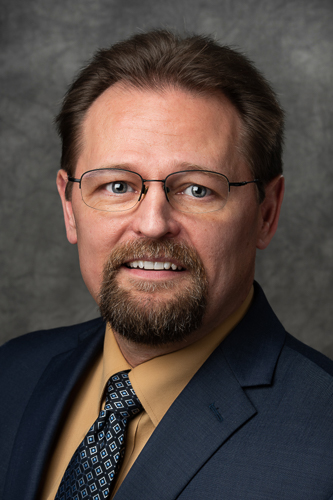
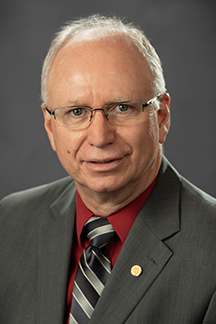
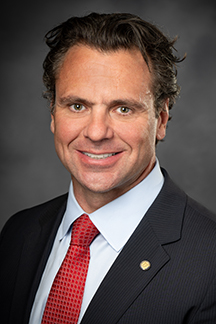
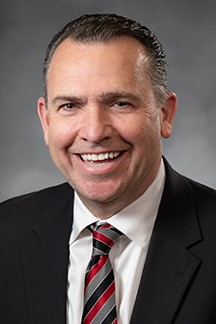
Key legislators
Who's moving budget & taxes in West Virginia
Showing 21–25 of 25
bills
All budget & taxes bills
SB 402 expands West Virginia's apprenticeship tax credit to $2 per hour (capped at $2,000 annually per apprentice) for wages paid to registered apprentices in construction trades, directly benefiting employers and apprentices. It creates a new West Virginia Micro-Credential Program under the Higher Education Policy Commission to support workforce training. The bill also modifies tax rules to allow deductions for contributions to and receipts from voluntary portable benefits plans, and removes proficiency exam requirements for military-trained applicants seeking professional licenses. These changes aim to increase workforce participation and simplify licensing for veterans.
SB 650 amends West Virginia law to define a psychiatric hospital treating exclusively civil and forensic patients (with over 95% of its inpatient census being court-ordered forensic or civil involuntary commitments from state custody) as a "state-designated facility" for tax purposes. This change excludes such hospitals from the category of "eligible acute care hospitals" subject to a 0.75% tax on gross receipts, exempting them from this tax. The bill directly affects psychiatric hospitals in West Virginia meeting this specific patient mix requirement by altering their tax classification under the Medicaid funding structure.
This bill clarifies procedures for local government bodies in West Virginia to conduct late meetings and file late reports when necessary. It also revises how reduced property tax levy rates are calculated when property appraisals result in a projected tax increase of one percent or more. The law requires these bodies to automatically reduce their levy rates proportionately to offset assessment increases, unless they hold a public hearing and demonstrate that the increase is necessary. Under the new rules, local governments can raise rates above the reduced level only if total tax revenues do not exceed the previous year's amount by more than ten percent, with specific notice requirements for public hearings. The bill directly affects county commissions and municipalities by standardizing how they handle property tax adjustments and public notification processes.
HB 4981 designates psychiatric hospitals treating exclusively civil and forensic patients (over 95% court-ordered civil/forensic cases from state custody) as "state-designated facilities" for Medicaid funding purposes. This change allows these specific hospitals to qualify for Medicaid reimbursement under federal rules, rather than being excluded as "state-designated" under current tax code. The bill amends tax provisions to ensure revenue collected from eligible hospitals (via a 0.75% tax on gross receipts) flows directly into a Medicaid funding account. It directly affects licensed psychiatric hospitals meeting the strict patient-mix criteria, enabling them to access Medicaid program funds they previously could not.
HB 4574 creates a "Temporary Shortfall Supplement Fund" to provide emergency loans (not grants) to West Virginia counties with reserve funds below 5% of available funding. It directly affects county school boards and their financial officers, allowing loans for personnel and essential operating expenses during fiscal shortfalls. Key provisions require counties to repay funds per a set timeline, implement strict financial reporting via WVEIS, adopt the State Auditor’s fiscal system within 45 days, and face penalties for "maladministration" (e.g., failing to maintain reserves or submitting inaccurate financial data), including potential job bans for responsible employees in public education finance roles for two years.