

Maddy summarySB 5757 requires Washington cities and counties using automated traffic safety cameras to conduct equity analyses before placing cameras, considering impacts on livability, accessibility, and traffic safety data like collision rates. It mandates annual public reports on camera locations, crash data, and how fine revenues are used (including costs and excess funds), with the state commission also reporting on statewide camera use and demographic impacts. The bill sets clear signage rules (30 days prior to activation), limits camera use to specific locations (excluding on-ramps), and restricts recordings to vehicle license plates without capturing faces. It applies directly to local governments operating cameras and vehicle owners receiving violation notices. The law aims to ensure transparency, equity, and accountability in automated traffic enforcement.
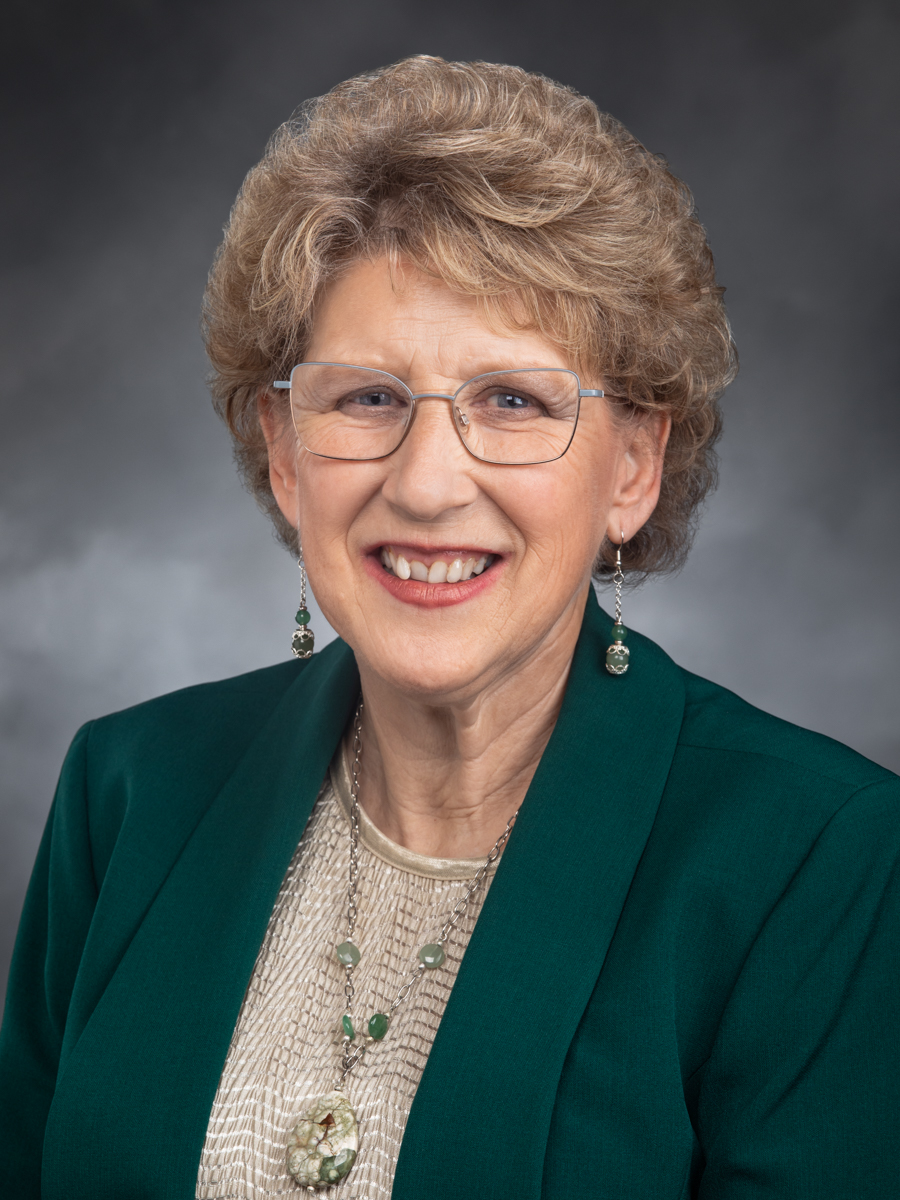
Sen. Shelly Short
Sponsored bills
Maddy summarySB 5639 creates a tuition and fee waiver at Washington's public colleges and universities for children of homicide victims who were Washington residents at the time of their parent's murder and were subject to a dependency proceeding under state law. The waiver covers all tuition and fees for up to six academic years, provided the student begins their education within 10 years of high school graduation. This expands existing tuition waivers for children of first responders and firefighters to include children of homicide victims. The bill requires annual reporting on waiver costs and mandates a state study to track educational and health outcomes for affected students.
Maddy summarySB 5778 creates a new license for maple syrup processing operations in Washington, specifically tailored for small-scale producers who use remote "sugar shacks" instead of commercial kitchens. It directly affects maple syrup producers in forested, remote areas by exempting them from standard food processing requirements like permanent plumbing or on-site water systems. Key provisions include requiring a $250 biennial permit, mandating food safety training for staff, and setting specific sanitation rules (e.g., food-grade materials, no lead solder, proper waste handling) while exempting small operations ($50k annual sales) from water testing. The bill aims to support this regional commodity by aligning regulations with maple syrup’s low-risk production process, as noted by the FDA.
Maddy summarySB 5097 requires the Washington Interscholastic Activities Association (WIAA) to establish "competitiveness rules" for girls' sports that ensure fair competition while considering physiological differences affecting athletic performance. These rules may allow excluding athletes from girls' teams if they have a significant competitive advantage due to hormone levels, but cannot require sex verification tests. The bill explicitly states that such decisions do not constitute unlawful discrimination and does not mandate ending separate boys' and girls' sports teams. The law directly affects school districts, the WIAA, and student athletes participating in Washington state high school sports.
Maddy summarySB 5429 establishes a 21-member State Building Code Council within Washington's Department of Enterprise Services, amending RCW 19.27.070. The bill specifies detailed membership requirements, including representation from local governments (county/city officials based on population size), the construction industry (13 private sector members across specialties like commercial building, green construction, and plumbing), accessibility experts, utility providers, and legislative members. Key mechanisms require members to maintain industry relevance during their terms, mandate governor appointments based on trade association nominations, and include ethics training requirements. This bill directly affects state agencies, local governments, and the construction industry by restructuring council composition and appointment processes.
Maddy summarySB 5524 creates a new "Donate Life" special license plate option for Washington vehicle owners. The bill adds this plate to the state's existing special plate program, requiring a $40 initial fee and $30 annual renewal fee. Vehicle owners who choose this plate will display a "Donate Life" logo, with fees supporting related causes as specified in the plate description. This is a procedural change that expands the current list of special license plate options without altering registration requirements or creating new administrative processes.
Maddy summaryThis bill requires Washington counties and cities to update their comprehensive plans with specific new elements. It mandates detailed housing analysis for all income levels (including low and very low-income households), explicit strategies to address racially disparate housing impacts from zoning, and anti-displacement policies like inclusionary zoning. The bill also requires land use planning to protect groundwater, mitigate wildfire risks through development standards, and coordinate capital facilities planning with housing needs. These changes apply directly to local governments managing urban growth areas and rural development zones. The bill does not alter existing housing laws but adds new requirements to local planning documents.
Maddy summarySB 5354 allows counties in Washington to stop treating gray wolves as state-endangered when specific population thresholds are met (15 statewide breeding pairs for 3 years and at least 3 breeding pairs locally). Once these criteria are satisfied, counties must notify the Department of Fish and Wildlife and enter into collaborative agreements with the department, tribes, and local stakeholders to co-manage wolves through regional plans. These plans must address livestock protection, minimize lethal wolf control, improve compensation for livestock losses, and maintain stable wolf populations. The bill directly affects rural counties, ranchers, tribes, and wildlife management, shifting wolf management from state-led to localized, cooperative efforts while preserving recovery goals.
Maddy summarySB 5645 redirects excess estate tax revenue to support community services for people with intellectual and developmental disabilities. Starting in fiscal year 2026, 50% of estate tax collections above $600 million annually must be transferred to the developmental disabilities community services account. This creates a permanent funding source to expand independent living supports, as the bill aims to address past shortfalls in reliable revenue for these services. The transfer must occur within 60 days of the state confirming revenue exceeds the $600 million threshold.
Maddy summarySB 5060 creates a state grant program to help local and tribal law enforcement agencies hire more officers and mental health responders for community safety. It provides grants covering up to 75% of entry-level salaries (capped at $125,000 per position for 36 months), requiring a 25% local cash match. Agencies must meet specific training and policy standards, including crisis intervention and trauma-informed care compliance, to qualify. The bill appropriates $100 million for this program and mandates annual reports tracking grant usage, staffing vacancies, and hiring timelines. It directly affects Washington’s local and tribal law enforcement agencies seeking to fill officer positions and improve co-response to community safety needs.