

Maddy summaryThis Senate Resolution formally acknowledges March as Developmental Disabilities Awareness Month in Washington state. It recognizes approximately 120,000 residents with intellectual and developmental disabilities and honors the families, caregivers, and service providers who support them. The resolution expresses appreciation for the inclusive community efforts that help individuals with disabilities participate fully in society. It does not create new laws or funding but serves as a symbolic gesture to raise awareness and promote inclusion.
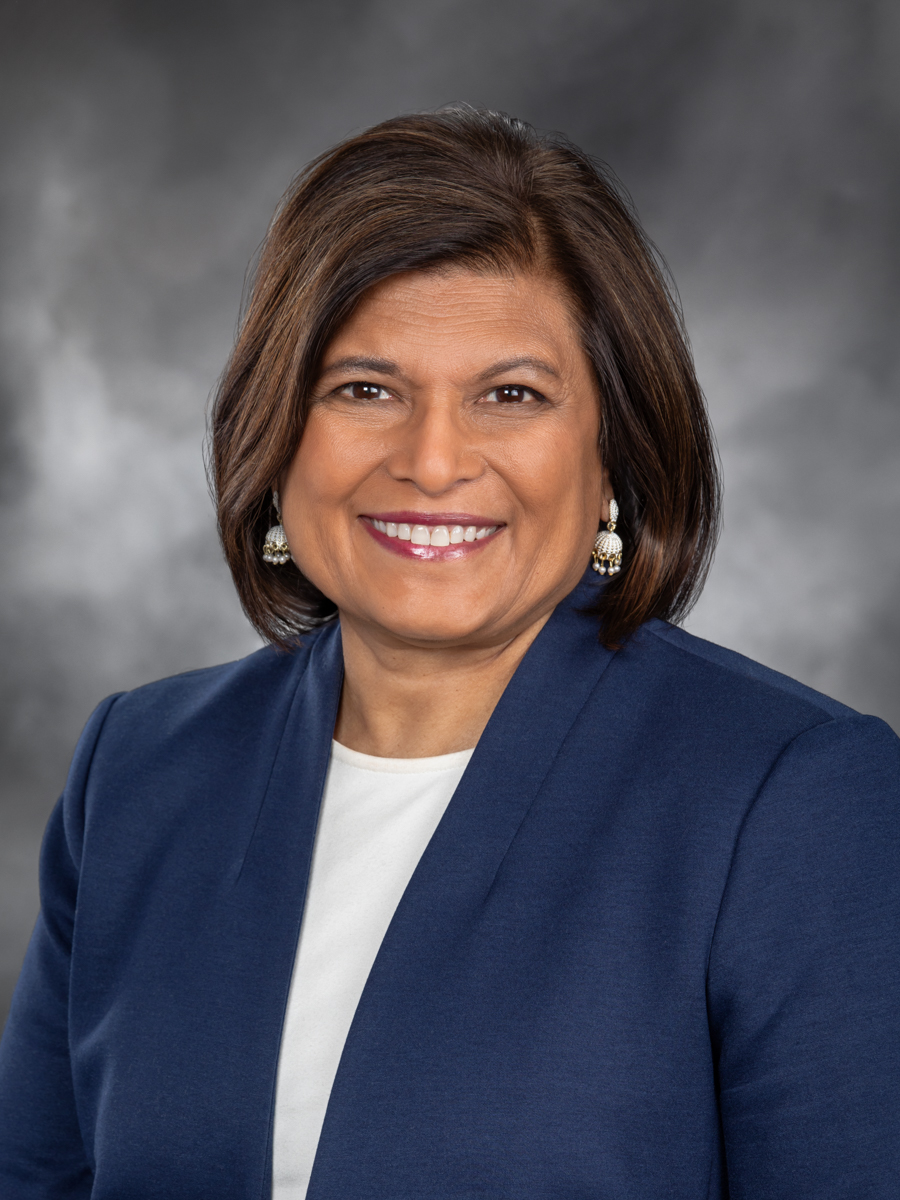
Sen. Vandana Slatter
Sponsored bills
Maddy summaryThis bill (SCR 8406) reestablishes Washington's Joint Select Committee on Civic Health, which was originally created in 2024. The committee, composed of 17 legislators (including leadership roles), will continue work started in 2024 to strengthen civic health through collaboration, civility training, and partnerships with groups like the State Legislative Leaders Foundation. It will report to the legislature before the 2027, 2028, and 2029 sessions and will expire at the start of the 2029 session. The bill does not create new laws but authorizes the committee's ongoing operations.
Maddy summaryThis Senate resolution formally recognizes the 40th anniversary of Habitat for Humanity Seattle-King and Kittitas Counties, an organization that provides affordable homeownership to low-income families. The bill highlights the nonprofit's achievements, including the construction of 458 homes, advocacy for housing policies, and mobilization of over 600,000 volunteer hours since its founding in 1986. It expresses appreciation for the organization's economic impact and community contributions while encouraging continued efforts to expand affordable housing opportunities.
Maddy summarySB 6078 creates a new program to provide prelicensing support services to individuals seeking Washington state child care licenses. The bill requires the Department of Children, Youth, and Families to offer free assistance with applications, understanding licensing rules, facility planning, and regional requirements - covering all license types including centers, family homes, and nature-based programs. It also mandates the department to develop an online resource guide detailing these supports, which cities and counties must share with applicants when they submit permit requests. The program operates within existing state resources and aims to simplify the licensing process without changing current regulatory standards.
Maddy summarySB 6089 creates a new "P20W public-private partnership account" managed by the state treasurer to improve coordination between Washington's education and workforce systems (from early learning through K-12, postsecondary, and careers). It requires contracting a nonprofit organization to help align state and private funding, develop recommendations for better data sharing, and convene a diverse advisory committee. The bill directly affects state agencies, educational institutions, and private donors by establishing a formal process to coordinate efforts and update performance metrics across the education-to-workflow system. It does not mandate state funding but provides a structure for leveraging philanthropic resources to strengthen existing initiatives. The focus is on creating a transparent system for tracking progress toward shared goals like equitable access and workforce readiness.
Maddy summarySB 6130 requires Washington public high schools to hold voter registration events for students on "National Voter Registration Day" (the third Tuesday of September, or the next Tuesday if it conflicts with a major religious holiday). It directs schools to coordinate these events in history/social studies classes for all high school students aged 16+ - with paper and online registration options - during the school day, aiming for 50,000 new youth registrations annually. County auditors may assist, and the Superintendent of Public Instruction must distribute materials, track registrations, and report yearly progress to the legislature. The bill directly affects high school students in Washington state, focusing on early voter registration sign-ups before they turn 18, not on actual voting. This is a proposed legislative measure that passed its committee review in February 2026.
Maddy summarySB 6256 creates a property tax exemption for unoccupied real estate owned by nonprofit entities that will be used for affordable housing within three years. It directly affects nonprofits planning to develop or renovate housing for households earning at or below 50% of the area median income (as defined by HUD). Key provisions require nonprofits to secure financing from specified sources (like state housing programs or affordable housing levies) and maintain at least 75% occupancy by qualifying households to qualify for full exemption. Partial exemptions apply if occupancy falls below 75%, calculated based on the proportion of qualifying units. The bill expands existing exemptions to cover unoccupied properties during development or renovation, ensuring tax relief aligns with future affordable housing use.
Maddy summarySB 6069 requires Washington cities and counties to permit permanent supportive housing, transitional housing, indoor emergency shelters, and indoor emergency housing in any zoning area where hotels or residential development is allowed, without imposing extra restrictions beyond standard residential rules. It streamlines permitting by requiring local governments to apply the same development standards (like setbacks and environmental reviews) to these housing types as other lodging, while allowing minor community notification requirements for shelters (e.g., 500-foot notice and one meeting). The bill aims to increase housing supply for people experiencing homelessness by removing regulatory barriers, but does not override restrictions on building in natural hazard zones, agricultural land, or critical areas. It directly affects local zoning decisions and housing providers seeking to expand these services in urban growth areas.
Maddy summarySB 6045 extends collective bargaining rights to agricultural employees in Washington State, placing them under the jurisdiction of the Public Employment Relations Commission (PERC) for negotiations on wages, hours, and working conditions. It directly affects farmworkers and agricultural employers, excluding supervisors, family members, and those covered by federal labor laws. The bill establishes procedures for fair bargaining, including culturally and linguistically appropriate processes to address barriers like seasonal work and language differences. It defines key terms and ensures PERC can enforce protections against employer interference in union activities.
Maddy summarySB 6010 requires the Energy Facility Site Evaluation Council to formally consult with federally recognized tribes possessing treaty-protected resources or rights before approving energy projects that could affect tribal cultural sites, sacred areas, or resources. It mandates that the council offer government-to-government consultation meetings with tribes, including arranging full council attendance when requested, and must document these discussions in reports to the governor. Tribes receive 30 days to review and comment on the council's summary of consultations before it is submitted to the governor. The bill directly affects energy facility applicants, the council, and tribes with treaty rights in project areas, adding a mandatory consultation step to the siting review process for qualifying projects like transmission lines and biofuel facilities. This change modifies existing state law to ensure tribes have early input on projects potentially impacting their reserved rights.