

Maddy summarySB 5352 ensures all Washington public school students can receive free meals daily upon request, removing previous income-based eligibility requirements. The bill directly affects every student in state public schools who seeks a meal, eliminating the need for families to qualify through income verification. Key provisions amend school funding laws to require districts to provide free meals to all requesting students, aligning with the legislature's finding that hunger should not hinder academic success. This policy change shifts meal access from a means-tested program to universal availability within public schools.
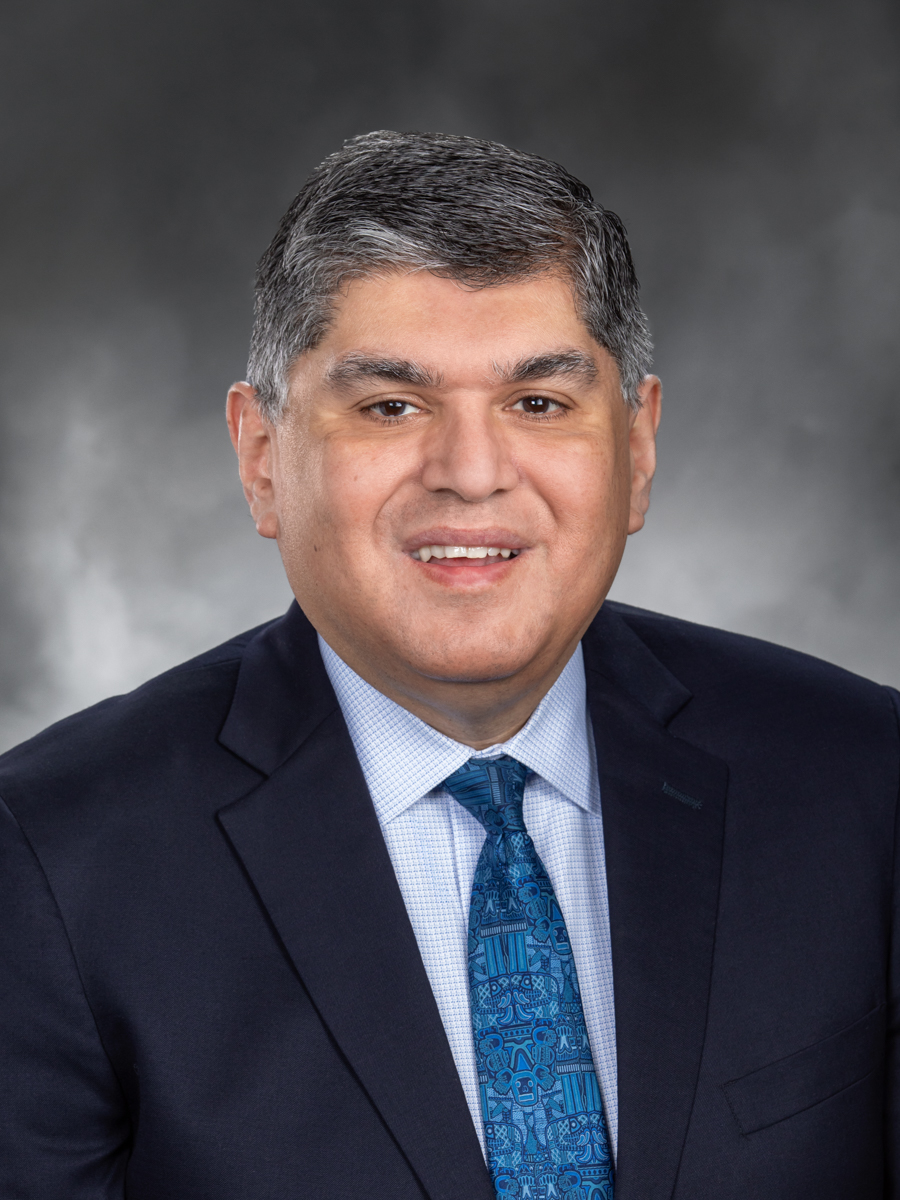
Sen. Javier Valdez
Sponsored bills
Maddy summarySB 5541 establishes a pilot program to provide $25,000 grants to eligible Washington residents born into poverty. It directly affects individuals who were born in Washington, enrolled in Medicaid before age 1, and are aged 18-35 at application. The grants can be used for education, home purchases, or starting a business through designated institutions, and are specifically structured not to count as income or assets for public assistance eligibility. The pilot will randomly select participants statewide, require financial coaching, and include impact evaluations to assess economic stability outcomes. The program aims to test whether such seed capital interrupts intergenerational poverty cycles.
Maddy summarySB 5300 modifies the leasing authority of the Washington State Parks and Recreation Commission, specifically for St. Edward State Park. The bill removes a previous 62-year maximum lease term and the requirement for a Department of Commerce study to identify viable public use before a lease could be granted at the park. Instead, it allows the commission to lease specific buildings and associated property within St. Edward State Park, such as the seminary building, pool, and gymnasium, for up to 80 years, aligning with the general maximum lease term for other state park properties.
Maddy summarySB 5684 bans political campaigning within 100 feet of county auditor election office buildings and their adjacent parking lots routinely used by voters during voting periods. It prohibits distributing campaign materials, soliciting votes, or engaging in activities that could intimidate voters near these locations. The law expands existing restrictions from voting centers to include office buildings and their parking access routes, requiring election officials to post warning signs. Violations are punishable as gross misdemeanors, but it does not restrict authorized political observers from monitoring elections.
Maddy summarySB 5666 creates a grant program to address Washington's shortage of school psychologists by funding full-time school psychology interns in public schools. School districts, charter schools, and tribal education schools can apply for grants covering 75% of interns' entry-level salaries, provided interns are enrolled in accredited programs and placed with qualified supervisors. The program aims to increase the pipeline of school psychologists by supporting internships, which research shows improves retention after three years of employment. It requires annual reporting on grant recipients, demographic data, and program outcomes starting in 2026.
Maddy summarySB 5266 allows individuals convicted of crimes before turning 18 to petition the indeterminate sentence review board for early release after reaching age 24, provided they meet specific conditions (e.g., no recent convictions or serious infractions in the prior 12 months). The bill requires the department to assess offenders 5 years before eligibility, conduct dangerousness evaluations 180 days after a petition, and prioritize hearings for those under 25 or recently transferred from juvenile custody. It also mandates victim input during hearings, allows rental vouchers for housing upon release, and limits annual petitions to 70. The law aims to align with brain development research showing youth rehabilitation potential, while maintaining public safety through structured release conditions and supervision.
Maddy summarySB 5062 would create a Washington state Child Care Workforce Standards Board to establish minimum pay and working conditions for child care workers. The board, composed of six worker and employer representatives plus parent and state agency members, would set standards for wages, safety, and other employment terms affecting all licensed child care providers and their direct care staff (excluding administrative roles). Key mechanisms include public hearings on industry conditions, rulemaking authority for minimum standards, and protections against retaliation for workers participating in the process. The bill directly impacts over 40,000 child care workers and 1,400+ licensed providers across Washington State.
Maddy summarySB 5304 expands Washington's Students Experiencing Homelessness and Foster Youth Program to include accredited tribal colleges, previously limited to public four-year institutions. The bill requires participating tribal colleges and four-year schools to provide specific supports like laundry access, housing assistance, reduced-price meals, technology resources, and case management for eligible students. It directly affects students who experienced homelessness or were in foster care upon high school graduation, ensuring they can access these services at tribal colleges meeting accreditation standards. The program also mandates annual reporting on participation and program effectiveness to the legislature.
Maddy summarySB 5069 requires Washington's Secretary of State to print and distribute a state-level voters' pamphlet before every primary election in even-numbered years and before every general election each year. The pamphlet must be mailed to every household in the state, distributed to public libraries, and made available in accessible formats like Braille or audio upon request. It also allows the Secretary to provide the pamphlet electronically or to media outlets at cost. This bill directly affects all Washington voters by ensuring consistent access to election information for statewide races and measures.
Maddy summaryThis bill changes how Washington school districts receive funding for student transportation. It requires the state to collect detailed data on transportation costs by student group - including special education, homeless students, foster care youth, and those at skill centers - and develop a new funding model by 2028. The bill specifically creates a $400 flat-rate payment per homeless student for transportation costs, based on reports submitted under existing rules. It aims to address current funding gaps that leave rural districts, urban districts, and vulnerable student populations underfunded.