

Maddy summarySB 5522 establishes a formal process for reviewing and approving capital projects on Washington's state capitol campus. It requires the State Capitol Committee to annually review proposed projects (defined as new buildings or major renovations exceeding 50% of replacement cost) and make recommendations, while expanding the committee's membership to include legislative leaders and agency representatives. The bill also creates a design subcommittee with architects and landscape experts to advise on campus aesthetics, preservation, and maintenance, ensuring campus improvements align with historic and architectural standards. This procedural bill focuses on structured management of the capitol campus, not direct policy changes affecting residents.
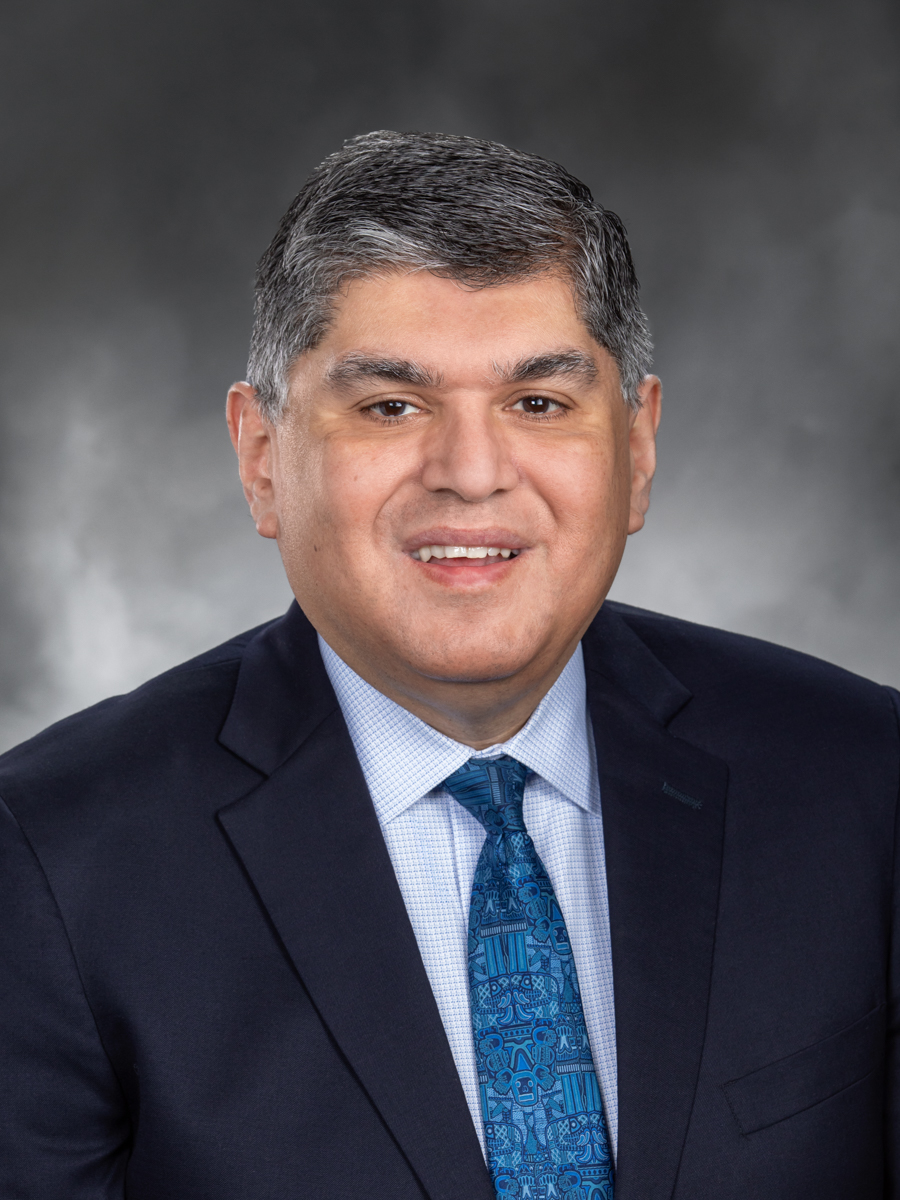
Sen. Javier Valdez
Sponsored bills
Maddy summaryWashington State's Senate Joint Memorial 8001 (SJM 8001) is a non-binding request to Congress, urging it to propose a constitutional amendment under Article V. The memorial asks Congress to seek an amendment that would grant authority to regulate campaign contributions (including size, timing, and disclosure), ban anonymous political spending, and distinguish between natural persons and artificial entities like corporations in election finance. It specifically aims to clarify that spending money isn't protected "free speech" under the First Amendment and requires timely public disclosure of all political donations. The bill does not create new laws but seeks to change constitutional interpretation regarding campaign finance rules.
Maddy summarySB 5770 creates a new state property tax exemption for Washington homeowners' primary residences, reducing taxes on a portion of their home's value. The exemption equals the greater of $100,000 or 60% of the county's median home value (updated annually), applied to state taxes only (not local taxes). Homeowners must apply yearly by April 1st with proof of residency and personal information like Social Security numbers, and it applies to all primary homes including community land trusts and cooperatives. The bill aims to prevent displacement and help middle- and fixed-income families maintain housing stability by making home ownership more affordable. This policy change directly affects homeowners who qualify as primary residents, with the exemption taking effect for taxes levied in 2028 and later.
Maddy summarySenate Bill 5798 proposes reforms to property tax relief for senior citizens, disabled persons, and certain veterans in Washington state. It expands the existing relief program by increasing the maximum valuation amounts for which eligible homeowners can receive property tax exemptions based on their income thresholds. The bill also clarifies eligibility rules, allowing exemptions to continue if a residence is temporarily unoccupied for long-term care and ensuring that cost-of-living adjustments to Social Security or SSI benefits do not disqualify applicants for 2024 property taxes.
Maddy summarySB 5332 allows cities and counties in Washington to permit at least one mobile dwelling unit (like tiny homes on wheels, travel trailers, or RVs) on residential lots that already have a home, are in urban growth areas, and have adequate utility capacity. It requires safe utility connections (water, sewer, electricity) to existing homes on the lot and bans homeowners' associations from prohibiting these units, though the rule expires in 2028. The bill does not require new construction but sets standards for how mobile dwellings must be connected to utilities and maintained to remain movable. This directly affects local governments, property owners with existing homes, and HOAs in qualifying areas.
Maddy summarySB 5756 amends Washington State law to strengthen penalties for employers violating safety and health rules for minor workers (under 18). It establishes tiered civil fines starting at $100 for minor permit violations, up to $71,000 for violations causing serious harm or death, with higher penalties for repeat offenses. Employers with three or more violations in two years face a 12-month ban on obtaining minor work permits. The bill also allows immediate workplace safety orders when a minor’s life is at risk and requires annual inflation adjustments to penalty amounts starting in 2027. It directly affects employers hiring minors who fail to comply with work permit, hours, break, or safety requirements.
Maddy summarySB 5038 clarifies Washington's hate crime law by defining specific acts that qualify as hate crimes when motivated by bias against a person's race, religion, sexual orientation, gender identity, or disability. It makes offenses like assaulting someone, damaging property, or threatening someone (with context indicating a credible threat) a class C felony if done because of the victim's protected characteristic. The bill adds concrete examples for prosecutors, such as burning crosses on African American property or defacing Jewish property with Nazi symbols, and specifies that mistaken identity about a victim's protected characteristic is not a defense. It also clarifies that threatening words alone don't count as hate crimes unless they're credible threats, and that victims can pursue additional legal remedies beyond the felony charge.
Maddy summarySB 5521 establishes a grant program to fund nonpunitive solutions for low-income drivers facing nonmoving traffic violations (like expired registration or paperwork issues). It directs the state department to award grants to cities, tribes, nonprofits, and others for programs such as helmet vouchers, registration fee offsets, or community workshops. The bill also creates new rules for traffic stops, requiring officers to report detailed data (including race and ethnicity) and limiting stops for nonmoving violations to secondary offenses unless safety risks exist. It directly affects low-income road users (defined as those on public assistance, WIC, Medicaid, or earning under 125% of the federal poverty level) and law enforcement agencies. The policy aims to reduce racial disparities in traffic stops while helping vulnerable drivers avoid fines that disrupt work and economic stability.
Maddy summarySB 5326 creates a Washington State program to provide one emergency 30-day insulin supply per year for $10 out-of-pocket to eligible residents. It directly affects Washington residents who lack insurance coverage that already limits insulin costs to $35 or less per 30-day supply, have a valid prescription, and have less than a seven-day supply available. The program uses electronic vouchers redeemable at contracted pharmacies, with pharmacies submitting claims for reimbursement from the state's prescription drug consortium. The consortium then invoices insulin manufacturers for reimbursement within 30 days, with fines for nonpayment. This is a direct policy change to improve short-term insulin access for uninsured or underinsured Washington residents.
Maddy summarySB 5373 would allow Washington local governments (cities, towns, and special districts) to choose holding general elections in even-numbered years instead of the current odd-numbered years, aiming to boost voter turnout. The bill amends election statutes to permit this shift through local ordinances, charter amendments, or voter initiatives, requiring public hearings and specifying transition rules for election terms. It directly affects all local jurisdictions that opt to change their election timing, with the stated goal of increasing participation - particularly among younger voters, working families, and people with disabilities - by aligning local elections with higher-turnout even-year state/federal cycles. The bill does not mandate the change but provides a structured process for local governments to adopt it.