

Maddy summarySB 5626 creates a wage replacement program in Washington State for workers excluded from standard unemployment insurance, such as independent contractors, gig workers, and others not covered by traditional UI. It establishes a state-managed fund to provide weekly payments to eligible applicants who meet residency requirements (verified through documents like utility bills, school records, or Washington ID) and experience job loss. The program will be administered by a third-party contractor selected by the Employment Security Department, with outreach to potential applicants through community organizations. The bill is pending in the Senate Ways & Means Committee after a public hearing, with implementation required by July 2026.
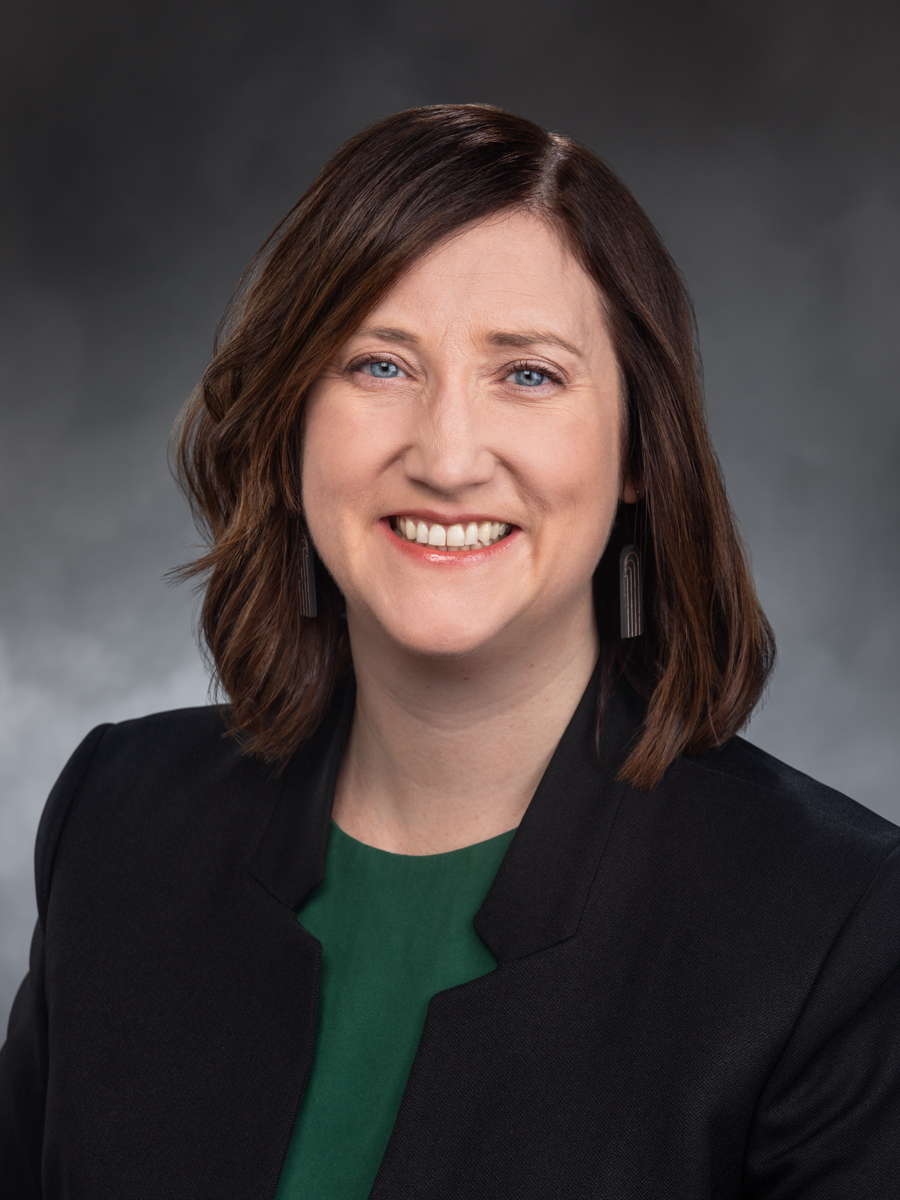
Sen. Noel Frame
Sponsored bills
Maddy summarySB 5352 ensures all Washington public school students can receive free meals daily upon request, removing previous income-based eligibility requirements. The bill directly affects every student in state public schools who seeks a meal, eliminating the need for families to qualify through income verification. Key provisions amend school funding laws to require districts to provide free meals to all requesting students, aligning with the legislature's finding that hunger should not hinder academic success. This policy change shifts meal access from a means-tested program to universal availability within public schools.
Maddy summarySB 5541 establishes a pilot program to provide $25,000 grants to eligible Washington residents born into poverty. It directly affects individuals who were born in Washington, enrolled in Medicaid before age 1, and are aged 18-35 at application. The grants can be used for education, home purchases, or starting a business through designated institutions, and are specifically structured not to count as income or assets for public assistance eligibility. The pilot will randomly select participants statewide, require financial coaching, and include impact evaluations to assess economic stability outcomes. The program aims to test whether such seed capital interrupts intergenerational poverty cycles.
Maddy summarySenate Bill 5181 amends an existing parents' rights initiative in Washington state, affecting parents and legal guardians of public school students. The bill modifies parental access to student education records, aligning response times with federal law, and removes requirements for schools to notify parents about medical services or medications provided to their child. It also adjusts the timeline and scope for notifying parents about criminal actions involving their child on school property or questioning by law enforcement. Additionally, the bill narrows the types of surveys and activities from which parents can opt their children out, aligning with federal protection of pupil rights.
Maddy summarySB 5266 allows individuals convicted of crimes before turning 18 to petition the indeterminate sentence review board for early release after reaching age 24, provided they meet specific conditions (e.g., no recent convictions or serious infractions in the prior 12 months). The bill requires the department to assess offenders 5 years before eligibility, conduct dangerousness evaluations 180 days after a petition, and prioritize hearings for those under 25 or recently transferred from juvenile custody. It also mandates victim input during hearings, allows rental vouchers for housing upon release, and limits annual petitions to 70. The law aims to align with brain development research showing youth rehabilitation potential, while maintaining public safety through structured release conditions and supervision.
Maddy summarySB 5062 would create a Washington state Child Care Workforce Standards Board to establish minimum pay and working conditions for child care workers. The board, composed of six worker and employer representatives plus parent and state agency members, would set standards for wages, safety, and other employment terms affecting all licensed child care providers and their direct care staff (excluding administrative roles). Key mechanisms include public hearings on industry conditions, rulemaking authority for minimum standards, and protections against retaliation for workers participating in the process. The bill directly impacts over 40,000 child care workers and 1,400+ licensed providers across Washington State.
Maddy summarySB 5304 expands Washington's Students Experiencing Homelessness and Foster Youth Program to include accredited tribal colleges, previously limited to public four-year institutions. The bill requires participating tribal colleges and four-year schools to provide specific supports like laundry access, housing assistance, reduced-price meals, technology resources, and case management for eligible students. It directly affects students who experienced homelessness or were in foster care upon high school graduation, ensuring they can access these services at tribal colleges meeting accreditation standards. The program also mandates annual reporting on participation and program effectiveness to the legislature.
Maddy summaryThis bill changes how Washington school districts receive funding for student transportation. It requires the state to collect detailed data on transportation costs by student group - including special education, homeless students, foster care youth, and those at skill centers - and develop a new funding model by 2028. The bill specifically creates a $400 flat-rate payment per homeless student for transportation costs, based on reports submitted under existing rules. It aims to address current funding gaps that leave rural districts, urban districts, and vulnerable student populations underfunded.
Maddy summarySB 5811 establishes an excise tax on certain business activities related to surplus zero-emission vehicle (ZEV) credits generated by vehicle manufacturers in Washington state. The existing ZEV program requires manufacturers to sell a minimum percentage of ZEVs or acquire credits, allowing some to generate surplus credits. This bill imposes a 2% tax on the sale price of ZEV credits sold to other manufacturers, and also applies to the pooling and banking of these surplus credits. The intent is to tax these "windfall profits" and reinvest the funds into other programs that promote cleaner vehicles and support state climate goals.
Maddy summaryWashington State's SB 5312 creates a separate registration requirement for individuals convicted of attempting, soliciting, or conspiring to commit sex offenses against "fictitious minors" in undercover law enforcement sting operations (where officers pose as minors online). It specifically applies to people with no prior history of predatory offenses against real minors, who must register for only five years after release if they spend five consecutive years in the community without new offenses. This differs from standard registration periods, which often require lifelong tracking for similar crimes involving actual victims. The bill aims to align registration requirements with the nature of these sting operations while still addressing public safety concerns.