

Maddy summarySB 6146 creates a new licensed role for "oral preventive assistants" to expand access to preventive dental care, particularly for children and families in underserved communities facing dental workforce shortages. The bill establishes a licensing process requiring approved training and defines their scope of practice to include services like dental cleanings (prophylaxis) and periodontal probing under a dentist's supervision. It also creates a pathway for internationally trained dentists to apply for dental hygiene licensure in Washington if they meet competency standards. These changes aim to strengthen the dental workforce and improve oral health equity statewide.
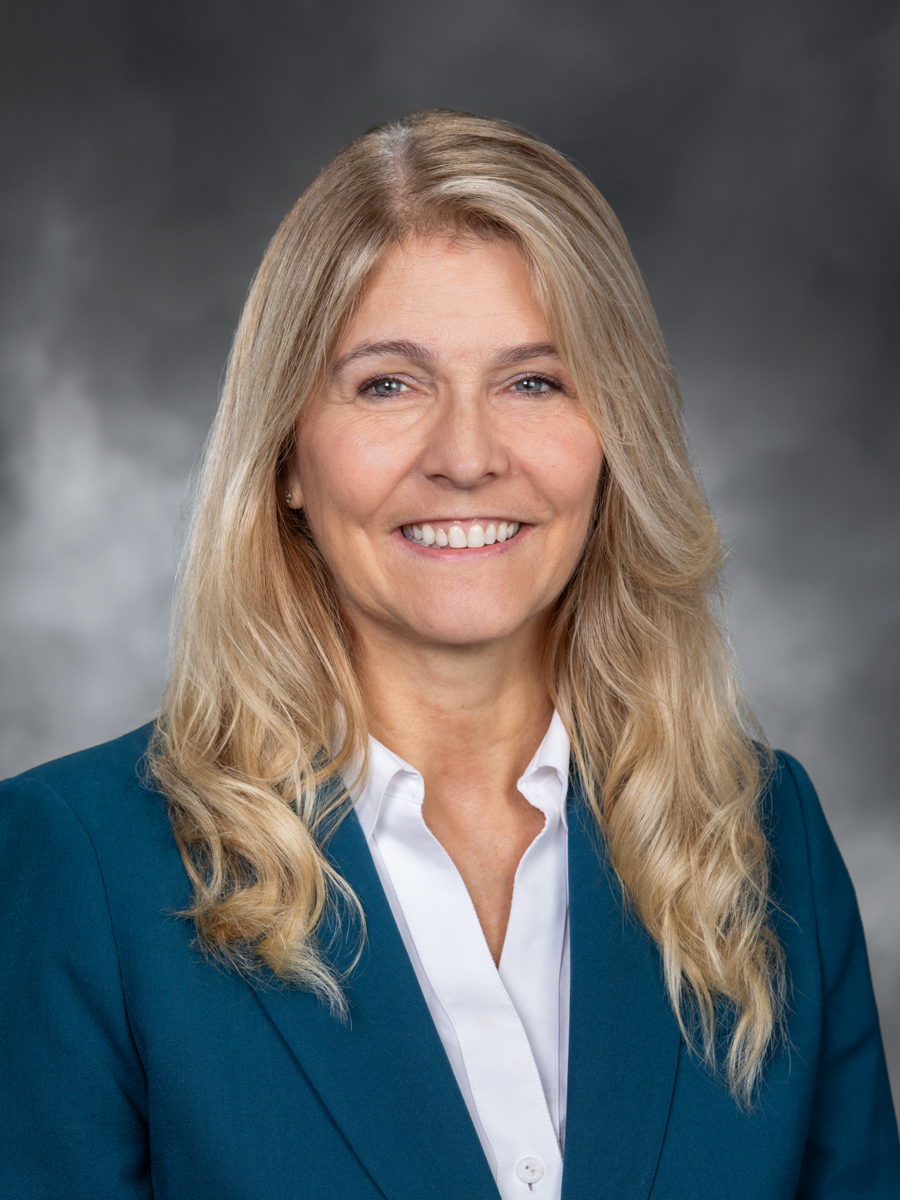
Sen. Tina Orwall
Sponsored bills
Maddy summarySB 6060 amends Washington State's social worker licensure rules to modify supervised experience requirements for three license types: Licensed Advanced Social Worker, Licensed Independent Clinical Social Worker, and Licensed Marriage and Family Therapist. It specifies detailed hour requirements for direct client contact (e.g., 1,000+ hours for clinical licenses), direct supervision (e.g., 100+ hours one-on-one), and supervising professional qualifications. The bill also adds an option for clinical license applicants to use enhanced supervision instead of passing an exam, subject to supervisor attestation. These changes directly affect social workers completing training in Washington seeking state licensure. The bill is currently in committee referral after being prefaced in January 2026.
Maddy summarySB 5999 authorizes Washington’s Department of Natural Resources to generate revenue from carbon offset and ecosystem service projects on state lands (approximately 6 million acres). The bill allows the department to enter long-term contracts (up to 125 years) for selling credits representing services like carbon sequestration, water filtration, and habitat restoration, with proceeds deposited into state accounts. It establishes rules for board-approved minimum payments and permits direct sales or partnerships with brokers/developers to access carbon and ecosystem markets. This directly affects state land management practices and creates new revenue streams for beneficiaries and the state, aligning with existing climate policy frameworks.
Maddy summarySB 6059 creates a new Washington State Board of Governors for Licensed Social Workers, directly affecting licensed social workers and the public they serve. The bill establishes a seven-member board appointed by the governor - four licensed independent clinical social workers, two advanced social workers, and one public member - to oversee professional regulation, set standards, and handle disciplinary matters. Key provisions include requiring members to have active practice experience, ensuring public accountability through specific membership restrictions, and mandating a three-year transition period for implementation. The board will develop rules, manage licensing, and strengthen oversight of social work practice, separate from other behavioral health professions.
Maddy summarySB 5870 requires operators of "companion chatbots" (AI systems designed to mimic human interaction and meet social needs) to disclose when users are interacting with AI, prevent harmful content, and provide crisis referrals for suicidal users. It mandates clear disclaimers, regular reminders for minors, and annual reports to the Department of Health about suicide prevention protocols. Operators face civil liability for violations, including $1,000 per violation plus damages, if their AI system contributes to suicide through harmful responses or failure to refer users to crisis services. The law specifically targets AI platforms that could cause harm, not general AI use, and applies to operators in Washington State starting July 2027.
Maddy summarySB 5876 makes it a crime to falsely present oneself as a peace officer by creating, possessing, or displaying fake badges, documents, or law enforcement insignia (like police or sheriff logos) when not officially sworn in. It also prohibits intentionally misrepresenting objects (such as vehicles) as belonging to law enforcement. The law targets impersonators and carries a penalty of a gross misdemeanor, but includes defenses for honorary officers, reserve officers, and historical/cultural uses like art or satire. It explicitly excludes protected free speech activities, such as parody or news coverage, from prosecution under this law.
Maddy summarySB 5935 updates Washington's homeless youth program by clarifying rules for HOPE centers, which provide temporary housing for unaccompanied homeless youth. The bill specifies that youth may stay in a HOPE center for a maximum of 90 days (with limited exceptions), requires court approval for stays beyond this period for most youth, and defines key terms like "homeless youth" and "street outreach services." It amends multiple statutes to streamline program administration under the Department of Commerce, ensuring consistent definitions for housing programs and data collection. The bill directly affects homeless youth, HOPE centers, and local governments managing homeless housing plans. (This is a proposed update to existing law, not yet enacted.)
Maddy summarySB 5946 would expand Washington's medical assistance program eligibility to include individuals with income at or below 300% of the federal poverty level (adjusted annually for family size). This change would directly affect low-income residents who currently earn above the existing income threshold but fall within this new range. The bill requires the Health Care Authority to submit a state plan amendment to federal Medicaid authorities by July 1, 2027, to implement this expanded eligibility. The policy change would allow more people to enroll in the state's medical assistance program without altering the program's existing structure.
Maddy summarySB 5369 addresses Washington's critical shortage of school social workers, which currently stands at one worker for every 3,798 students - far below the recommended national standard of one per 250 students. The bill requires educational service districts to partner with universities, mental health agencies, and school districts to expand the workforce through in-school training placements for social work students and conditional certification pathways. It revises statutes to clarify school social workers' roles in providing mental health counseling, crisis intervention, trauma-informed care, and support for students with individualized education plans. The law directly affects K-12 schools and students, particularly those facing emotional distress, behavioral challenges, or high absenteeism rates, by increasing access to mental health support within educational settings.
Maddy summarySB 5366 amends Washington state sentencing guidelines to explicitly include a victim's pregnancy during a rape as an aggravating factor that allows courts to impose harsher sentences. It specifically adds "the defendant knew the victim was pregnant" to the list of circumstances justifying an "aggravated exceptional sentence" for violent sexual offenses. This provision directly affects rape offenders who knew their victim was pregnant at the time of the crime, enabling judges to exceed standard sentencing ranges. The bill does not create new penalties but expands existing criteria for exceptional sentencing in cases involving rape with pregnancy. It requires courts to document such findings in writing and follows standard appellate review procedures.