

Maddy summarySenate Bill 5098 expands the list of places where possessing weapons is unlawful in Washington state. The bill makes it illegal to carry a weapon on the premises of state or local public buildings, as well as at city, county, or municipal park facilities where children are likely to be present. It also prohibits weapons at county fairs and their facilities during public operating hours, though this does not apply to gun shows held on fairgrounds. Local governments are required to designate and post signage for affected park facilities.
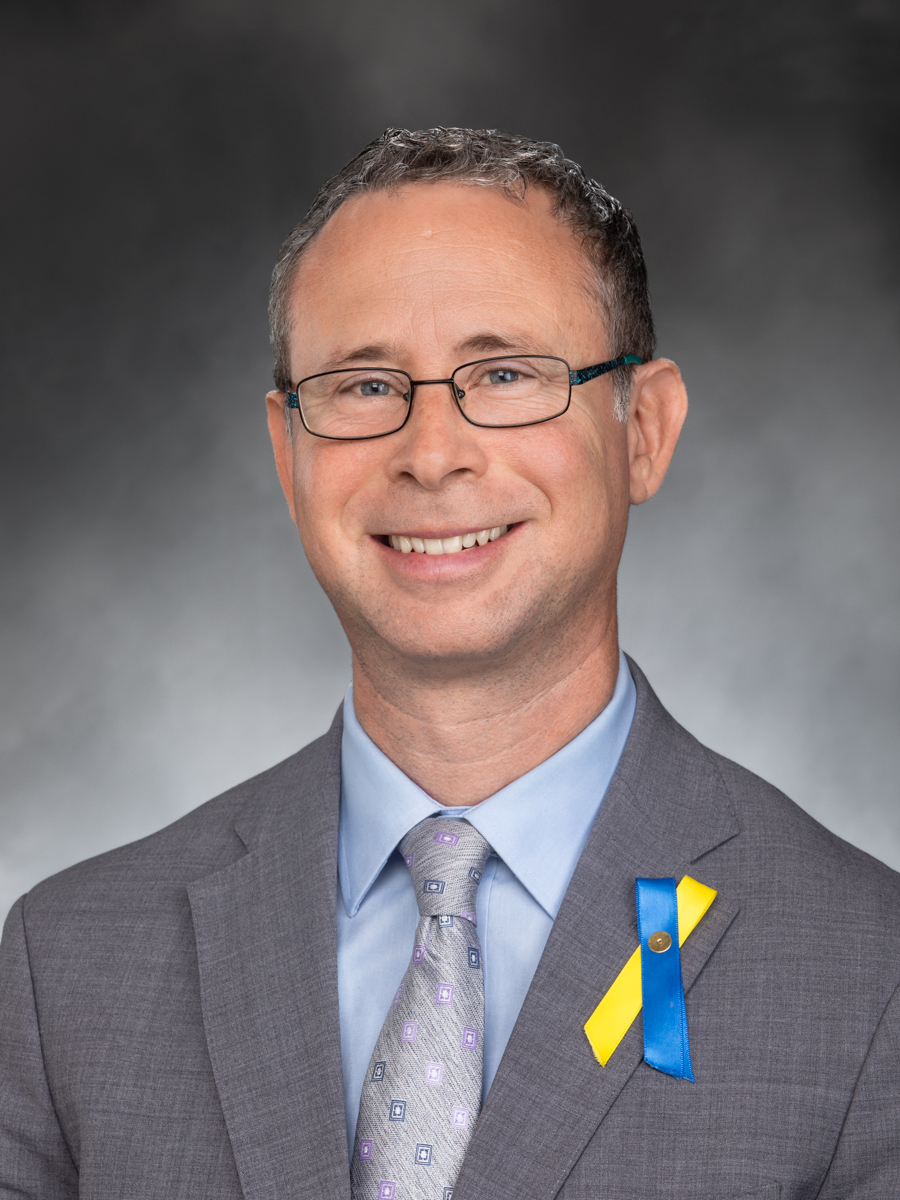
Sen. Jesse Salomon
Sponsored bills
Maddy summarySB 5203 requires Washington's Departments of Fish and Wildlife and Transportation to develop and implement a statewide plan for protecting wildlife habitat corridors and building safe crossings (like overpasses and underpasses) to reduce animal-vehicle collisions. The bill creates a dedicated funding account, the Washington wildlife corridors account, which uses state funds and private donations to support projects such as land conservation, habitat restoration, and removing barriers like fences in key corridors. It mandates collaboration with tribes, federal agencies, and conservation groups, and requires annual reports on spending and progress toward reducing collisions (which cost over $74 million yearly). The law aims to protect habitats fragmented by development and climate change while improving highway safety.
Maddy summarySenate Bill 5286 establishes a community partnership program between the Department of Social and Health Services and the city of Medical Lake to support policing efforts at Eastern State Hospital and adjacent areas. It also formally recognizes and continues an existing partnership with the city of Lakewood for Western State Hospital. The bill mandates annual state funding for these programs, with amounts determined in the biennial budget based on anticipated service levels and costs. Furthermore, it requires the department to collect data from both cities on fund usage and call responses, submitting an annual report to relevant state offices.
Maddy summarySenate Bill 5436 makes it unlawful to willfully or recklessly interfere with access to or from a place of religious worship, or to disrupt religious services in Washington state. Prohibited actions include physically obstructing passage, trespassing, repeatedly contacting the place of worship, or threatening harm to its attendees or property. A violation of this act is classified as a gross misdemeanor. The bill also allows individuals or religious organizations whose access or services are disrupted to seek civil damages and injunctive relief to prevent further interference.
Maddy summarySB 5500 modernizes Washington's child care subsidy rates for the Working Connections program by requiring the state to use a "cost of quality" rate model that covers the full cost of high-quality care. This model includes living wages for staff, benefits, educational materials, professional development, and other operational costs, replacing the previous 85th percentile market rate as the baseline. The bill mandates that future reimbursement rates must reflect these actual costs while maintaining the current minimum rate, and requires triennial reviews of rates for infants, nonstandard hours, and special needs populations. This directly affects licensed child care providers receiving state subsidies and the working families relying on subsidized care.
Maddy summaryThis Senate Resolution honors Senator Rebecca Saldaña for her decade of service to the 37th Legislative District and the state of Washington. The bill formally commends her legislative work, including sponsoring landmark laws on environmental justice, domestic workers' rights, and adult entertainment worker protections. It recognizes her role as chair of the Senate Labor and Commerce Committee and her advocacy for frontline communities, workers, and communities of color. The resolution is transmitted to Senator Saldaña by the Secretary of the Senate as an official expression of gratitude for her contributions to Washington state policy.
Maddy summaryThis Senate Resolution honors Senator Judy Warnick for her nearly two decades of service in the Washington State Legislature, recognizing her leadership roles and contributions to agriculture, rural development, and community advocacy. The resolution formally acknowledges her work as a former dairy farmer and her service on multiple committees, including her role as Chair of the Senate Agriculture, Water & Rural Economic Development Committee. It expresses the Senate's appreciation for her dedication to public service and directs that copies of the resolution be sent to Senator Warnick and her family as a token of gratitude.
Maddy summaryThis Senate Resolution honors Senator Steve Conway for his 34 years of service to Washington state, particularly his advocacy for workers' rights and labor policy. The resolution formally commends his contributions to collective bargaining, pension systems, and local community projects, including funding for educational and cultural facilities. It does not create new laws or policies but serves as an official acknowledgment of his legislative career and public service. The Senate transmitted this resolution to Senator Conway as a gesture of appreciation for his work representing the 29th Legislative District.
Maddy summaryThis Senate Resolution formally acknowledges March as Developmental Disabilities Awareness Month in Washington state. It recognizes approximately 120,000 residents with intellectual and developmental disabilities and honors the families, caregivers, and service providers who support them. The resolution expresses appreciation for the inclusive community efforts that help individuals with disabilities participate fully in society. It does not create new laws or funding but serves as a symbolic gesture to raise awareness and promote inclusion.
Maddy summarySB 6234 prevents cities, counties, water-sewer districts, and public utility districts from banning sewage grinder pumps in new single-family homes that meet specific criteria: located below public sewer lines, connected to low-pressure systems, requiring vertical wastewater movement, and having required safety valves. The bill clarifies that property owners own and maintain these pumps, though local entities may take over maintenance at their discretion. If owners fail to maintain pumps, sewer providers can make repairs and bill them. This applies uniformly across all local jurisdictions in Washington State to address drainage challenges where gravity systems aren't feasible.