

Maddy summarySB 5555 requires cities and code cities in Washington to allow housing units in existing ground-floor commercial, retail, or mixed-use buildings within specific transit-accessible areas (e.g., within 1/2 mile of light rail stops or 1/4 mile of bus rapid transit stops). It removes parking requirements, limits density restrictions (allowing up to 50% more units within existing building envelopes), and eliminates design standards for residential conversions in qualifying buildings. The bill also mandates that cities permit taller buildings using mass timber products in commercial zones and prohibits requirements like transportation studies for such conversions. These changes apply to buildings with a certificate of occupancy at least three years old, directly affecting property owners, developers, and local zoning regulations in participating jurisdictions.
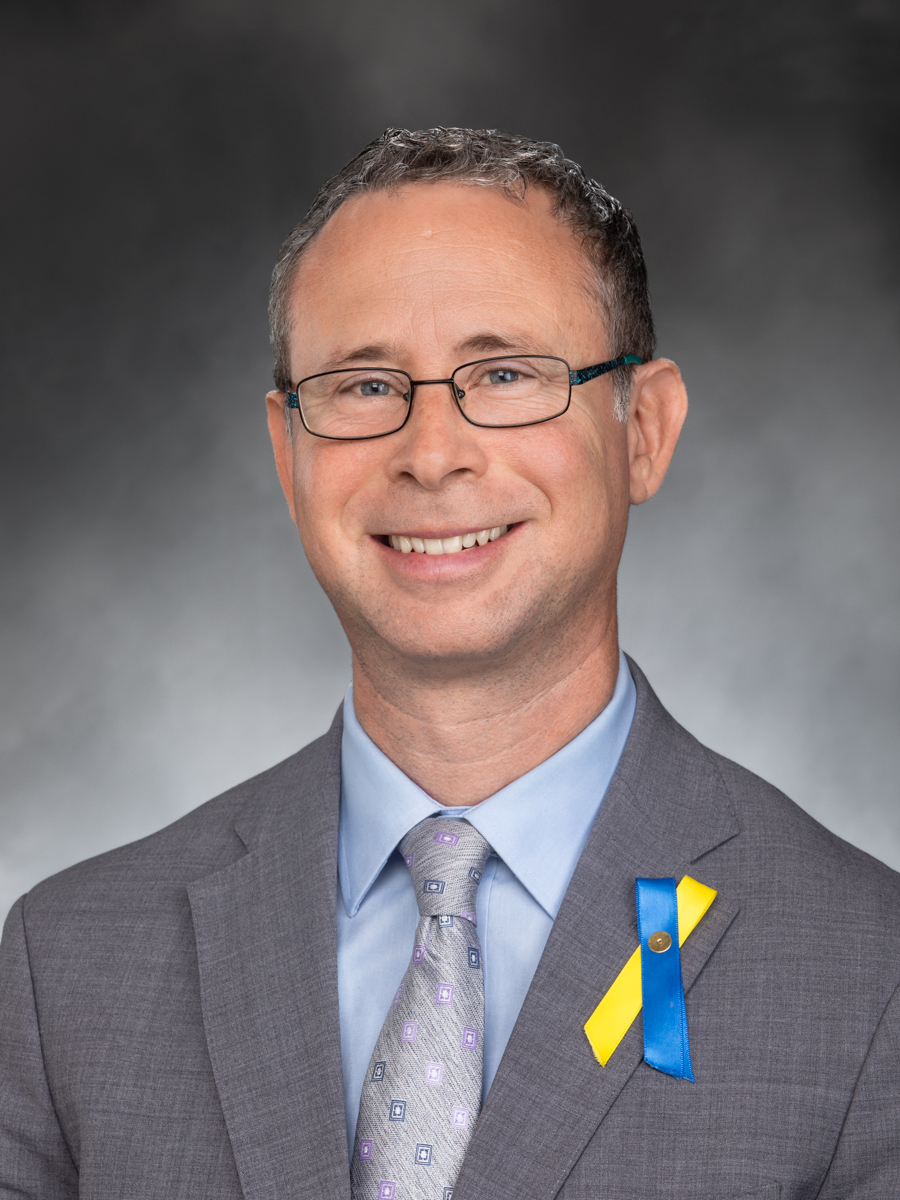
Sen. Jesse Salomon
Sponsored bills
Maddy summarySB 5522 establishes a formal process for reviewing and approving capital projects on Washington's state capitol campus. It requires the State Capitol Committee to annually review proposed projects (defined as new buildings or major renovations exceeding 50% of replacement cost) and make recommendations, while expanding the committee's membership to include legislative leaders and agency representatives. The bill also creates a design subcommittee with architects and landscape experts to advise on campus aesthetics, preservation, and maintenance, ensuring campus improvements align with historic and architectural standards. This procedural bill focuses on structured management of the capitol campus, not direct policy changes affecting residents.
Maddy summarySenate Bill 5193 supports remote testing options for students enrolled in online school programs in Washington state, directly affecting these students, their families, and participating school districts. Beginning in the 2027-28 school year, school districts with online programs may offer students the ability to complete statewide assessments remotely. To implement this, the Office of the Superintendent of Public Instruction (OSPI) must develop or update assessment administration and security policies by April 1, 2027. These policies will cover requirements for testing personnel, student-to-proctor ratios, remote testing environments, device and network specifications, and parental consent. The bill aims to reduce burdens on families and ensure equitable access to assessments for online learners.
Maddy summarySB 5038 clarifies Washington's hate crime law by defining specific acts that qualify as hate crimes when motivated by bias against a person's race, religion, sexual orientation, gender identity, or disability. It makes offenses like assaulting someone, damaging property, or threatening someone (with context indicating a credible threat) a class C felony if done because of the victim's protected characteristic. The bill adds concrete examples for prosecutors, such as burning crosses on African American property or defacing Jewish property with Nazi symbols, and specifies that mistaken identity about a victim's protected characteristic is not a defense. It also clarifies that threatening words alone don't count as hate crimes unless they're credible threats, and that victims can pursue additional legal remedies beyond the felony charge.
Maddy summarySB 5264 modifies tax compacts between Washington State and federally recognized tribes by increasing revenue-sharing percentages for tribes that complete qualified capital investments. It directly affects tribes with existing compacts, requiring the state to pay them 100% of state sales/use tax revenue above a $500,000 annual cap (instead of 25%) on transactions not meeting "new development" requirements, starting in the fourth year after the compact's effective date. The bill also establishes processes for verifying capital investments, resolving disputes, and maintaining confidentiality of tax records. This change aims to incentivize tribal infrastructure projects while clarifying revenue distribution terms under current compacts.
Maddy summarySB 5210 establishes a permanent state grant program to fund "ninth grade success teams" in Washington public schools. These teams identify students at risk of falling behind by tracking attendance, behavior, and grades, then provide targeted academic and social support to improve their chances of graduating on time. The program prioritizes schools with low ninth-grade on-track rates (passing all classes) or below-average graduation rates, using grant funds for staff stipends, professional development, substitute teachers, and student supports. Schools receiving grants must report annually on participation, student demographics, and improvements in on-track rates and graduation data through 2030.
Maddy summaryThis bill proposes a constitutional amendment allowing Washington's legislature to create a property tax exemption for primary residences. If approved by voters, it would enable future legislation to establish this exemption, with the legislature determining eligibility and specific conditions. The amendment requires voter approval at the next general election and does not create the exemption itself, only authorizes its potential future implementation.
Maddy summarySB 5519 requires ocean-going vessels to use low-sulfur fuels (with a maximum sulfur content of 0.1% by weight) in auxiliary engines, main engines, and auxiliary boilers when operating within three nautical miles of Washington's shoreline, starting January 1, 2028. This applies to commercial, government, and military vessels meeting specific size or engine criteria (e.g., over 400 feet long or with certain propulsion systems), but excludes tugboats and similar small vessels. The bill mandates that vessel operators maintain detailed records of fuel types, fuel-switching procedures, and vessel positions to verify compliance. These measures aim to reduce harmful air pollution from vessel operations, protecting public health and coastal environments in Washington.
Maddy summarySB 5352 ensures all Washington public school students can receive free meals daily upon request, removing previous income-based eligibility requirements. The bill directly affects every student in state public schools who seeks a meal, eliminating the need for families to qualify through income verification. Key provisions amend school funding laws to require districts to provide free meals to all requesting students, aligning with the legislature's finding that hunger should not hinder academic success. This policy change shifts meal access from a means-tested program to universal availability within public schools.
Maddy summarySB 5541 establishes a pilot program to provide $25,000 grants to eligible Washington residents born into poverty. It directly affects individuals who were born in Washington, enrolled in Medicaid before age 1, and are aged 18-35 at application. The grants can be used for education, home purchases, or starting a business through designated institutions, and are specifically structured not to count as income or assets for public assistance eligibility. The pilot will randomly select participants statewide, require financial coaching, and include impact evaluations to assess economic stability outcomes. The program aims to test whether such seed capital interrupts intergenerational poverty cycles.