

Maddy summaryThis bill establishes a procedure for returning unfinished legislative measures to their chamber of origin before the 2026 Regular Session ends. It requires the Senate to send any House bills it hasn't passed to the House Rules Committee for final review, and vice versa for Senate bills held by the House. Additionally, the bill instructs legislative clerks to keep all pending measures and related documents in their current state until the session concludes. Finally, it ensures that any bills introduced during special sessions continue the numbering sequence from the regular session.
Sponsored bills
Maddy summaryThis Senate resolution grants the Secretary of the Senate authority to manage operations and finances during the legislative interim period between the end of the 2026 Regular Session and the start of the next session. It allows the Secretary to approve contracts, authorize travel expenses, hire temporary staff, and approve committee meeting requests without requiring additional legislative approval for each action. The resolution also permits the use of Senate facilities under the Secretary's discretion and authorizes the creation of special committees to maintain orderly Senate functions during this time. These provisions enable the Senate to continue essential administrative work and prepare for the upcoming session while remaining within existing budget controls.
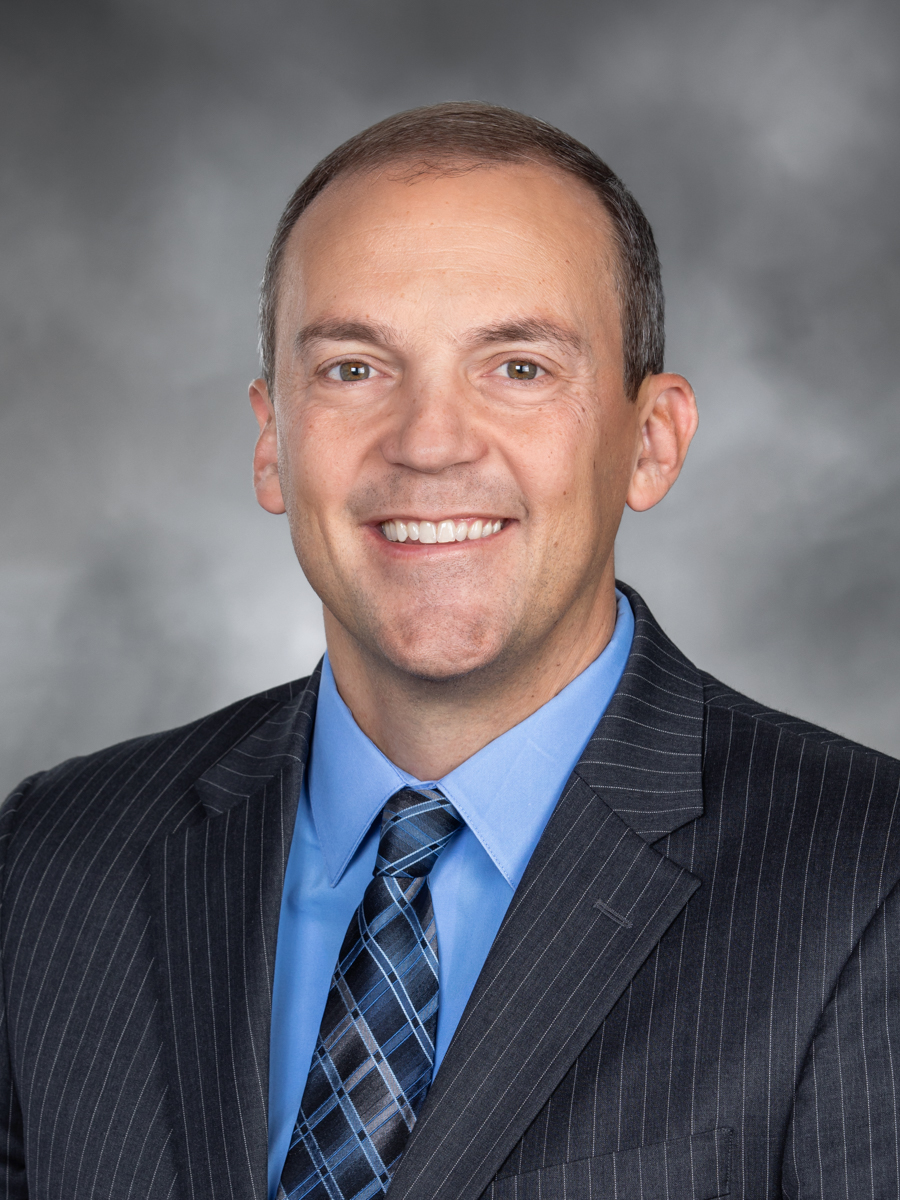
Maddy summaryThis Senate Resolution honors Senator Matt Boehnke for his distinguished service to the people of Washington state and the 8th Legislative District. The resolution formally recognizes his career progression from the Kennewick City Council to the State House and Senate, highlighting his work on technology innovation, workforce development, and energy policy. It also acknowledges his military service as a lieutenant colonel in the Army aviation branch and his current role as a cybersecurity professor at Columbia Basin College. The Senate expresses gratitude for his leadership and commits to sending a copy of the resolution to Senator Boehnke and his family as a token of appreciation.
Maddy summaryThis bill proposes to formally adjourn the 2026 Regular Session of the Washington State Legislature without further action. It directly affects the state legislature by ending its current session of lawmaking. The key mechanism is a resolution that declares the session concluded, which is a standard procedural step taken at the end of a legislative year. This type of bill does not create new laws or policies but instead marks the official closure of the legislative period.
Maddy summarySCR 8408 is a procedural resolution ensuring bills from Washington's 2025 legislative session automatically carry over to the 2026 session without renumbering. It requires such bills to be reintroduced in their original house of introduction and retain their highest legislative status (e.g., "referred to committee" or "passed") as recorded in official dockets when the 2025 session ended. This streamlines the legislative process by preventing delays in processing pending bills across consecutive sessions.
Maddy summarySB 6031 updates Washington state's insurance fraud laws to address modern schemes, including medical billing fraud using incorrect CPT/HCPCS codes. It expands the definition of "insurer" to cover more insurance types and defines specific fraud acts - like submitting false medical claims, misrepresenting services, or embezzling premiums - as a class B felony. The bill requires restitution for insurers and victims of fraud, clarifies where cases can be prosecuted, and targets organized fraud impacting both insurers and consumers. It directly affects insurers, health care providers (through medical coding rules), and insurance consumers by strengthening enforcement and penalties for fraudulent activities.
Maddy summarySB 6024 aims to reduce administrative burdens for community residential service providers (organizations supporting people with developmental disabilities) by streamlining oversight. It limits the Department of Social and Health Services to one annual routine review per provider per subject area (e.g., client finances, service plans, federal compliance) and requires departments to share documents across divisions to avoid duplicate requests. The bill excludes incident reports, complaints, and federally mandated reviews from these limits. This directly affects over 87% of residential service providers in Washington, aiming to redirect resources toward direct client support rather than overlapping audits.
Maddy summarySB 5993 caps interest charges on new and unpaid medical debt at 1% per year, directly affecting patients with outstanding medical bills. The bill amends Washington law to prohibit interest above this rate, including for debt accrued before or after a court judgment. It excludes from the cap certain medical debt that is invalid, waived under state law, or unenforceable. This policy change reduces financial burdens for individuals struggling with medical debt while maintaining existing legal enforcement mechanisms for valid claims.
Maddy summarySB 6079 creates the "Strengthen Washington Homes" program, a grant initiative to help homeowners, contractors, nonprofits, and tribes reduce wildfire risks at their properties. The program provides financial grants for retrofitting or rebuilding homes to meet specific wildfire preparedness standards set by the Insurance Institute for Business & Home Safety. Grants are contingent on meeting these standards and obtaining required permits, and the bill also prohibits insurers from denying coverage based on wildfire risk for properties that achieve these designations. Funding will come from state appropriations and grants, with pilot projects planned to test equitable implementation before full rollout.
Maddy summarySB 5992 creates a state-funded account to support youth development programs for Washington youth aged 5-24, prioritizing underserved communities. The fund, financed by public and private contributions, will provide grants to nonprofits, tribal organizations, parks departments, and community partners to offer after-school programs, mentorship, career navigation, and culturally relevant activities. It requires equitable geographic distribution of funds and prioritizes youth facing systemic barriers, including those in foster care, experiencing homelessness, or from low-income backgrounds. Grants must be reported annually on program impacts, with tribal consultation required for projects affecting Native communities.