

Maddy summaryHB 1436 allows Washington cities and counties to impose a 0.10% sales tax to fund additional commissioned law enforcement officers. Local governments must use the revenue to hire more officers if their officer-to-population ratio is below the national average, or for other criminal justice programs (like domestic violence services or homelessness initiatives) if their ratio is already above average. The state collects the tax and returns the funds directly to the local jurisdiction. This bill aims to address Washington’s low ranking in law enforcement staffing per capita and high crime rates by creating a dedicated funding mechanism for local governments.
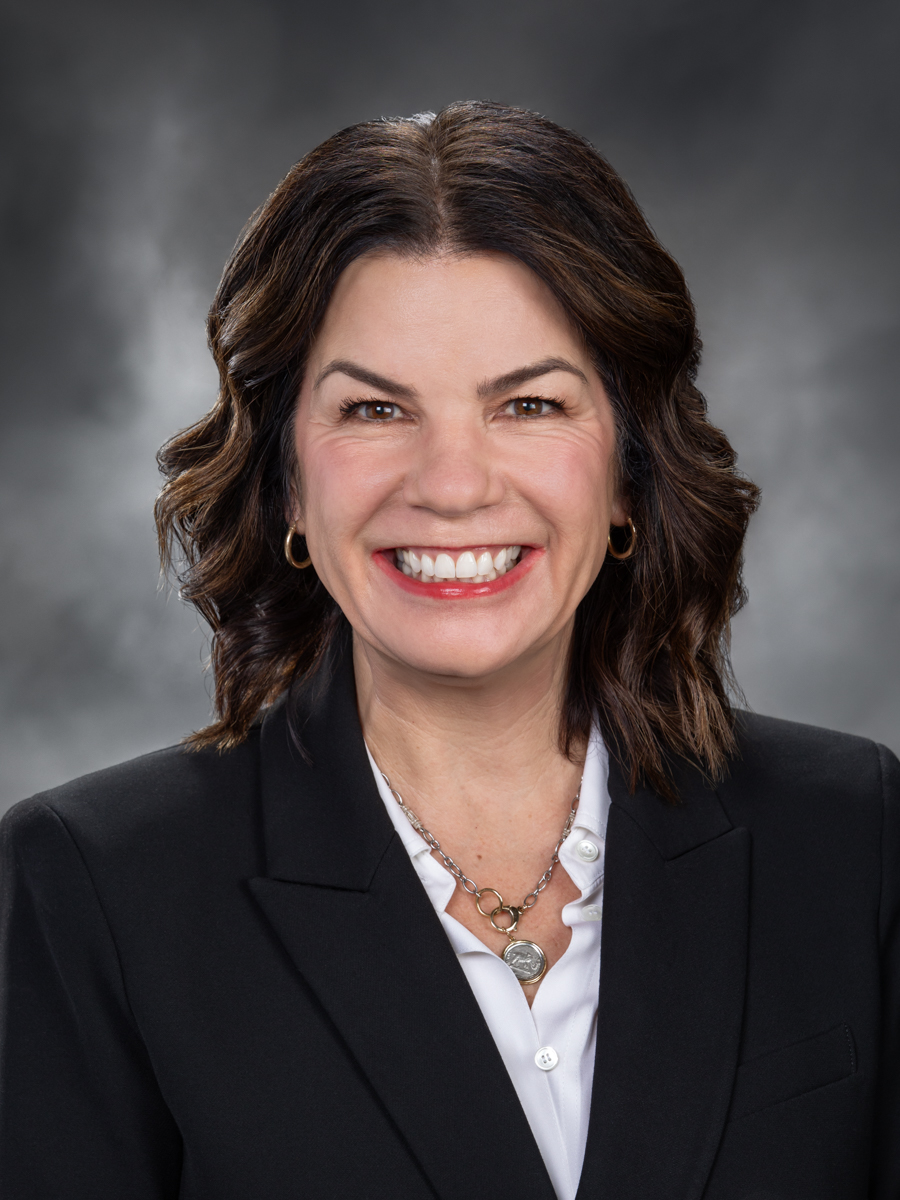
Rep. April Connors
Sponsored bills
Maddy summaryHB 1022 creates a pilot program providing no-interest down payment and closing cost loans (up to $25,000) to essential workers in Washington state who meet income limits. It directly affects firefighters, nurses, police officers, emergency medical technicians, mental health professionals, social workers, child care providers, and veterans with household income below 100% of the state median. Loans require no repayment until the home is sold, rented, or refinanced, and the program is capped at $15 million in funding through June 2027. The bill mandates reporting on program outcomes to the legislature by 2026 and 2027.
Maddy summaryHB 1117 repeals Washington State's adoption of California's motor vehicle emissions standards, which had caused registration barriers for vehicles meeting federal standards. The bill directly affects vehicle owners who previously needed 407,541 exemptions to register their vehicles and government agencies managing registrations. Key provisions require the Department of Licensing to register previously prohibited vehicles (if they meet state requirements) and direct the Department of Ecology to repeal all rules implementing California standards. This eliminates administrative burdens on both the public and government, allowing vehicles to be registered without exemptions under federal standards. The bill takes immediate effect as an emergency measure.
Maddy summaryHB 1266 establishes the Washington State Commission on Boys and Men within the governor's office to address issues affecting boys and men across six focus areas: mental/physical health, education, careers, fatherhood, the preschool-to-prison pipeline, and court system experiences. The commission, composed of 11 appointed non-legislative members (with diverse representation requirements) and 4 legislative advisory members, will monitor legislation, coordinate with other commissions (like the women's and LGBTQ commissions), gather data, and submit biennial reports to the legislature and governor. Its key duties include identifying needs, advising state agencies on policies affecting boys and men, holding public hearings, and advocating for removing barriers they face. This is a structural commission creation bill, not a policy change, with no direct fiscal impact detailed in the provided text.
Maddy summaryHB 1787 updates Washington state's involuntary treatment standards for individuals with severe substance use disorders who pose an immediate danger to themselves or others. It establishes new legal criteria for court-ordered treatment, requiring local governments to provide access to appropriate facilities. The bill mandates doubling secure withdrawal management facility beds through targeted funding incentives, specifically addressing geographic gaps in treatment access across rural and urban communities. These changes aim to implement standards previously recognized but not enacted since 2020, ensuring individuals in crisis can receive timely treatment. The policy directly affects people with severe substance use disorders meeting the danger criteria and community treatment providers.
Maddy summaryHB 1411 requires Washington's governor to base budget revenue estimates solely on the state's official economic and revenue forecast, rather than using other projections. This prevents the state from planning with assumed revenue levels higher than what the forecast council officially projects. The bill affects how the governor prepares annual and biennial budgets by mandating that all revenue estimates must align with the forecast council's approved numbers for most funds. It ensures budget planning relies on verified revenue data, not hypothetical scenarios.
Maddy summaryHB 1597 would allow Washington agricultural employers to select any 12 weeks per year during which they can require workers to work up to 50 hours without triggering overtime pay - currently required after 40 hours. This amendment to Washington’s overtime law (RCW 49.46.130) directly affects farm employers and agricultural workers by extending a seasonal flexibility window previously limited to dairy under a court ruling. The bill creates a temporary exemption during these 12 weeks, shifting the overtime threshold from 40 to 50 hours for crop and livestock workers during peak labor demand periods. It does not change overtime requirements outside these designated weeks.
Maddy summaryHB 1225 requires Washington state agencies to prioritize essential services (like public safety, education, and healthcare) over non-essential spending when creating budgets. It mandates detailed budget documents showing how every dollar will be spent, including performance metrics for programs, and places limits on state spending and revenue proposals to prevent budget deficits. The bill directly affects state agencies and the legislature by amending budget submission rules (RCW 43.88.030 and 43.88.055) to enforce fiscal accountability and ensure taxpayer funds directly support priority services.
Maddy summaryHB 1108 proposed establishing a legislative task force on housing cost driver analysis in Washington state. This task force would have included legislators, economists, and representatives from various housing sectors, such as developers, landlords, tenants, realtors, and city/county officials. Its main purpose was to research and identify the primary factors contributing to the cost of homeownership and rental housing. The task force was intended to report its findings and recommendations to the legislature by December 1, 2026. However, the Governor vetoed this bill on May 20, 2025.
Maddy summaryHB 1293 aims to reduce litter and plastic waste across Washington State, affecting individuals and retail establishments. The bill enhances penalties for littering, reclassifying offenses and establishing mandatory clean-up restitution payments based on the volume of litter. It also delays the requirement for reusable plastic carryout bags to be thicker and increases the pass-through charge for these bags. Furthermore, the bill imposes a new penalty on retailers for selling thicker plastic bags, directing these funds to a waste reduction and litter control account.