

Maddy summaryHB 1751 exempts required course materials (like textbooks and digital resources) from Washington state sales and use taxes for students enrolled at public colleges and universities. It requires students to show valid enrollment proof at approved vendors (campus bookstores or institution-designated online sellers) to qualify for the exemption. Public institutions must inform students about this tax break via their websites and course syllabi. The bill directly affects all students at Washington’s public higher education institutions by reducing out-of-pocket costs for essential learning materials, which the legislature notes are increasingly unaffordable (65% of students skip buying textbooks due to cost).
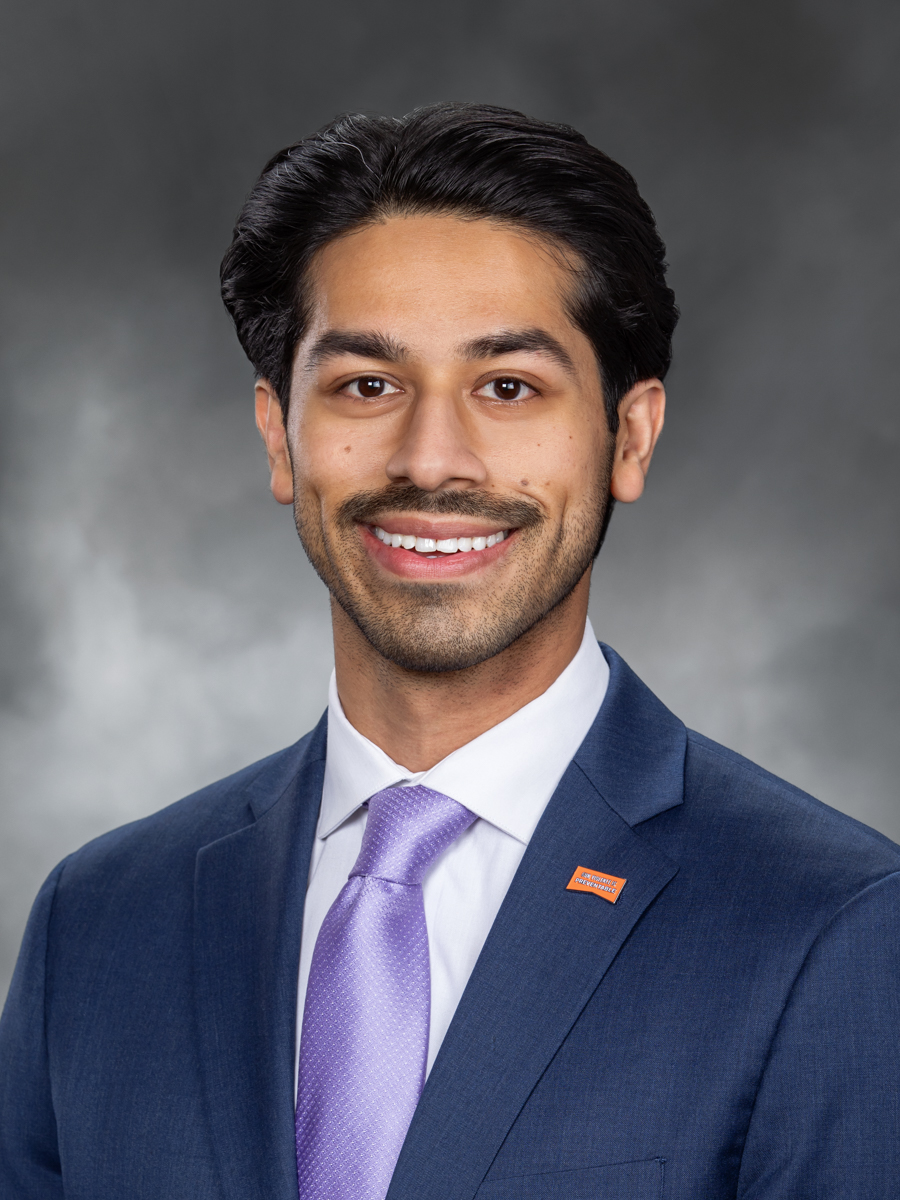
Rep. Osman Salahuddin
Sponsored bills
Maddy summaryHB 1306 creates two pathways for international medical graduates (IMGs) to obtain full medical licenses in Washington without completing standard U.S. postgraduate training. The primary pathway requires 48 months of supervised clinical practice under a licensed physician, followed by assessments and documentation to demonstrate competence. A hardship pathway also allows waivers for specific situations like refugee status or persecution, though it excludes failures in standard exams. The bill directly affects IMGs seeking to practice in Washington, modifying existing licensing rules to accommodate their credentials. It does not change requirements for U.S.-trained physicians but provides alternative routes for qualified IMGs.
Maddy summaryHB 1808 creates a state-funded revolving loan program to support permanently affordable homeownership for low-income households. The program provides loans (up to 50% of project costs) to nonprofit developers building housing that remains affordable for at least 99 years through long-term restrictions on resale and ownership. Loans carry interest rates between 1% and 2.5%, with repayments recycled into the fund to finance new projects. This directly affects low-income homebuyers (defined as households earning ≤80% of local median income) and nonprofit developers who build housing meeting specific affordability standards.
Maddy summaryHB 1412 establishes the Washington State Commission on Middle Eastern and North African Americans to address systemic gaps affecting this community. The commission will focus on improving data collection about MENA populations and advising state agencies and the legislature on policies impacting their needs, such as healthcare access, housing, and education. It requires the governor to appoint 12 diverse members with balanced representation across ethnicities, geography, gender, age, and occupations, serving staggered terms. The commission’s primary duties include developing consistent data collection methods, recommending policy changes, and coordinating community recognition events, while explicitly avoiding overemphasis on religion or international policies.
Maddy summaryHB 1561 extends key labor protections to domestic workers in Washington state, including nannies, house cleaners, home care workers, and household managers. The bill requires employers to pay the state minimum wage, provide overtime pay for hours over 40 per week, mandate 30-minute meal breaks after 2-5 hours of work, and guarantee 10-minute rest breaks every four hours. It also mandates written employment agreements in understandable language covering pay, schedule, and benefits, while prohibiting waivers of legal rights or forced arbitration clauses. The law explicitly excludes casual babysitters, family members, and workers in certain home-sitting roles from coverage.
Maddy summaryHB 1560 imposes a 7.5% tax on the portion of annual compensation exceeding 10 times the state's average wage for the five highest-paid hospital employees without direct patient care, plus the hospital's lead administrator if not included. It directly affects nonprofit hospitals in Washington that pay certain executives excessive compensation, as defined by the bill. The tax revenue will fund programs to improve healthcare access, particularly for vulnerable populations and reproductive care. The tax applies to compensation reported under state health reporting rules, beginning in 2027 for the 2026 tax year.
Maddy summaryHB 1241 requires Washington school districts to improve transparency and timeliness in special education evaluations for students with disabilities. It mandates that districts provide parents with clear, translated information about evaluation processes and timelines (including a 22-day decision window after referrals and a 60-day evaluation window after consent), track and publicly report processing times by disability category, and use standardized templates for parent communications. The bill also ensures parents receive language-accessible materials and quarterly service reports for quantifiable special education services, while prohibiting multitiered systems from delaying evaluations. These changes directly affect students with disabilities, their families, and school districts across Washington State.
Maddy summaryHB 1479 creates a state matching grant program to supplement federal funding for American Indian and Alaska Native students. It requires school districts and tribal education compact schools that received federal Indian education grants under Title VI of the Every Student Succeeds Act to submit strategic plans outlining goals for cultural programming, academic achievement, and family engagement. The state grant matches federal funds (with tribal consultation required if combined funding reaches $40,000+) and supports activities like cultural identity education, attendance improvement, and intergenerational knowledge sharing. The program mandates annual reporting to the legislature on grant recipients and outcomes starting June 2026. It directly affects eligible school districts and tribal schools in Washington state.
Maddy summaryHB 1581 increases a tax on communication services to fund Washington's 988 behavioral health crisis line. It raises the tax rate to 70 cents per month for radio access lines, VoIP services, and switched access lines starting in 2026, up from current rates of 40 cents (2023-2025). The tax applies to subscribers and providers of these services within Washington, with proceeds deposited into a dedicated crisis response account. The funding supports suicide prevention and crisis care services, aiming to reduce reliance on emergency rooms and law enforcement for mental health emergencies. The bill does not change existing services but adjusts tax rates to sustain and expand the 988 system.
Maddy summaryHB 1567 requires health care administrators at Washington hospitals to obtain a state license starting January 1, 2027. It defines these roles as nonclinical managers or directors who oversee hiring, compliance, operations, or patient care policies for clinical staff, but excludes federal employees like those in the U.S. Armed Forces. The bill mandates passing a state-administered exam on health care laws and ethics, paying fees, and completing annual continuing education to maintain licensure. The Washington Department of Health will manage licensing, set fees, and enforce rules, including disciplinary actions for unprofessional conduct like unsafe fiscal decisions. This applies only to hospital employees in Washington, not to all health care workers.