

Maddy summaryHB 1150 requires producers of consumer packaging and paper products to fund and manage recycling programs, shifting responsibility from taxpayers to manufacturers. It aims to improve recycling access - especially for rural residents and multi-family housing - by mandating producer-funded curbside collection systems and setting statewide collection and composting targets. The bill defines "covered materials" (like plastic, paper, metal packaging) and exempts certain items (e.g., infant formula packaging), while creating an advisory council to oversee implementation. Producers must meet specific collection rate goals, with smaller businesses qualifying for de minimis exemptions based on revenue thresholds. The law preserves local government authority over waste management but requires producers to integrate into existing recycling infrastructure.
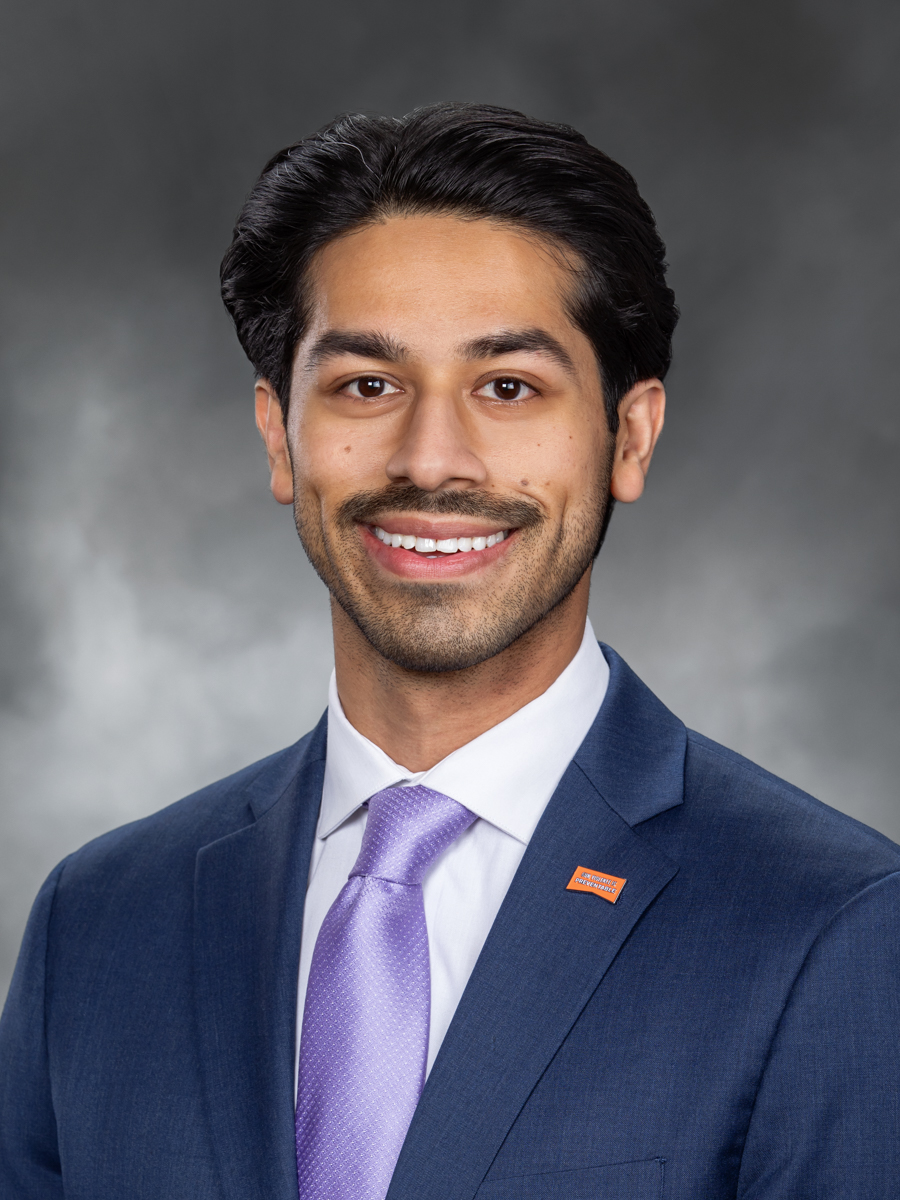
Rep. Osman Salahuddin
Sponsored bills
Maddy summaryHB 1404 expands access to free school meals in Washington state by removing income-based eligibility requirements. It mandates that all public school students who request a meal receive it at no cost, regardless of family income, to address food insecurity and support academic success. The bill amends several education funding statutes (including RCW 28A.235.135 and 28A.235.160) to align meal access with this new policy. It directly affects every public school student in Washington, ensuring no child experiences hunger during the school day. The policy change replaces previous tiered eligibility systems with universal free meals for all requesting students.
Maddy summaryHB 1220 creates an exception to assault charges for individuals in behavioral health crisis who assault healthcare providers while receiving treatment. It specifically exempts such assaults from third-degree assault charges when the victim is a nurse, physician, or health care provider performing duties during behavioral health treatment under chapters 71.05, 71.34, or 10.77 of the Revised Code of Washington. This applies only when the person is detained, pending evaluation, or receiving voluntary in-patient behavioral health treatment. The bill modifies existing assault law to prevent criminal prosecution in these specific crisis treatment scenarios.
Maddy summaryHB 1071 aims to increase Washington's recycling rate to 65% for packaging by requiring producers to use more recycled content in their products and establishing a single statewide list of accepted recyclable materials to reduce confusion. It mandates a state-specific needs assessment to identify funding and infrastructure needs, addresses contamination in recycling streams, and expands recycled content requirements for packaging and paper products. The bill directly affects manufacturers (producers) of packaging and paper goods, as well as local governments managing curbside recycling programs. Key provisions include standardizing what can be recycled across the state, studying non-recyclable packaging labels, and ensuring equal access to affordable recycling services. The legislation builds on Washington's existing recycling infrastructure while targeting greenhouse gas reductions in the solid waste sector.
Maddy summaryHB 1356 adjusts Washington state's K-12 school funding by updating local enrichment levy limits and creating a state matching program. It sets new per-pupil funding caps ($2,500 for districts under 40,000 students, $3,000 for larger districts) through 2030, adjusted annually for inflation plus a temporary 3.33% annual increase (2027-2030), then raises the cap to $5,035 starting in 2031. The bill requires school districts to get approval for how they spend local levy funds before voting on them and links state funding to local effort - matching districts that raise less than $1.50 per $1,000 in property value. This directly affects all public school districts and state-tribal education compact schools by changing how local taxes and state funds combine to support school programs.
Maddy summaryHB 1265 reclassifies buying sex as "commercial sexual exploitation" (a class C felony, up from a misdemeanor) and imposes tiered financial penalties on offenders based on prior convictions. The bill directly affects individuals who purchase sexual services, requiring fees ranging from $3,000 for first offenses to $10,000 for repeat violations. Revenue from these fees must fund local prevention efforts, including offender education programs like "john schools" and survivor support services. The bill specifically addresses exploitation of vulnerable groups, including children, LGBTQ+ individuals, people of color, and those in poverty or foster care, as outlined in its legislative intent. It is currently pending in the House Committee on Community Safety.
Maddy summaryHB 1864 requires health plans issued or renewed on or after January 1, 2026, to cover ground ambulance transport to non-emergency facilities like urgent care clinics, mental health centers, or substance use disorder programs. It amends existing laws to mandate this coverage for behavioral health emergencies (effective January 1, 2025) and establishes reimbursement rules for medical assistance programs. The bill directly affects health insurers, ambulance services, and patients seeking non-emergency care. It creates a policy change ensuring coverage for transport to these facilities without requiring prior authorization for emergency situations.
Maddy summaryHB 1143 adjusts Washington College Grant (WCG) award amounts for students attending different types of higher education institutions. It sets specific annual dollar limits (e.g., $9,739 for 4-year private non-profits, $3,694 for 2-year private non-profits) that increase each year beginning in 2025-26 by no more than Washington's median wage growth rate. The bill differentiates funding based on institution type (public, private non-profit, for-profit) and whether the institution signs an affidavit agreeing to certain terms. Students at institutions that sign the affidavit receive the higher specified amounts, while others receive amounts based on the prior academic year's tuition.
Maddy summaryHB 1557 establishes Washington's Guaranteed Admissions Program, which guarantees admission to public four-year colleges for eligible high school seniors meeting specific criteria. It requires participating colleges (including tribal institutions and state universities) to simplify application processes starting in 2026-27, and mandates high schools to share student data with colleges to identify qualified applicants. The bill also requires all high schools to provide annual notifications to students in grades 9-12 about this program, the Washington College Grant, dual credit options, and other college pathways. Institutions may opt out of the program by reporting their reasons to the legislature, but must still pursue alternative access initiatives.
Maddy summaryHB 1350 updates Washington's child care subsidy reimbursement rates to better match the actual cost of high-quality care. It requires the state to use a new "cost of quality" rate model that covers full provider costs - including living wages, benefits, staff training, and materials - instead of relying solely on the current 85th percentile market rate. This directly affects licensed child care providers serving families in the Working Connections Child Care program and aims to stabilize the child care workforce. The bill maintains the existing baseline reimbursement rate but mandates future rate recommendations must reflect these updated cost calculations.