

Maddy summaryHB 1285 establishes financial education instruction as a graduation requirement for public high school students in Washington state. Beginning in the 2027-28 school year, all high schools must provide instruction in the state financial education learning standards. Starting with the graduating class of 2031, students will be required to meet these standards to graduate. The bill also tasks the Office of the Superintendent of Public Instruction with making instructional materials available and outlines monitoring responsibilities for the State Board of Education.
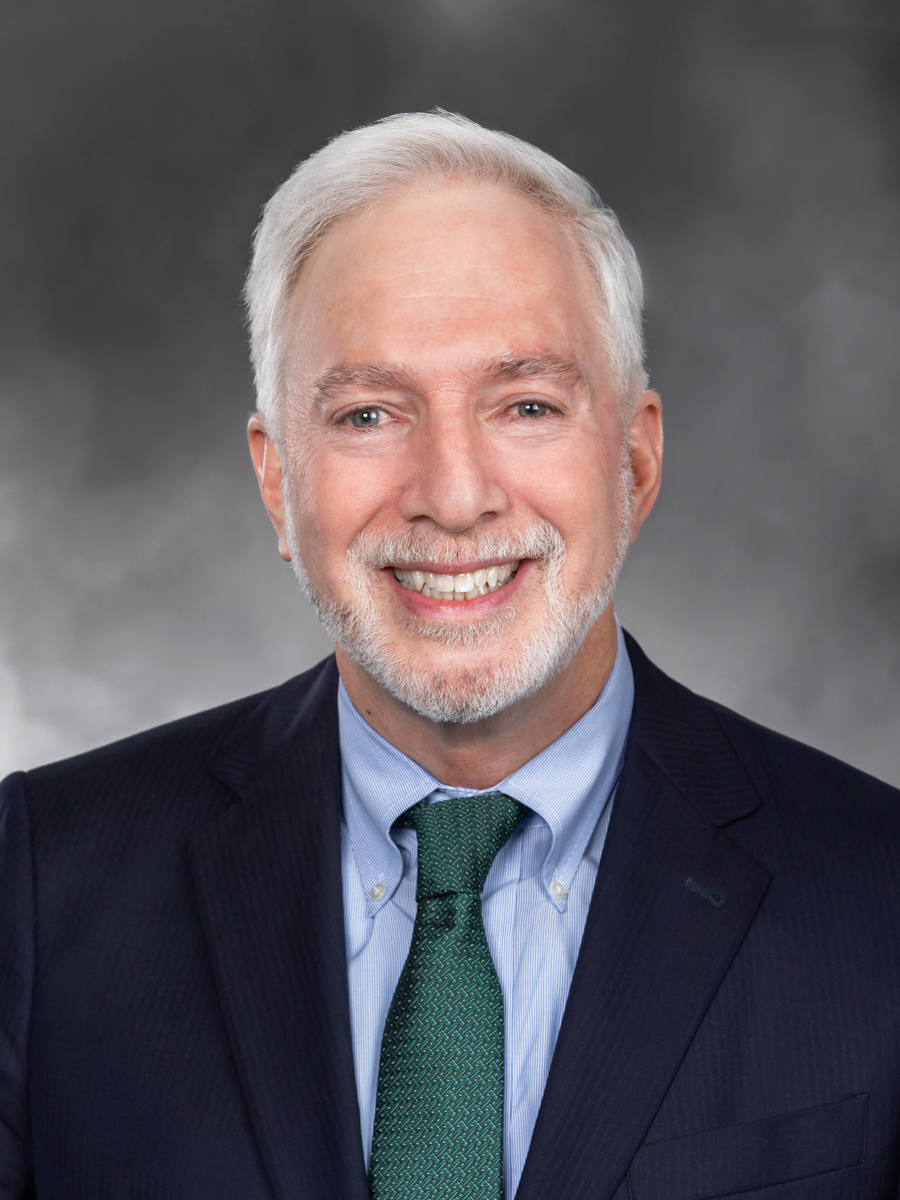
Rep. Gerry Pollet
Sponsored bills
Maddy summaryHB 1274 retroactively removes certain juvenile convictions from sentencing calculations for people incarcerated under sentences imposed before July 23, 2023. It allows eligible individuals - currently incarcerated with a release date on or after July 1, 2026 - to petition for resentencing if they have served specific percentages of their sentence (e.g., 80% by 2026, 60% by 2026, 40% by 2027, or any time after 2028). The bill requires courts to grant resentencing unless the petitioner has serious disciplinary violations, lacks rehabilitation evidence, or poses a high recidivism risk. This applies specifically to those impacted by prior juvenile convictions that were counted in adult sentencing under outdated rules, disproportionately affecting Black, Indigenous, and People of Color.
Maddy summaryHB 1689 requires Washington state to adopt California's existing emission standards for ocean-going vessels while docked at ports, directly affecting ports like Tacoma and Seattle and the surrounding communities disproportionately impacted by diesel pollution. The bill mandates the Department of Ecology to implement these standards, which require ships to use shore power instead of idling engines, reducing diesel particulate matter and greenhouse gases. Compliance would begin no earlier than January 1, 2028, with potential extensions of up to three years. This policy change aims to improve air quality in port communities, aligning with federal clean air act options and state funding for shore power infrastructure.
Maddy summaryHB 1169 expands Washington state law to criminalize the creation, distribution, or possession of AI-generated or digitally altered images depicting minors in sexually explicit conduct - even when the minor is not identifiable. The bill amends definitions to explicitly include AI-generated content under "digitization" and "fabricated depiction," covering any realistic image of a minor engaged in sexual acts, regardless of whether the image shows a real child. It classifies violations as class B felonies, with separate charges for each image created or shared. This directly affects individuals using AI tools to produce such content, aiming to address the challenge of detecting fabricated child sexual abuse material online. The law targets the proliferation of AI-generated images that could desensitize viewers or increase exploitation risks, without requiring the depicted minor to be identifiable.
Maddy summaryHB 1770 clarifies the definition of "vision benefit manager" within Washington state's health care administration rules. It specifies that vision benefit managers - entities managing vision care benefits for health plans - are now explicitly included under the broader definition of "health care benefit manager" in existing law. This affects how vision benefits are administered for employees covered by public employees' and school employees' health benefit programs. The bill adds specific language to define vision benefit managers' roles, such as processing claims and determining coverage for vision services, while excluding certain entities like public benefit boards from this classification.
Maddy summaryHB 1011 creates a state grant program to fund physical school safety improvements like security vestibules, metal detectors, fencing, and lighting for public and tribal schools in Washington. Eligible schools must cover at least 100% of project costs with nonstate funds (reduced to 25% for schools with high poverty rates), and projects cannot exceed $1 million in total cost. Grantees must maintain control of the improved facilities for 10 years and use them solely for safety, with repayment required if they violate these terms. The program requires projects to follow safety-focused design principles and will operate through a competitive application process administered by the state superintendent's office.
Maddy summaryHB 1080 requires hotels and short-term rentals to disclose all mandatory fees, except for government taxes and special district assessments, within their advertised room rates. Before a consumer reserves a stay, the total price presented must include all government taxes and assessment fees. These rules apply to advertising displayed in or from Washington state. Businesses found in violation may face civil penalties up to $10,000 per infraction, with enforcement handled by city, county, or state attorneys.
Maddy summaryHB 1948 requires Washington state port districts managing major airport operations (defined as those with significant capital projects over $8 million) to create environmental justice plans by 2026. These plans must include community engagement strategies, measurable goals to reduce health disparities, and methods to involve overburdened communities in decision-making. For major projects, ports must obtain University of Washington assessments of environmental impacts on vulnerable populations and publicly share mitigation plans. The law mandates accessible community input through language support, childcare, and outreach to ensure equitable participation. It applies specifically to ports with airport-related activities under RCW 53.54.010.
Maddy summaryHB 1428 establishes two state-funded accounts to support criminal justice services: one for counties and one for cities. It mandates annual transfers of $50 million (increasing by 50% starting in 2026) into these accounts, with county funds distributed based on population (20%), crime rate (30%), and criminal cases (50%). Municipal funds are distributed only to cities meeting a 125% statewide crime rate threshold, with 30% allocated to cities exceeding 175% of the average crime rate. The bill prohibits using these funds to replace existing local funding and restricts spending to criminal justice activities like domestic violence services and law enforcement support.
Maddy summaryHB 1908 permanently maintains four state-operated residential facilities for developmentally disabled individuals - Lakeland Village (Spokane), Rainier School (Pierce), Yakima Valley School (Yakima), and Fircrest School (King) - by removing a provision that would have allowed Yakima Valley School to close under certain conditions. The bill repeals the closure trigger for Yakima Valley School and amends state law to ensure these facilities remain open to accept new residents, directly addressing a shortage of affordable care options. It specifically targets underutilized, well-regarded facilities to provide immediate relief to families with no other viable, cost-effective care alternatives. The bill does not create new facilities but expands capacity at existing, operational centers.