

Maddy summaryHB 1462 aims to reduce greenhouse gas emissions by regulating hydrofluorocarbons (HFCs) in Washington state. It prohibits the sale or distribution of new bulk HFCs with a global warming potential (GWP) exceeding 1,500 starting January 1, 2030, and exceeding 750 starting January 1, 2033. The bill encourages the use of reclaimed HFCs and establishes a task force to study the transition to climate-friendly refrigerants and enhance recovery and reclamation. This legislation primarily affects businesses involved in selling, distributing, or using HFCs in equipment such as refrigeration and air conditioning.
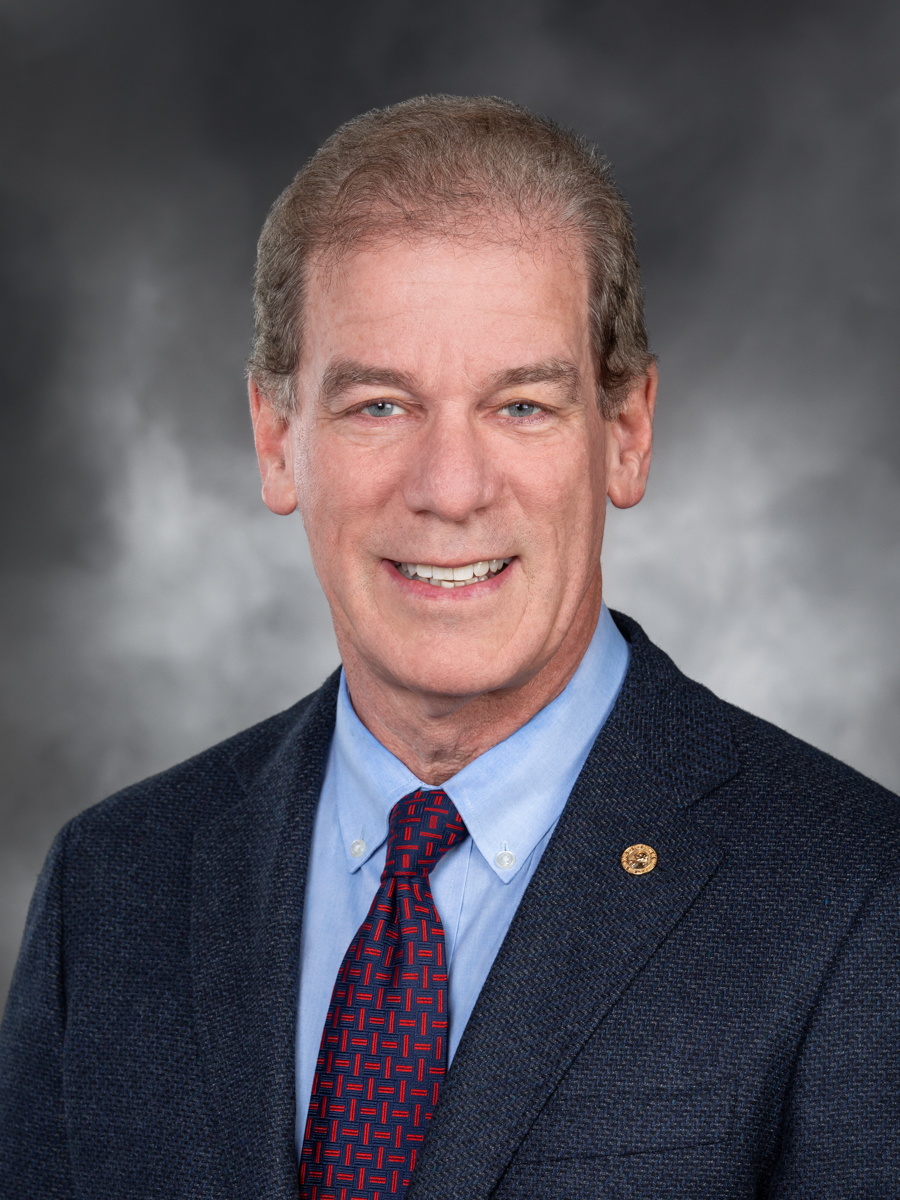
Rep. Roger Goodman
Sponsored bills
Maddy summaryHouse Bill 1102 aims to increase the number of veterans in Washington State who are aware of and receiving federal benefits. It expands the state's Veterans Service Officer (VSO) program, prioritizing funding for counties where a lower percentage of veterans currently receive federal disability or pension compensation. The bill requires the Department of Veterans Affairs to proactively inform recently discharged veterans about available benefits and to provide county-specific service information online. It also mandates biennial reports on veteran service access and requires counties with state-funded VSOs to serve veterans from adjacent counties.
Maddy summaryHB 1440 establishes standardized procedures for civil asset forfeiture, directly affecting property owners whose assets are seized by law enforcement agencies. It requires seizing agencies to provide notice to property owners within 15 days of seizure, detailing their right to contest the forfeiture within specific deadlines (60 or 120 days depending on property type). The bill places the burden of proof on the seizing agency to demonstrate, by a preponderance of the evidence, that the property is subject to forfeiture. It also protects property interests of owners who were unaware of or did not consent to the violation, and ensures that individuals who substantially prevail in a forfeiture proceeding are entitled to reimbursement for reasonable attorneys' fees.
Maddy summaryHouse Bill 1829 establishes a formal process for Washington state courts and law enforcement to recognize and act upon arrest warrants issued by federally recognized tribal courts. It allows tribal courts to file their warrants with county superior courts. If a state superior court reviews the tribal warrant and finds probable cause for a crime, it must issue a corresponding state arrest warrant. The bill also grants federally recognized tribes standing in state court hearings concerning the legality of extradition and updates various legal definitions to include tribal legal processes. This legislation aims to facilitate cooperation between tribal and state justice systems regarding individuals subject to tribal warrants.
Maddy summaryHB 1308 enhances the rights of employees and recent former employees in Washington state to access their own personnel records. It requires most employers to provide copies of personnel files, which explicitly include records like job applications, performance evaluations, and payroll, within 21 calendar days of a request at no cost. The bill also allows employees to petition for the removal of irrelevant information and to add rebuttals to their files. To ensure compliance, it establishes a private cause of action for violations, enabling individuals to sue employers for statutory damages ranging from $250 to $1,000, along with attorney's fees.
Maddy summaryHouse Bill 1052 clarifies the definition of a hate crime offense in Washington state, applying to individuals who commit malicious and intentional acts against others based on perceived protected characteristics. It specifies that assault, property damage, or threats made due to a person's perceived race, religion, gender, sexual orientation, or disability constitute a hate crime. The bill also outlines specific acts, such as burning a cross or defacing property with Nazi symbols, that can be used to infer intent to threaten a victim based on their perceived characteristics. Commission of a hate crime offense is established as a Class C felony.
Maddy summaryHB 1432 aims to improve access to mental health and substance use disorder services for individuals in Washington state. The bill updates mental health parity laws, requiring health insurance carriers to base medical necessity determinations on generally accepted standards of care and recommendations from nonprofit health care provider associations. It defines "medically necessary" to align with these standards, ensuring services address patient needs and are clinically appropriate. The legislation also expands the definition of covered mental health services over time, including prescription drugs and updated diagnostic categories for health plans issued or renewed on or after January 1, 2027.
Maddy summaryHB 1596, titled "Concerning accountability for persons for speeding," requires certain drivers to install an "intelligent speed assistance device" in their vehicles. This applies to individuals with temporary restricted or occupational driver's licenses, those on probation for specific traffic offenses, or by court order. The device uses GPS to limit a vehicle's speed to the posted limit, though it includes a limited override function for up to three uses per month. Drivers are responsible for the costs of installation, maintenance, and a monthly fee, with some exemptions for employer-owned vehicles and indigence. Data collected by these devices is securely maintained and generally not shared without a court order.
Maddy summaryHB 1173 clarifies the wage payment requirements for "skilled journeypersons" working in facilities subject to specific workforce regulations. The bill mandates that these journeypersons must be paid at a rate at least commensurate with typical wages for their occupation in the local geographic area. This includes a minimum hourly rate set at the seventy-fifth percentile of occupational employment statistics for the relevant occupation and area. Additionally, workers in apprenticeable occupations who do not meet the definitions of registered apprentice or skilled journeyperson are to be considered skilled journeypersons for the purpose of their wage entitlement. The act will become effective on January 1, 2026.
Maddy summaryThis bill amends Washington state law concerning mandated reporting of child abuse and neglect. It specifically addresses employees of public and private institutions of higher education. The bill exempts attorneys employed by these institutions, and their supervisees, from the requirement to report child abuse or neglect when the information is gained in the course of providing legal representation to a client. This aims to ensure that attorney-client confidentiality is maintained in higher education settings, particularly in clinical legal programs.