

Maddy summaryHB 2259 requires initiative and referendum proponents to gather at least 1,000 valid signatures from Washington voters *before* filing a measure with the secretary of state, aiming to prevent duplicate filings and ensure minimum public support. It also bans paying signature gatherers based on the number of signatures collected - a practice linked to documented fraud in past measures like 2008’s Initiative 985 and 2012’s Initiative 1185. The bill mandates these changes to protect ballot integrity, citing evidence that per-signature compensation incentivizes forged or duplicate signatures. These provisions apply directly to ballot measure sponsors, circulators, and state offices processing petitions, aligning with similar laws in Oregon and Montana.
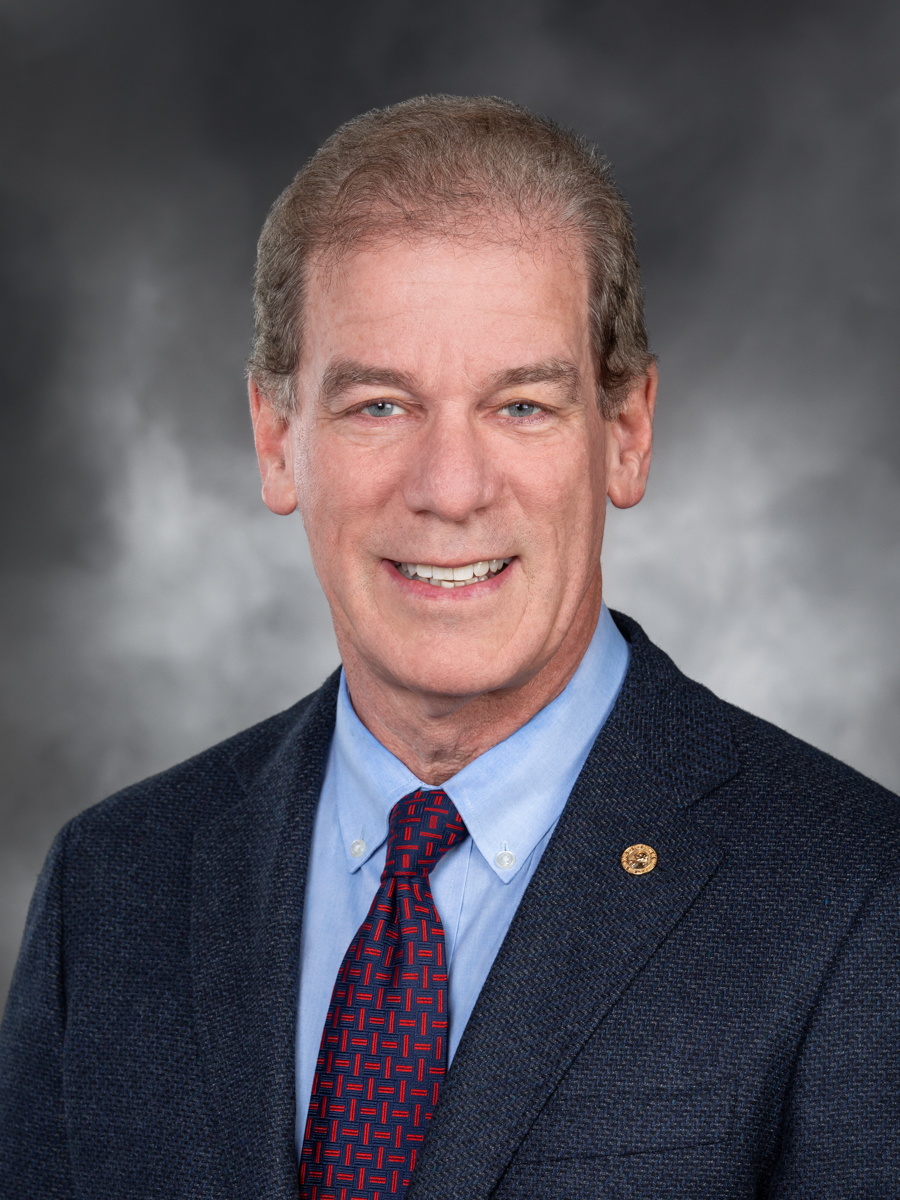
Rep. Roger Goodman
Sponsored bills
Maddy summaryThis bill creates an alternative to prosecution for juveniles charged with unlawful firearm possession (under RCW 9.41.040(2)(a)(v)). It requires juveniles to agree to a 12-month intensive supervision program with a reduced caseload probation officer, including mandatory therapy, mentorship, school attendance, and random consent-based searches for firearms or illegal substances. Participants must comply with conditions like curfews, geographic restrictions, and substance use monitoring, with the charge dismissed if they successfully complete the program. The alternative can be terminated if noncompliance is proven, requiring court hearings to review evidence and circumstances.
Maddy summaryHB 2148 creates Washington's "pay it forward" program to help graduate students cover tuition and fees at public universities. The program provides funding for up to four years of study (or 125% of a program's length), minus any existing state financial aid, for students at University of Washington, Washington State University, regional universities (Western, Central, Eastern), or The Evergreen State College. Participants repay the program after graduation by contributing a percentage of their income (3.5% for regional universities/state college, 5% for state universities) for up to 15 years, with payments tied to the credits taken during their studies. Funding comes from state appropriations, participant contributions, and private donations, held in a dedicated trust fund managed by the Student Achievement Council.
Maddy summaryHB 2560 creates a new state-funded model to support residential pediatric recovery centers that provide nonmedical care for infants born with prenatal substance exposure (e.g., to opioids or methamphetamines) and their families. The bill requires the state to seek federal approval for direct payments to these centers by July 2027 and to provide interim grants using opioid settlement funds until then. It aims to replace lengthy hospital stays in neonatal intensive care units with a family-centered approach that promotes bonding and helps keep infants with parents in recovery. The new funding will cover services like caregiver coaching, bonding activities, and transition planning to support safe home reunification.
Maddy summaryThis is a ceremonial House resolution (not a policy bill) introduced on January 19, 2026, by multiple Washington State Representatives. It formally recognizes Dr. Martin Luther King Jr.'s life, legacy of nonviolent activism, and contributions to civil rights, including his role in the Civil Rights Act of 1964 and Voting Rights Act of 1965. The resolution expresses the House's commitment to upholding Dr. King's ideals of equality, justice, and opportunity for all. As a symbolic gesture, it does not create new laws, allocate funds, or affect any specific individuals or groups.
Maddy summaryHB 2538 requires Washington community and technical colleges to gradually increase part-time faculty pay to 75% of full-time comparable pay by 2028-29, 80% by 2029-30, and 85% by 2030-31 for the same classroom teaching hours. The bill directly affects part-time faculty at these institutions and mandates annual progress reports to the legislature, including data on pay gaps, faculty demographics, and departmental disparities. Colleges must base pay equity on instructional workloads, including class time, preparation, grading, and student support. The law aims to stabilize faculty employment, improve student outcomes, and increase workforce diversity by closing long-standing pay gaps.
Maddy summaryHB 2137 expands the definition of "uniformed personnel" under Washington state law to include correctional officers working in specific facilities (jails in counties over 70,000 population, correctional facilities under RCW 70.48.095, or detention facilities in counties over 1.5 million population). This change directly affects correctional officers in those facilities by granting them eligibility for interest arbitration - a process where unions and employers negotiate terms like wages and working conditions. The bill amends RCW 41.56.030 to add correctional employees to the existing list of personnel covered under "uniformed personnel," which previously included law enforcement officers, firefighters, and security forces. This is a technical policy change to align correctional officer bargaining rights with other public safety roles.
Maddy summaryHB 2493 expands rights and support for survivors of sexual violence, including those affected by female genital mutilation (FGM), in Washington state. It amends statutes to require courts to appoint representatives for defendants representing themselves in sexual assault cases to question victims, and allows minors aged 13+ to consent to forensic exams for strangulation-related domestic violence. The bill also broadens definitions of sexual assault, mandates trauma-sensitive victim services, and guarantees survivors access to medical exams, advocates, and updates on case progress. These changes directly affect survivors, law enforcement, courts, and community sexual assault programs by embedding victim-centered approaches into legal procedures.
Maddy summaryHB 2519 requires Washington utilities (electric, gas, and water providers) to offer phased discounts on rates to public school districts, charter schools under RCW 28A.710, and state-tribal education compact schools. Starting January 1, 2027, discounts begin at 10% and increase incrementally to 60% by 2032, with annual adjustments thereafter. Utilities must recover the lost revenue from these discounts through rates charged to other customers, not through new taxes or direct school funding. The bill aims to reduce operational costs for schools, which face rising utility expenses for electricity, gas, and water.
Maddy summaryWashington State's HJM 4010 is a formal request to the U.S. government to investigate the killing of Aysenur Ezgi Eygi, a University of Washington psychology graduate and Seattle resident. The memorial, addressed to President Trump, the Secretary of State, and the Department of Justice, asks for a "transparent, thorough, and independent investigation" into her death by an Israeli military sniper in the West Bank on September 6, 2024. It specifically cites her peaceful activism, including organizing protests for Palestinian rights and supporting displaced communities, and draws parallels to the unresolved death of another Washingtonian, Rachel Corrie. As a non-binding memorial resolution, it does not create new law but formally urges federal action. The request is directed at U.S. executive and legislative branches to pursue accountability for Eygi's death.