

Maddy summaryThis is a ceremonial House Resolution (not a bill with policy changes), adopted on January 16, 2026. It formally recognizes Washington's joint operating agencies (JOAs) for their role in developing clean energy infrastructure, including renewable sources like solar, wind, and hydroelectric power, as well as new projects like small modular reactors. The resolution highlights JOAs' contributions to reducing greenhouse gas emissions, ensuring affordable energy access, and supporting economic growth in Washington State. It does not create new laws, allocate funds, or impose requirements - its sole purpose is to acknowledge these agencies' historical and ongoing work.
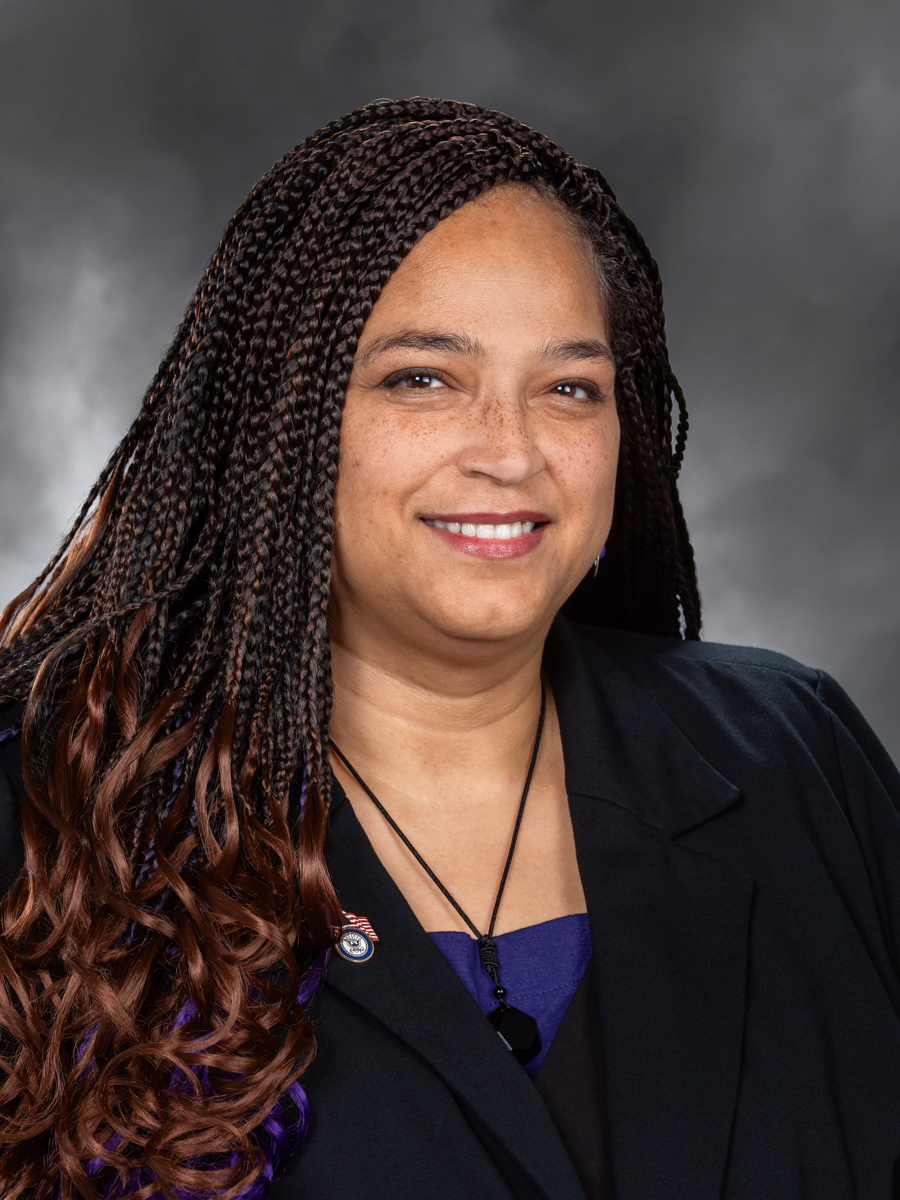
Rep. Brandy Donaghy
Sponsored bills
Maddy summaryHB 2522 requires dental insurance plans to cover preventive services like fluoride treatments, sealants, and oral cancer screenings without age limits or frequency restrictions. It applies directly to dental-only insurance carriers, ensuring patients - especially vulnerable populations - receive essential care without arbitrary coverage barriers. The bill mandates that insurers pay for related services (e.g., oral hygiene instruction) when provided alongside preventive care. This aims to improve early intervention access and align with recognized dental standards, addressing gaps created by federal policy discussions and private sector coverage limitations.
Maddy summaryWashington State's HJM 4010 is a formal request to the U.S. government to investigate the killing of Aysenur Ezgi Eygi, a University of Washington psychology graduate and Seattle resident. The memorial, addressed to President Trump, the Secretary of State, and the Department of Justice, asks for a "transparent, thorough, and independent investigation" into her death by an Israeli military sniper in the West Bank on September 6, 2024. It specifically cites her peaceful activism, including organizing protests for Palestinian rights and supporting displaced communities, and draws parallels to the unresolved death of another Washingtonian, Rachel Corrie. As a non-binding memorial resolution, it does not create new law but formally urges federal action. The request is directed at U.S. executive and legislative branches to pursue accountability for Eygi's death.
Maddy summaryHB 2160 amends eligibility rules for school employees' health benefits in Washington State, requiring employees to work at least 630 hours during their first school year to qualify for benefits in their second year. It also ends the "Smart Health" wellness program for new participants starting January 1, 2028, while allowing employees who met eligibility by December 2027 to receive wellness incentives in 2028. The bill affects school employees and their dependents by setting minimum work-hour thresholds and updating coverage rules for family plans. These changes update existing benefits program criteria under Washington law to standardize eligibility and phase out specific wellness incentives.
Maddy summaryHB 1976 requires retail pet stores selling animals (including exotic pets) or aquatic plants to provide customers with an informational pamphlet from the Washington Invasive Species Council. The pamphlet must cover invasive species threats to native ecosystems, consequences of releasing pets into the wild, rehoming options, proper disposal methods for aquatic plants, and relevant state laws prohibiting invasive species. This bill directly affects retail pet stores regulated under USDA oversight that sell pets or aquatic plants. The law aims to increase public awareness about preventing ecological harm caused by releasing non-native species into natural environments.
Maddy summaryHB 2414 would expand Washington's law enforcement and firefighters' retirement system to include wildland and aviation firefighters employed by the Department of Natural Resources (DNR). The bill explicitly adds DNR as an eligible employer for these firefighters, clarifying that those meeting National Wildfire Coordinating Group qualifications can join the system. This directly affects DNR wildland and aviation firefighters who were previously excluded from the retirement plan. The bill amends existing law (RCW 41.26.030) to define eligibility, without changing benefit calculations or funding mechanisms.
Maddy summaryHB 2328 requires all public school districts in Washington to create and maintain standardized school maps as part of their safe school plans. These maps must be updated annually, include site-specific details for emergency response, and be shared with local and state first responders. The bill directly affects school districts, which must now integrate these maps into their safety planning to ensure compatibility with emergency systems and protect sensitive data. This addresses longstanding issues where outdated or inconsistent mapping hindered emergency coordination, as noted in a 2019 legislative study. The policy aims to improve real-time response during emergencies by providing accurate, accessible facility information to first responders.
Maddy summaryThis bill creates supplemental funding for school districts that have extra costs transporting homeless students (per federal McKinney-Vento law) and foster youth (per federal Every Student Succeeds Act) beyond what's already covered by other funding sources. Districts must report verified excess costs and specific services creating those costs to qualify. Funding covers only the documented excess transportation expenses for eligible students, with awards limited to specific time periods (semester or school year) and not exceeding the state's annual appropriation. Charter schools and tribal education compact schools are explicitly included as eligible recipients.
Maddy summaryHB 2277 requires insurers in Washington to disclose wildfire risk scores and related details to homeowners. Specifically, insurers must provide property owners with their current wildfire risk score, the score range, who created it, when it was generated, and key factors that increased the score - along with actionable steps to improve it - within 15 days of coverage decisions or renewals. The bill also mandates insurers to file wildfire risk models with the insurance commissioner, explain how these models impact premiums, and incorporate property-specific or community wildfire mitigation efforts (like defensible space or forest treatments) into their scoring systems. Homeowners can appeal inaccurate scores, and insurers must respond to appeals within 30 days. This bill directly affects residential property owners in wildfire-prone areas and insurers selling property insurance in Washington.
Maddy summaryHB 1017 designates November 22nd as "Kimchi Day" in Washington State, recognizing the cultural significance of kimchi and aligning with similar observances in South Korea and other U.S. states. The bill amends state law to add "The twenty-second day of November, recognized as kimchi day" to a list of non-holiday cultural observances. It does not create a legal holiday or affect work schedules, as these recognized days are explicitly stated to not qualify as paid or unpaid legal holidays under state law. The measure aims to celebrate kimchi’s heritage, citing its UNESCO-recognized preparation process ("kimjang") and health benefits, but has no direct policy impact on residents or businesses.