

Maddy summaryHB 2447 designates the bluntnose sixgill shark (Hexanchus griseus) as Washington's official state shark. The bill cites the species' unique traits - like having six gill slits instead of five, reaching over 15 feet in length, and being commonly observed in Puget Sound - as reasons for the designation. It states this will promote public awareness of Washington's marine ecosystems and support conservation efforts. The bill is purely ceremonial, with no new regulations or funding, and follows a common practice of designating state symbols.
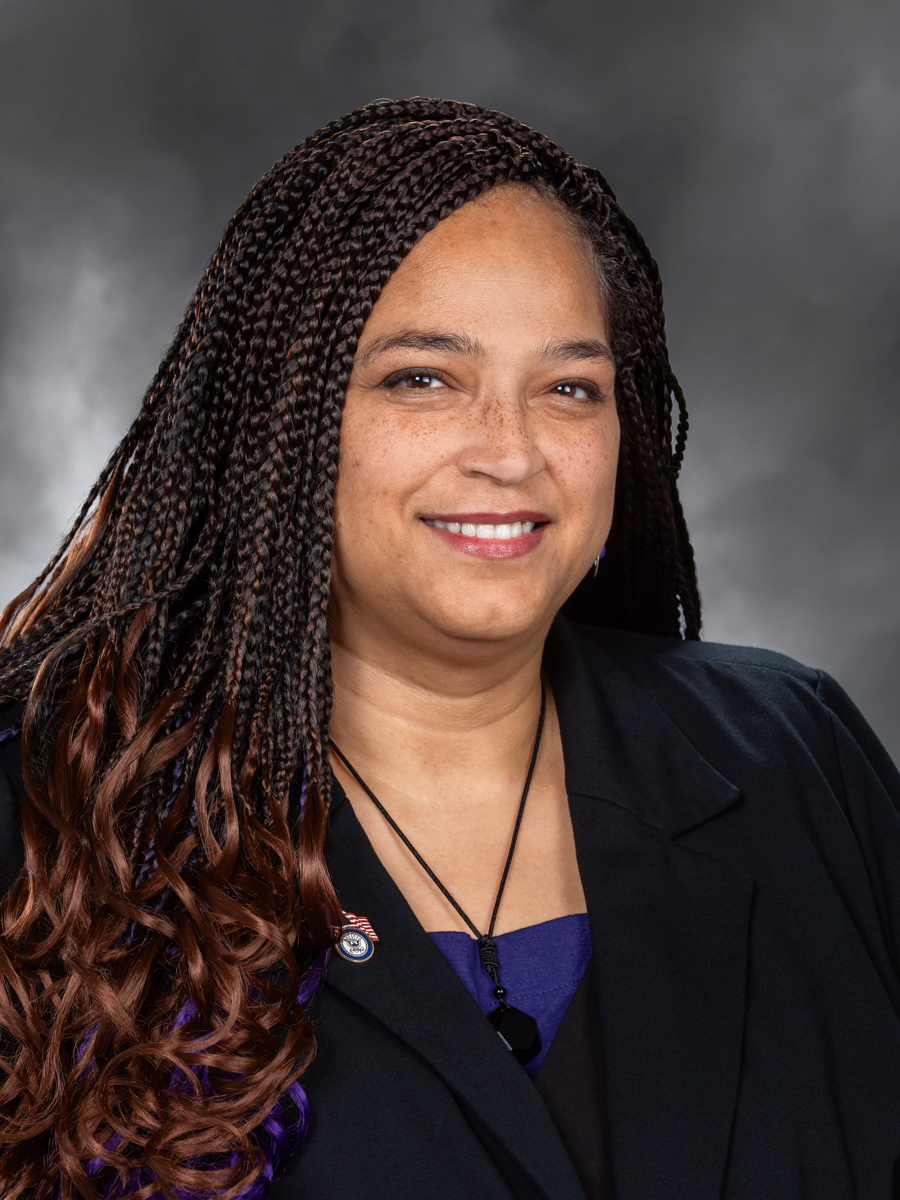
Rep. Brandy Donaghy
Sponsored bills
Maddy summaryHB 2520 allows public agencies in Washington to hold emergency meetings remotely or outside regular locations when necessary for urgent action during declared emergencies. It requires agencies to provide free, real-time public access to these meetings via phone, internet, or broadcast, and to clearly state how the public can participate. The bill also updates rules for special meetings outside county seats for local concerns and joint meetings between counties. These changes ensure emergency meetings remain transparent and accessible while maintaining public accountability under state open-meeting laws.
Maddy summaryHouse Bill 1622 allows public sector employees in Washington state to collectively bargain with their employers over the use of artificial intelligence (AI) in the workplace. The bill amends existing state law to remove the "use of technology" from a list of management rights that are typically not subject to negotiation for employees in higher education and other state agencies. It defines artificial intelligence as machine learning and related technologies that enable computer systems to perform tasks like computer vision or natural language processing. This change empowers unions and public employers to negotiate agreements on the implementation and utilization of AI technologies.
Maddy summaryHB 1932 creates a new "cannabis consumption event organizer license" allowing businesses to host limited, regulated events where adults 21+ can legally consume cannabis products on-site. The bill permits licensed organizers to sell single-use and ready-to-consume cannabis products at events held indoors (with ventilation requirements for smoking/vaping) or outdoors, with strict limits of one event per month (max 3 days) and no alcohol or tobacco sales. It directly affects cannabis businesses seeking to operate consumption events and adult consumers who lack legal options for public consumption outside their homes. The policy requires organizers to hold specific licenses, comply with board rules, and ensure consumption occurs out of public view, following Washington’s existing cannabis regulatory framework.
Maddy summaryHB 2212 requires new commercial and industrial washing machines sold in Washington to include microfiber filters that capture tiny plastic fibers (under 5mm) starting July 1, 2028, with existing machines needing filters by July 1, 2034. It mandates clear labeling on machines and regular filter maintenance to prevent microplastics - released in high numbers per laundry load - from entering waterways. The bill also allows for future residential machine requirements if other states adopt similar rules and costs stay below $70 per unit. Violations face civil penalties up to $10,000 per offense, enforced by the Department of Ecology. This targets a major pollution source linked to health and marine ecosystem risks.
Maddy summaryHB 2419 expands Washington's address confidentiality program to include administrative law judges and staff employed by the Office of Administrative Hearings. It allows these employees, who face safety threats related to their work, to apply for a confidential address through the Secretary of State. The bill requires a sworn statement confirming safety concerns and directs the Department of Licensing to update vehicle registration records using the confidential address, ensuring their personal information remains protected.
Maddy summaryHB 2408 repeals several outdated state statutes related to government operations, including obsolete salary rules (RCW 41.06.155), background checks for child access (RCW 41.06.475), and performance-based awards (RCW 41.06.560). It also amends RCW 41.04.665, which governs state employee leave policies, to update eligibility criteria and administrative procedures. The bill directly affects state government agencies by removing redundant or outdated legal language, streamlining operations without creating new policies. This is a procedural efficiency measure focused on modernizing statutory references, not altering substantive employee benefits or public programs.
Maddy summaryHB 2536 allows Washington wineries to operate restaurants that serve spirits, beer, and wine on their own premises or on adjacent property they own or lease. This bill amends state licensing rules to let domestic wineries hold "spirits, beer, and wine restaurant" licenses at their primary manufacturing sites or authorized additional locations. Previously, wineries could only sell wine at their facilities, but this change permits them to serve all three beverage types in a full-service restaurant setting. The policy directly affects Washington wineries, particularly those with multiple locations seeking to expand on-site dining options.
Maddy summaryHB 2446 requires Washington's Department of Commerce to develop a state quantum technology strategy by June 2027, directly affecting state agencies, research institutions (like public universities and the Pacific Northwest National Laboratory), and businesses in the quantum industry. The strategy must analyze the current quantum sector, identify public-private partnerships, explore workforce development, and outline how to attract federal funding and private investment. It mandates the department to seek non-state funding and contract with Washington-based quantum organizations to support this effort. The bill expires August 1, 2027, and aims to position Washington competitively amid growing national investments in quantum technology.
Maddy summaryHB 2324 creates a mandatory tuition and fee waiver for children of veterans who died or became totally disabled in active federal military service, as well as for their surviving spouses or domestic partners. To qualify, recipients must be Washington domiciliaries aged 17-26 (for children) or Washington residents (for survivors), with survivors having up to 10 years to use benefits. The waiver covers all tuition and fees (including a $500 annual stipend for textbooks), but is limited to 250 quarter credits per recipient and requires satisfactory academic progress. This policy directly affects dependents of veterans meeting specific service criteria, such as combat deployment or service-connected disability, as defined by federal standards.