

Maddy summaryHB 1125 allows judges to modify lengthy prison sentences in Washington state when a person's original sentence no longer serves justice. It directly affects incarcerated individuals who meet specific criteria, such as having served 7+ years for an offense committed as a juvenile (starting July 2026), 10+ years for offenses committed as young adults (starting July 2031), or having a terminal illness. The bill requires petitioners to show rehabilitation or low recidivism risk, and courts may only reduce sentences (not increase them), must maintain mandatory minimums, and mandate a 6-month minimum wait after a hearing before release. The law also requires new sentences to include five years of community supervision.
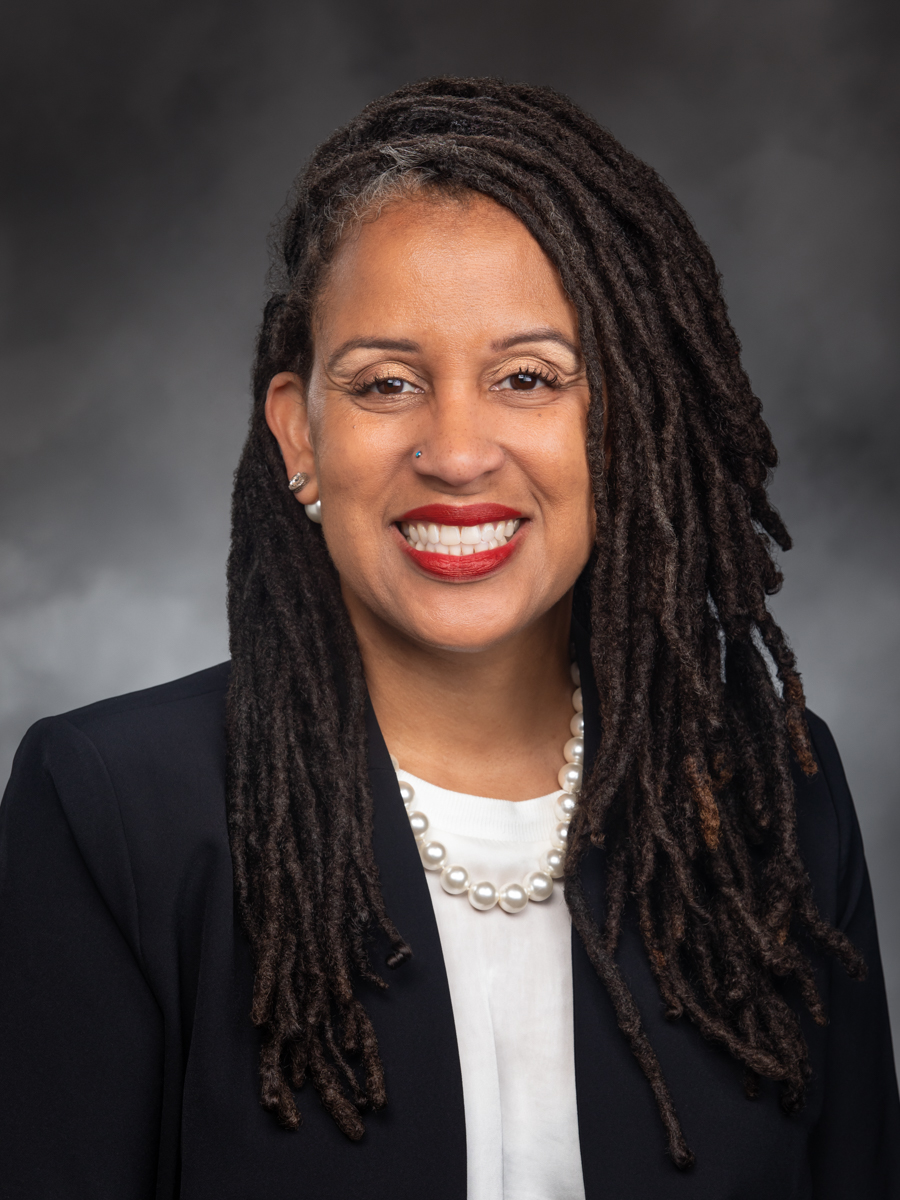
Rep. April Berg
Sponsored bills
Maddy summaryHB 1965 repeals a Washington State tax provision (RCW 82.04.062) that previously excluded sales of precious metal bullion and monetized bullion from certain tax calculations. This change directly affects businesses and individuals buying or selling these items, as their transactions will now be subject to standard sales tax rules. The bill takes effect October 1, 2025, and explicitly states it does not impact existing tax liabilities or ongoing proceedings under the repealed law.
Maddy summaryHB 2024 creates a state property tax exemption for Washington homeowners' primary residences, reducing their state tax burden. It exempts either $100,000 of a home's assessed value or 60% of the county's median home value (whichever is greater), applied after other existing exemptions. This directly benefits primary residence owners - especially fixed-income households and those at risk of displacement - by lowering annual state property tax costs. The exemption applies only to state levies (not local taxes) and requires an annual application by April 1st, with verification to ensure it applies to only one residence.
Maddy summaryHB 1624 directs Washington's Department of Revenue to study the state's current alcohol tax and fee system, focusing on taxes based on sales price, volume, or alcohol content. The study will analyze tax types, historical rates, 25 years of sales and revenue data (by product category), and comparisons with other states and countries on taxation methods. The report must be submitted to the legislature by December 31, 2025, and does not change existing tax policies. This study affects state agencies (Department of Revenue and Liquor Board) responsible for data collection and reporting.
Maddy summaryHB 1412 establishes the Washington State Commission on Middle Eastern and North African Americans to address systemic gaps affecting this community. The commission will focus on improving data collection about MENA populations and advising state agencies and the legislature on policies impacting their needs, such as healthcare access, housing, and education. It requires the governor to appoint 12 diverse members with balanced representation across ethnicities, geography, gender, age, and occupations, serving staggered terms. The commission’s primary duties include developing consistent data collection methods, recommending policy changes, and coordinating community recognition events, while explicitly avoiding overemphasis on religion or international policies.
Maddy summaryHB 1888 would expand the prescriptive authority of licensed naturopathic physicians in Washington State to include controlled substances in Schedules III through V of the Uniform Controlled Substances Act. Currently, Washington naturopaths have limited prescriptive authority for certain controlled substances, but this bill would align their scope with other states by allowing them to prescribe and manage these medications, including for opioid and benzodiazepine treatment. The bill directly affects licensed naturopathic physicians who currently face restrictions compared to practitioners in neighboring states. It amends Washington Revised Code sections to explicitly include these controlled substances within the scope of naturopathic practice, while maintaining oversight by the Board of Naturopathy. This change aims to address primary care shortages and improve patient access to comprehensive care, particularly in underserved areas.
Maddy summaryHB 1593 creates a permanent Children's Social Equity Land Trust that uses revenue from sustainably managed state forest lands to fund child care programs. The trust acquires forested lands at fair market value (prioritizing lands at risk of non-forest conversion) and manages them for commercial forestry revenue, with all net income deposited into a dedicated child care trust account. This revenue will fund grants specifically targeting child care deserts and overburdened communities - areas with high need for affordable child care, particularly impacting low-income families and communities of color. The bill directly affects working parents and child care providers in these underserved areas by providing new funding streams for child care access.
Maddy summaryHB 1430 requires health carriers in Washington state to reimburse advanced practice registered nurses and physician assistants at the same rate as physicians for providing identical health care services. This mandate applies to health plans issued or renewed starting January 1, 2026, excluding those offered to public employees. Health carriers are prohibited from decreasing physician reimbursement rates to meet this requirement. The Office of the Insurance Commissioner will collect data on the implementation, including rate changes and costs, and report to the legislature by July 1, 2027. This section does not apply to advanced practice registered nurses or physician assistants who are employees of a health maintenance organization.
Maddy summaryHB 1388 establishes a mobile market program in Washington to expand access to fresh, healthy food for low-income households participating in the Women, Infants, and Children (WIC) and senior farmers market nutrition programs. The bill allows nonprofit mobile markets - operating in areas without farmers markets - to accept these nutrition benefits, directly supporting rural and food desert communities. Key provisions require mobile markets to be nonprofit, serve underserved areas, and obtain USDA approval via waiver to accept benefits. This policy change modernizes existing federal nutrition programs by extending access to mobile food services, benefiting both participants and local farmers.
Maddy summaryHB 1090 requires health benefit plans in Washington State (effective January 1, 2026) to cover a 12-month supply of contraceptive drugs at one time, rather than requiring multiple refills. This directly affects health insurers and enrollees, mandating that plans provide this coverage unless an enrollee or provider requests a smaller supply. Key provisions include allowing on-site dispensing at providers' offices (when available) and requiring plans to follow clinical guidelines for appropriate prescribing. The bill defines "contraceptive drugs" to include all FDA-approved pregnancy prevention medications, such as oral, transdermal, and intravaginal hormonal drugs.