

Maddy summaryHouse Bill 2040 amends the state's aged, blind, or disabled assistance program, which provides financial grants to eligible individuals. The bill clarifies the definitions of "aged," "blind," and "disabled" for program eligibility and outlines specific reasons for ineligibility, such as being primarily incapacitated by a substance use disorder. Most significantly, it changes the policy regarding the recovery of state benefits when a recipient also receives federal Supplemental Security Income (SSI) for the same period. Effective October 1, 2028, state cash assistance that duplicates federal SSI payments will no longer be considered a debt owed to the state and will not be subject to recovery.
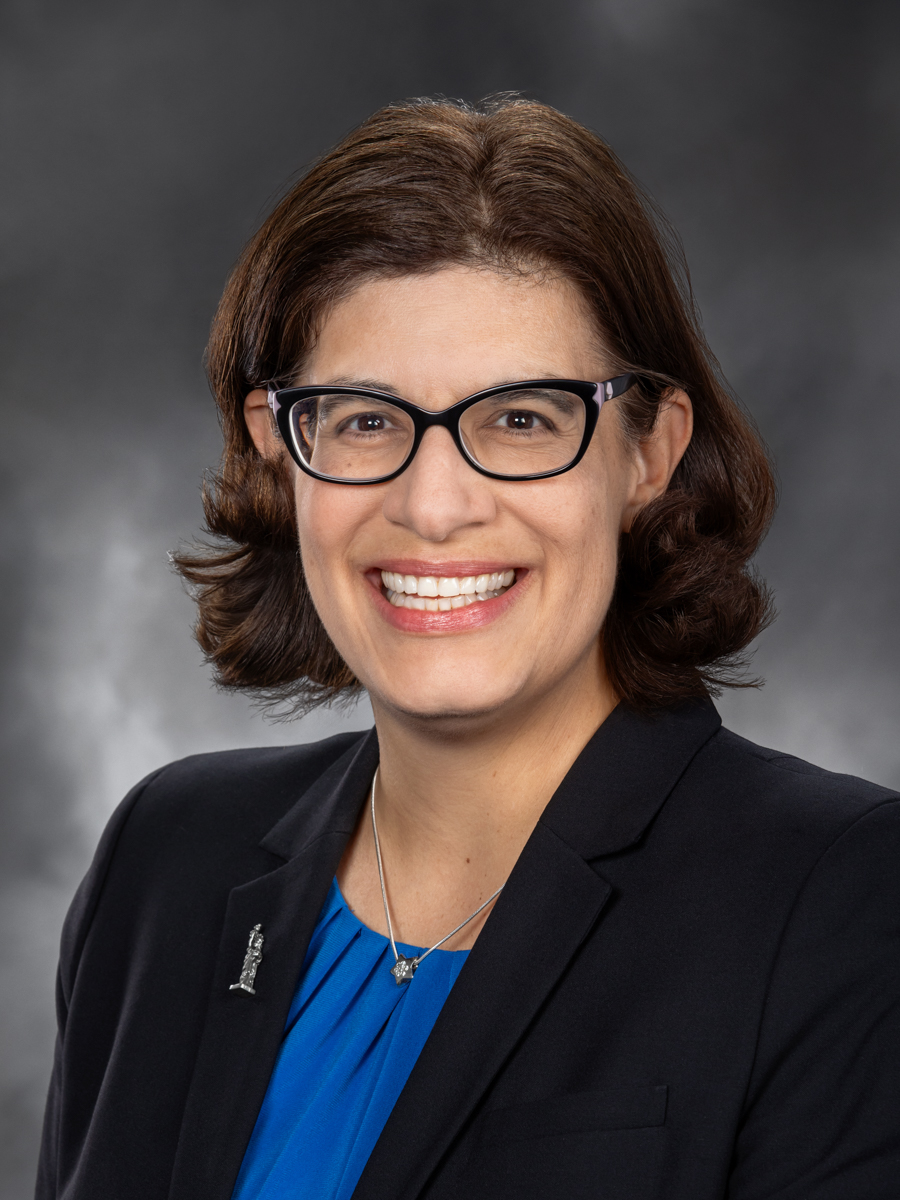
Rep. Nicole Macri
Sponsored bills
Maddy summaryHB 2049 aims to enhance funding for K-12 education and communities by modifying state and local property tax authority and adjusting the school funding formula. The bill revises the maximum dollar amount school districts can levy for enrichment, setting it as the lesser of $2.50 per $1,000 of assessed value or a per-pupil limit. This per-pupil limit is updated with specific "inflation enhancements" through 2030 and establishes a new base amount starting in 2031, impacting funding based on student enrollment. Additionally, it adjusts how the state provides local effort assistance funding to supplement these school district enrichment levies.
Maddy summaryHB 1468 repeals numerous existing state accounts across various sectors, such as the Juvenile Accountability Incentive Account and the Washington State Flag Account. Simultaneously, it establishes an annual eight-dollar surcharge on licenses for registered nurses and licensed practical nurses. These surcharge funds will be deposited into a new Nursing Resource Center Account. This account will provide grants to a central nursing resource center. The center's mission is to strengthen Washington's nursing workforce through activities like data collection, trend monitoring, and promoting nursing careers to ensure adequate healthcare staffing.
Maddy summaryHB 2051 concerns payments made to acute care hospitals for Medicaid patients who are medically ready for discharge but cannot easily be moved to another care setting. The bill directly affects these hospitals and the Medicaid patients requiring extended care. It reenacts and amends RCW 74.09.520 to establish or modify the payment structure for the care of these specific patients. This aims to address the challenges hospitals face when patients are difficult to discharge.
Maddy summaryHB 2047 phases out the Washington employee ownership program. It shortens the period during which businesses can earn tax credits for converting to worker-owned cooperatives, employee ownership trusts, or employee stock ownership plans, moving the deadline for earning credits from June 30, 2029, to June 30, 2025. The bill also makes the program's activities, such as providing technical support and referrals, contingent upon specific funding appropriations. The tax credit provisions are set to expire earlier, effectively eliminating these incentives for businesses.
Maddy summarySubstitute House Bill 1811 aims to enhance crisis response services in Washington state by integrating and supporting "co-response" teams. The bill formalizes co-response as a multidisciplinary partnership between first responders (like law enforcement and EMTs) and human services professionals (such as social workers and behavioral health clinicians). These teams respond to emergency situations, including 911 and 988 calls, involving behavioral health crises and complex medical needs. The goal is to de-escalate situations, divert individuals from the criminal justice system, and provide immediate medical and behavioral health care in the field, benefiting vulnerable populations.
Maddy summaryHB 1498 establishes a grant program to help cities and counties create and operate domestic violence co-responder programs. These programs deploy domestic violence victim advocates alongside law enforcement to provide on-scene support, resources, and care navigation for victims and their families. The bill creates a dedicated state treasury account, funded primarily by an additional $100 fee on marriage licenses, to support this initiative. The Office of Crime Victims Advocacy will administer these grants, also providing technical assistance and support for billing health insurance for services.
Maddy summaryHouse Bill 1515 modernizes the regulation of alcohol service in public spaces for liquor licensees and local governments in Washington state. Until December 31, 2026, it allows local governments to request expanded outdoor alcohol service for certain licensees, offering flexibility for outdoor area enclosures and the ability for multiple businesses to share these spaces. Additionally, until December 31, 2027, the bill authorizes expanded indoor and outdoor alcohol service in designated fan zones or host cities during specific events. This enables multiple licensees to operate within a shared, approved event area, provided local governments ensure public safety and cleanliness. The bill aims to facilitate safe event experiences, particularly in preparation for a major international sports event in 2026.
Maddy summaryHB 1837 establishes specific improvement priorities for the Amtrak Cascades intercity passenger rail service, aiming to enhance the state's transportation system. It mandates the Washington State Department of Transportation to work towards target goals by 2035, including increasing on-time performance to 88% and boosting daily round trips between Seattle, Portland, and Vancouver, British Columbia. The department must also improve multimodal connections at stations and reduce greenhouse gas emissions. Furthermore, the bill requires the department to report annually on its progress and directs the Joint Transportation Committee to conduct an independent review of the Amtrak Cascades service development plan.
Maddy summaryHB 1483, also known as the "right to repair" bill, requires manufacturers of certain digital electronic products to make parts, tools, and repair documentation available to independent repair providers and product owners. This applies to consumer electronics like computers, cell phones, and appliances, aiming to increase access to affordable repair options for Washington residents. Manufacturers must offer these resources on fair and reasonable terms, with documentation and digital tools generally provided free of charge. The bill supports a competitive repair market and seeks to extend the useful life of products for consumers across the state. This legislation will become effective on July 27, 2025.