

Maddy summaryThis bill requires all cities and towns in Washington to allow child care centers (including converting existing buildings) as an outright permitted use in every zoning area except industrial zones, without needing special approval. It permits local governments to impose minor restrictions on permits, such as designated pickup/drop-off areas. Cities required to update comprehensive plans in 2027 must incorporate these rules by then, while all other cities must implement them within two years of the law taking effect. The policy directly affects child care providers seeking locations and local governments managing zoning regulations.
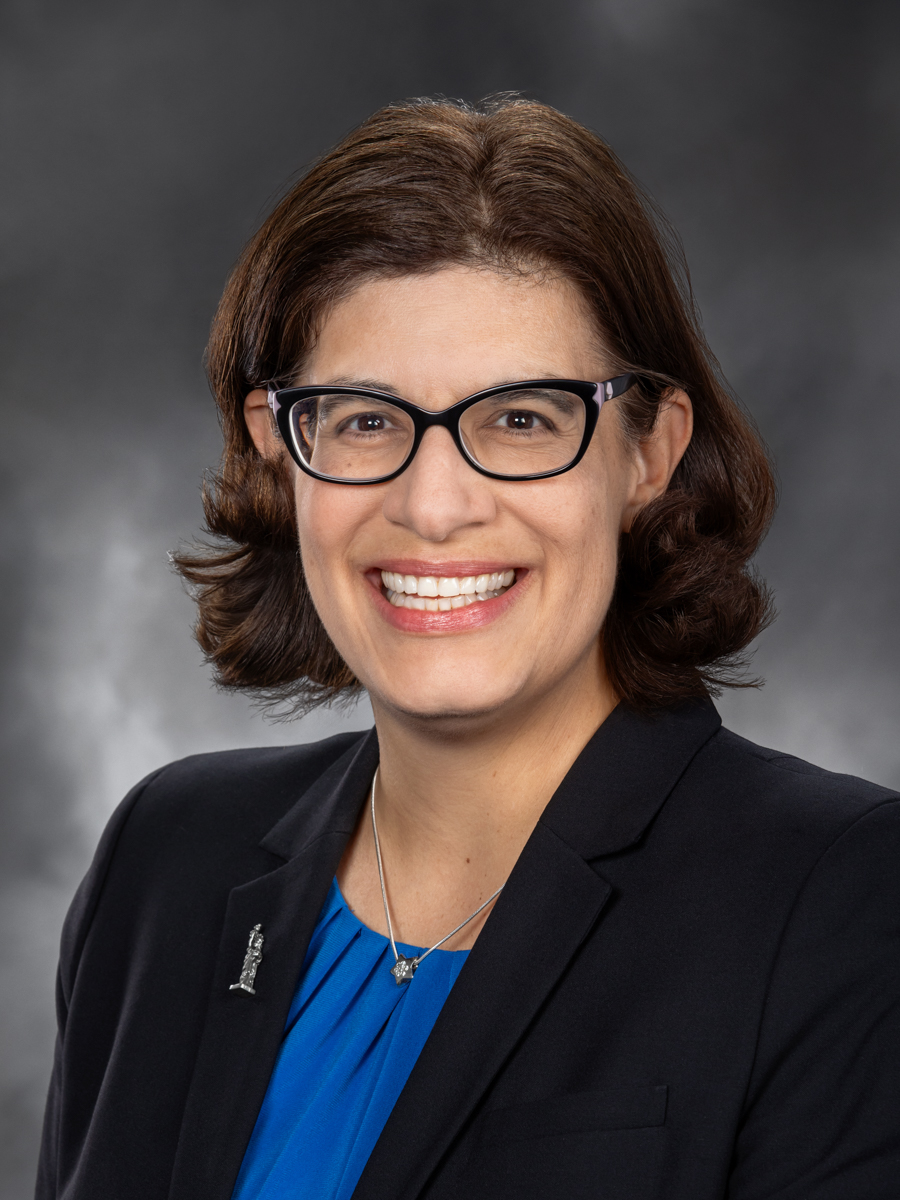
Rep. Nicole Macri
Sponsored bills
Maddy summaryHB 1517 imposes a $2 tax on the retail sale of smart wireless devices (like smartphones, tablets, and laptops) priced over $250. The revenue collected will fund Washington's digital equity programs, specifically targeting underserved communities. This includes improving internet access, providing devices, and offering digital skills training for rural residents, seniors, veterans, low-income households, and others facing connectivity barriers. The tax applies to sellers who collect it from buyers at the point of sale, with funds deposited into a dedicated state digital equity account. The bill aims to address systemic gaps in digital access identified through legislative findings.
Maddy summaryHB 1502 establishes a new "behavioral health teaching clinic" designation for licensed or certified behavioral health agencies that train interns and new graduates in mental health and substance use care. To qualify, agencies must meet specific standards, including providing clinical supervision, equitable access to services, and formal partnerships with educational institutions. Designated clinics will receive an enhanced reimbursement rate to offset the costs of training (currently unpaid), helping them retain staff and address workforce shortages. This policy directly affects community behavioral health agencies serving Medicaid patients, which face high turnover due to low reimbursement rates and competition from other healthcare settings.
Maddy summaryHB 1425 requires Washington health insurance plans (including Medicaid) to cover genetic testing that helps match patients with effective mental health medications, starting January 1, 2026. Insurers cannot require prior authorization or force patients to try ineffective medications first. Coverage must include tests approved by the FDA or supported by clinical guidelines and research evidence. This applies specifically to psychotropic medications prescribed for conditions like depression, aiming to reduce the trial-and-error process that leaves many patients without relief.
Maddy summaryHB 2045 creates a new 1% tax on businesses with over $250 million in annual revenue in Washington starting January 2026, targeting large corporations. It also increases the tax rate for financial institutions from 1.2% to 1.9% after July 2025. The bill exempts manufacturers, farmers, and certain income types from the new tax. These changes aim to fund K-12 education, public safety, health care, and basic needs programs, as stated in the legislative findings.
Maddy summaryHB 1555 changes how Washington state pays nursing homes for services starting July 1, 2025. It replaces the current system with a new three-part payment structure: direct care (covering staffing and therapy), indirect care (administrative and maintenance costs), and capital (facility costs). Payment rates will be adjusted annually based on the most recent cost data, with specific caps limiting how much rates can increase compared to previous years (e.g., a 142% cap for 2025). The bill directly affects nursing home providers receiving state Medicaid payments across Washington, aiming to better align payments with actual operating costs while maintaining minimum staffing standards.
Maddy summaryHB 1197 is a supplemental appropriations bill funding state court operations and specific programs for the 2023-2025 fiscal biennium. It allocates funds primarily to state courts (e.g., $28.6 million for the Court of Appeals in FY 2025) and counties for juvenile justice services ($7 million annually for truancy and youth case management), court security in rural areas ($1 million), and an equity dashboard program ($1.35 million for data collection on justice disparities). The bill directs specific funding streams for court-appointed attorneys, lactation spaces in courthouses, and opioid settlement fund uses. These appropriations directly affect state courts, county juvenile programs, and local court facilities across Washington.
Maddy summaryHB 1306 creates two pathways for international medical graduates (IMGs) to obtain full medical licenses in Washington without completing standard U.S. postgraduate training. The primary pathway requires 48 months of supervised clinical practice under a licensed physician, followed by assessments and documentation to demonstrate competence. A hardship pathway also allows waivers for specific situations like refugee status or persecution, though it excludes failures in standard exams. The bill directly affects IMGs seeking to practice in Washington, modifying existing licensing rules to accommodate their credentials. It does not change requirements for U.S.-trained physicians but provides alternative routes for qualified IMGs.
Maddy summaryHB 1204 requires manufactured home park landlords to include specific written disclosures in rental agreements for all tenants, including clear closure notices in bold text and historical rent data. It directly affects seniors aged 55+ by prohibiting park rules that block them from having roommates in shared housing arrangements - such as exchanges of services for room and board - while banning entrance/exit fees. The bill also restricts rent increases during closure periods to no more than 1% above the U.S. consumer price index and prohibits fees for guest parking or towing without prior notice. These changes aim to increase housing stability and affordability for seniors in manufactured home communities by standardizing tenant protections.
Maddy summaryHB 1808 creates a state-funded revolving loan program to support permanently affordable homeownership for low-income households. The program provides loans (up to 50% of project costs) to nonprofit developers building housing that remains affordable for at least 99 years through long-term restrictions on resale and ownership. Loans carry interest rates between 1% and 2.5%, with repayments recycled into the fund to finance new projects. This directly affects low-income homebuyers (defined as households earning ≤80% of local median income) and nonprofit developers who build housing meeting specific affordability standards.