

Maddy summaryHB 2724 proposes a new tax on Washington residents with annual adjusted gross income of $1 million or more, affecting approximately the top 0.5% of households. The tax revenue would be deposited into the state general fund to support K-12 education, health care, higher education, human services, and the working families' tax credit. Key provisions include exempting sales of family-owned small businesses and real property from the tax, aligning the state definition of taxable income with federal rules (modified for state purposes), and reducing other taxes like sales tax on essential items. The bill aims to make the state tax system less regressive by shifting more burden to high earners while maintaining current tax rates for lower-income residents.
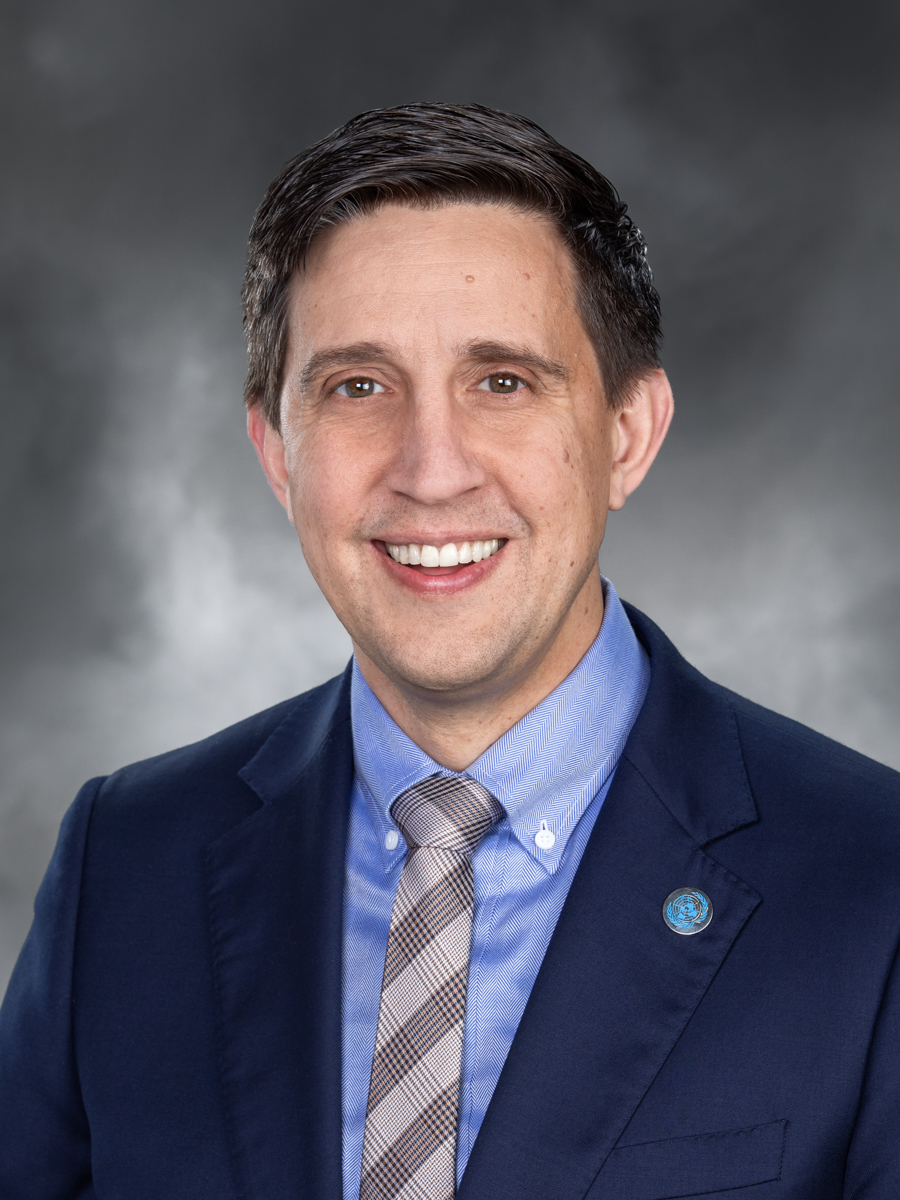
Rep. Alex Ramel
Sponsored bills
Maddy summaryHB 2723 modifies Washington State's tax code by eliminating outdated tax exemptions, specifically targeting 786 existing exemptions that the legislature states have not been updated for a long time and were secured through private interests. The bill directly affects businesses currently benefiting from tax exemptions on machinery and equipment used in manufacturing, testing, or research operations, including gas distribution businesses that will lose their exemption for natural gas production equipment after July 1, 2027. Key provisions include amending tax codes to restrict exemptions for machinery/equipment to specific qualifying uses, requiring documentation for claims, and ending remittance programs for gas businesses starting in 2027. The goal is to increase revenue for the state general fund to support essential services by modernizing the tax code.
Maddy summaryHB 2528 standardizes how cities and counties under Washington’s Growth Management Act can impose a 0.25% real estate sales tax to fund capital projects. It requires tax revenue to be used exclusively for specific infrastructure like roads, parks, airports, and affordable housing projects, with limits on how much can fund homelessness housing (capped at 25% of funds or $100,000, whichever is greater). Cities must identify these projects in their budget and may need voter approval for new taxes, while ensuring funds align with comprehensive planning requirements. The bill updates existing law to create uniform rules across jurisdictions, replacing inconsistent local approaches.
Maddy summaryHB 2257 is a technical correction bill that updates Washington State's tax code to improve clarity and administrative efficiency for the Department of Revenue. It amends multiple tax statutes (including definitions for "tobacco product," "vapor product," and "retail sale") to resolve ambiguities and streamline tax administration without changing tax rates or creating new revenue impacts. The bill directly affects businesses and individuals interacting with Washington's tax system, particularly those handling retail sales, tobacco products, or cannabis-related transactions. It focuses on fixing outdated language and ensuring consistent application of existing tax laws.
Maddy summaryHB 2489 establishes statewide rules preventing local governments from penalizing people for basic life-sustaining activities (like sleeping or eating in public) when no adequate shelter is available. It requires cities to prove shelter space existed before enforcing public space laws, and invalidates citations or prosecutions that violate this rule. The bill protects individuals experiencing homelessness from punishment for necessary activities while ensuring enforcement actions are limited to immediate safety risks. It does not create a right to shelter, but mandates cities to document shelter availability and coordinate with service providers to address homelessness.
Maddy summaryHB 2555 requires Washington's Health Care Authority to apply for a federal waiver by July 1, 2026, to expand Medicaid coverage for "traditional health care practices" delivered through specific providers. These practices include culturally rooted care methods used by American Indian and Alaska Native communities. Coverage would be available only to Medicaid beneficiaries receiving services at Indian Health Service facilities, tribally operated facilities under federal law, or urban Indian organizations. The bill does not change existing Medicaid eligibility but mandates a federal waiver process to include these services under state Medicaid plans.
Maddy summaryHB 2598 establishes a Salmon Advisory Commission to improve coordination between Washington state agencies and tribal governments on salmon recovery efforts. The commission will identify gaps in recovery work, review monitoring data, and recommend actions to the governor and legislature. This bill amends existing salmon recovery laws to require state agencies to collaborate through this new body, without reallocating current programs or responsibilities. It directly affects state fish and wildlife agencies, tribal co-managers, and organizations implementing salmon habitat restoration projects.
Maddy summaryHB 2369 creates a Washington local food for schools program under the Superintendent of Public Instruction to help public school food authorities (like school districts) buy more locally grown food for school meals. The program establishes a catalog of Washington-grown, unprocessed foods and coordinates ordering through existing federal food systems to reduce administrative work for schools. It requires voluntary participation by schools in the national school lunch program, applies geographic preferences for local products where federal rules allow, and mandates collaboration between education, agriculture, and university departments to improve procurement and distribution. The bill directly affects school districts, Washington farmers, and state agencies by streamlining access to local food sources while aligning with federal nutrition requirements.
Maddy summaryHB 2572 requires county auditors to hold annual meetings with Washington Indian tribes to plan voting centers and ballot drop boxes on reservations, with specific deadlines for discussions (August 1 and September 1 in odd-numbered years). It creates an electronic ballot return system for military, overseas, disabled voters, and tribal members residing on reservations, mandating secure online submission with annual portal approval and strict security standards. The bill also establishes a work group to advise on the system's implementation, with all provisions needing full adoption by January 1, 2029. This directly affects tribal governments, county election offices, and the specified voter groups by improving access to voting services.
Maddy summaryHB 2537 provides free emissions allowances (credits) to specific manufacturing facilities classified as "emissions-intensive and trade-exposed" under Washington’s Climate Commitment Act. It directly affects 13 manufacturing sectors, including metals, paper, aerospace, cement, and petroleum refining, as defined by North American Industry Classification System (NAICS) codes. The bill establishes that qualifying facilities receive allowances based on historical emissions intensity or a mass-based production baseline, with the percentage of free allowances gradually decreasing from 100% (2023-2026) to 94% (2031-2034). This policy modifies how emissions credits are distributed to these facilities during compliance periods, without altering overall emissions caps.